Aceh’s oil and gas regulator has begun production-sharing agreements for three community oil wells, a small but politically significant move that could help Indonesia lift output while channeling more energy income back to local businesses and workers.
Aceh signs production agreements for three oil wells
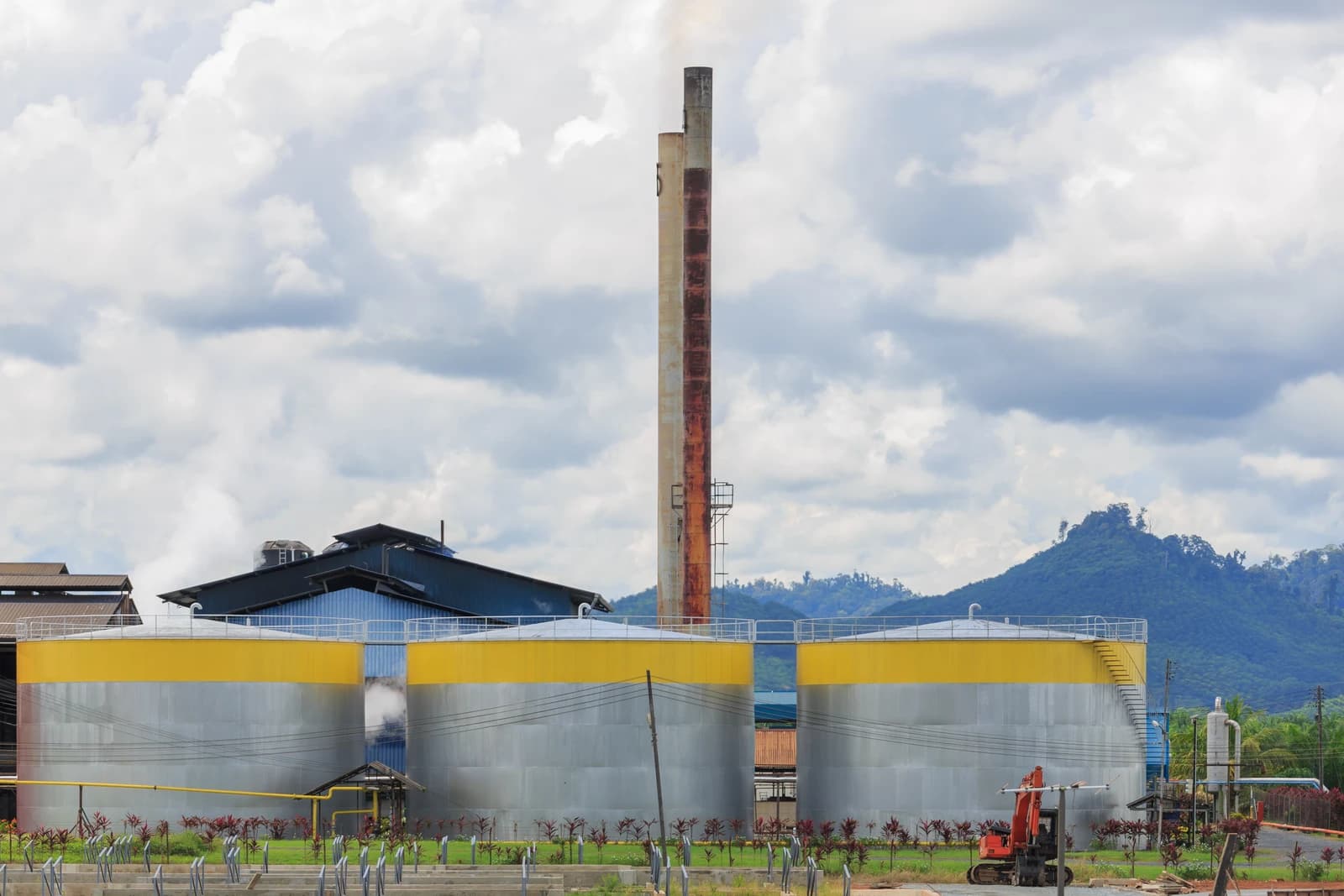
The Badan Pengelola Migas Aceh, or BPMA, said it signed the production cooperation agreements with local regional firms, cooperatives and micro, small and medium-sized enterprises tied to contractors in Aceh’s oil working areas. The wells are in the Aceh Timur and Aceh Utara blocks, part of a broader effort to legalize and commercialize community wells that have long existed outside the formal upstream system.
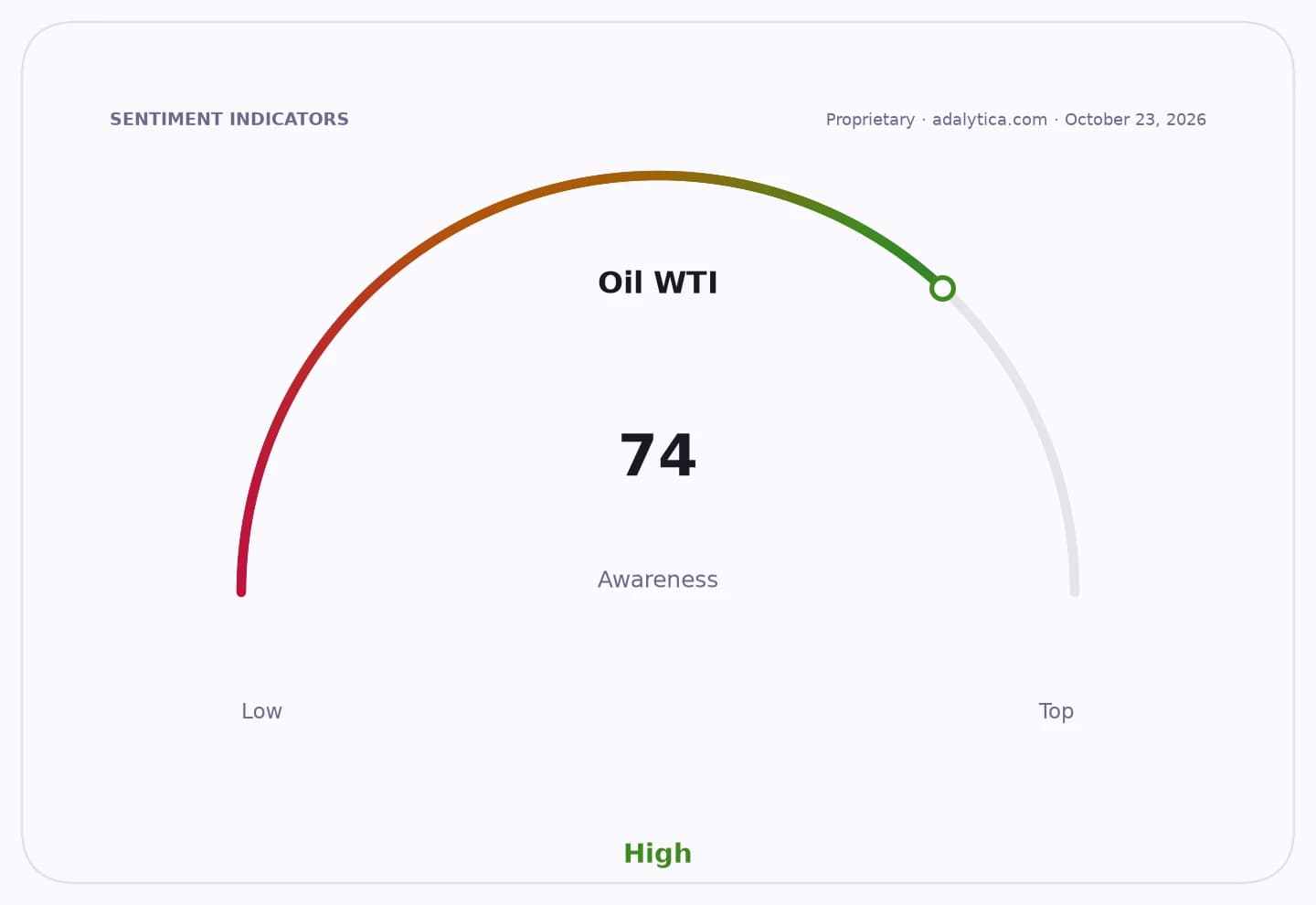
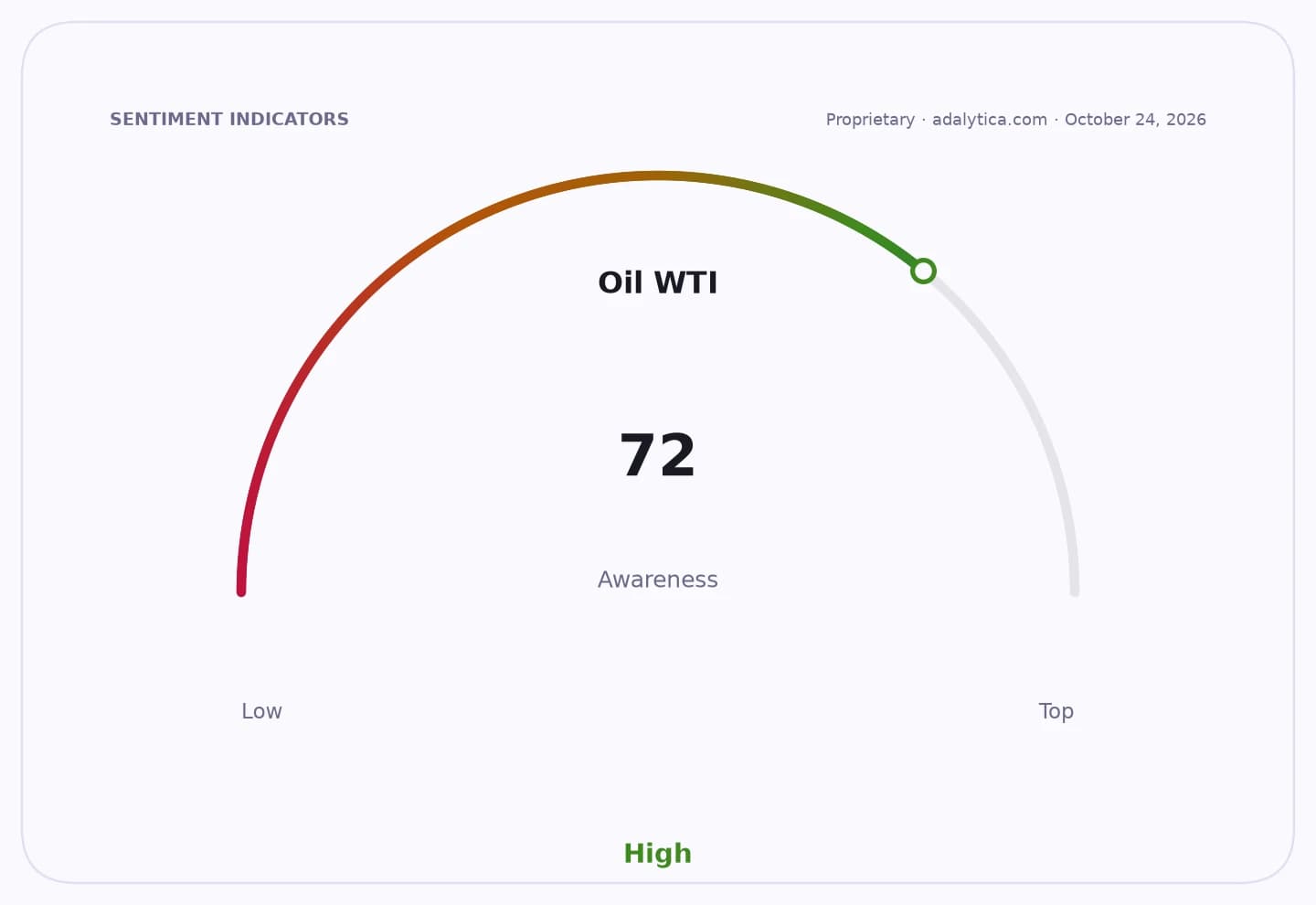
Sentiment IndicatorsⓘProprietary · adalytica.com · October 24, 2026
This is a snapshot — live sentiment, awareness and momentum for 130+ markets update continuously in the dashboard.Open AlphaPulse
BPMA head Mawardi Nur said the agreements mark the start of a more important phase: getting production to run safely, professionally and in compliance with environmental and safety rules. He said the agency will keep coordinating with contractors and other stakeholders to ensure the wells are not only legal but productive and sustainable, while prioritizing local labor to maximize benefits for surrounding communities.
The push matters because Indonesia has been trying to reverse years of declining oil output and reduce reliance on imports. Even incremental barrels from Aceh matter in a country where upstream growth has been constrained by aging fields, slow project execution and price volatility, while the government under Energy Minister Bahlil Lahadalia has pressed for higher lifting from existing assets.
For investors, the development is less about immediate oil price impact than about execution risk, regulatory clarity and the pace of upstream reform. Community wells can provide a template for bringing informal production into the formal system, but the economics will depend on whether BPMA, SKK Migas and the contractors can keep the projects compliant, efficient and free of safety or environmental setbacks.
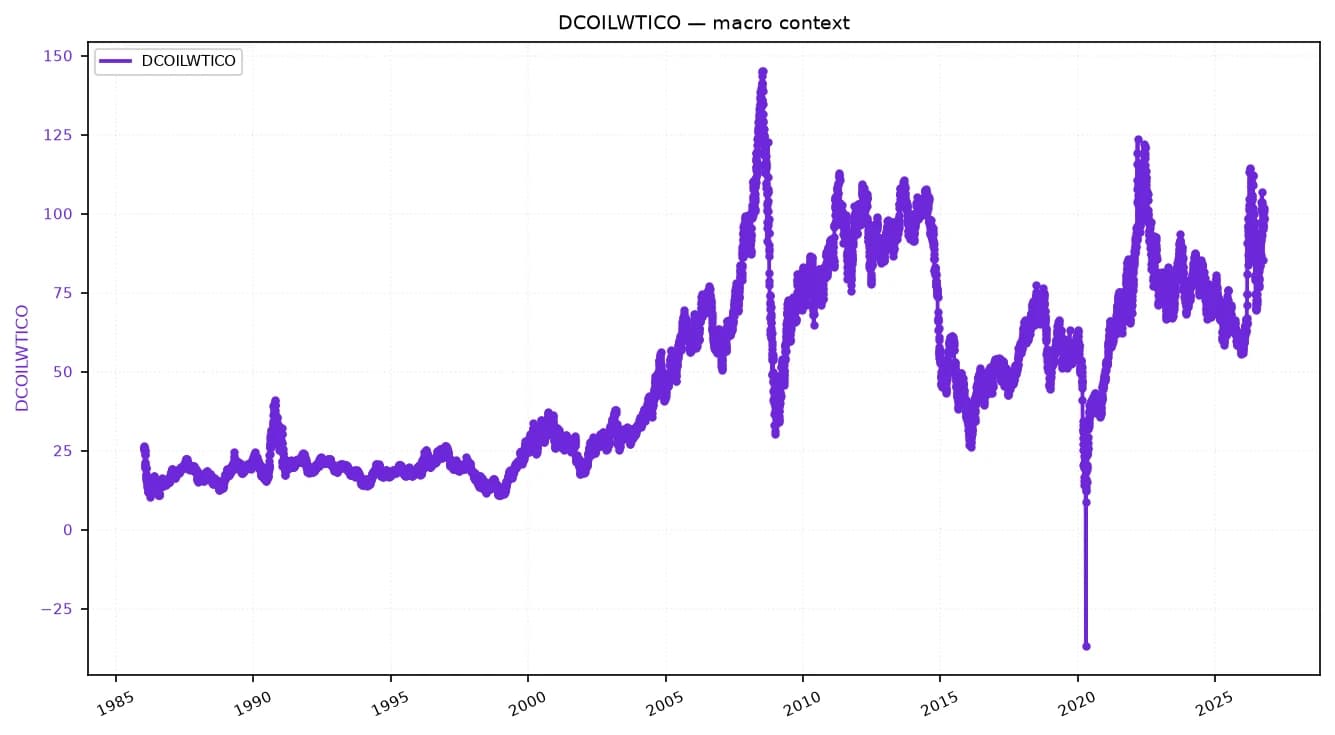
Oil prices remain elevated by historical standards, with front-month WTI trading above $103 on Friday and major producers Exxon Mobil and Chevron both near record territory, underscoring how supply tightness still rewards incremental production. In that backdrop, Aceh’s move fits a wider global pattern of governments trying to squeeze more barrels from domestic basins rather than wait for new large-scale developments.
BPMA said the three agreements are only an initial milestone and that faster, more coordinated work is needed to turn Aceh’s resource base into a reliable contributor to national supply. The next test is whether the wells can move from paperwork to steady output without undermining safety, legal compliance or local support.
| Entity | Gains | Losses |
|---|---|---|
| BPMA and Aceh authorities | ▲Higher lifting, policy credibility | ▼Execution pressure |
| Local BUMD, cooperatives and UMKM | ▲Legal production income | ▼Compliance burden |
| Aceh communities and workers | ▲Local jobs and spillover spending | ▼Risk of delays or disruption |
| Indonesia’s oil import bill | ▲Potentially lower dependence | ▼Little relief if output stalls |