The first diesel cargo from Saudi Aramco to the Baniyas oil terminal signals a fresh commercial opening in regional fuel flows, with the potential to ease diesel tightness and reshape trade patterns across the Middle East.
Saudi Aramco Diesel Cargo Arrives at Baniyas
For investors, the significance is less about one tanker load than about what it implies for product supply, pricing power and shipping routes in a market still sensitive to disruptions. Diesel is the workhorse fuel for transport, industry and agriculture, so any new source of barrels can temper nearby refining margins and reduce the premium paid for middle distillates in import-dependent markets.
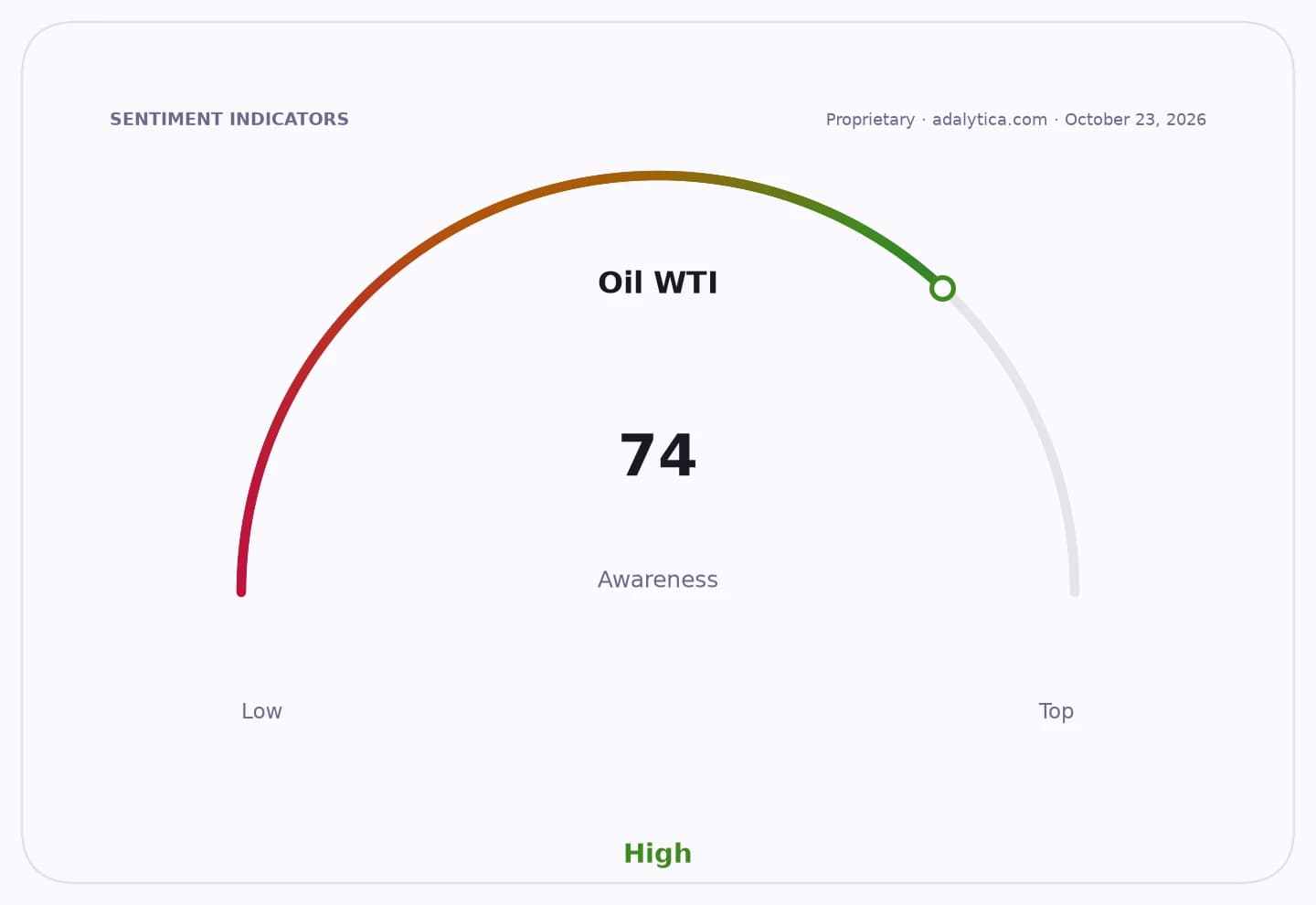
Sentiment IndicatorsⓘProprietary · adalytica.com · October 23, 2026
This is a snapshot — live sentiment, awareness and momentum for 130+ markets update continuously in the dashboard.Open AlphaPulse
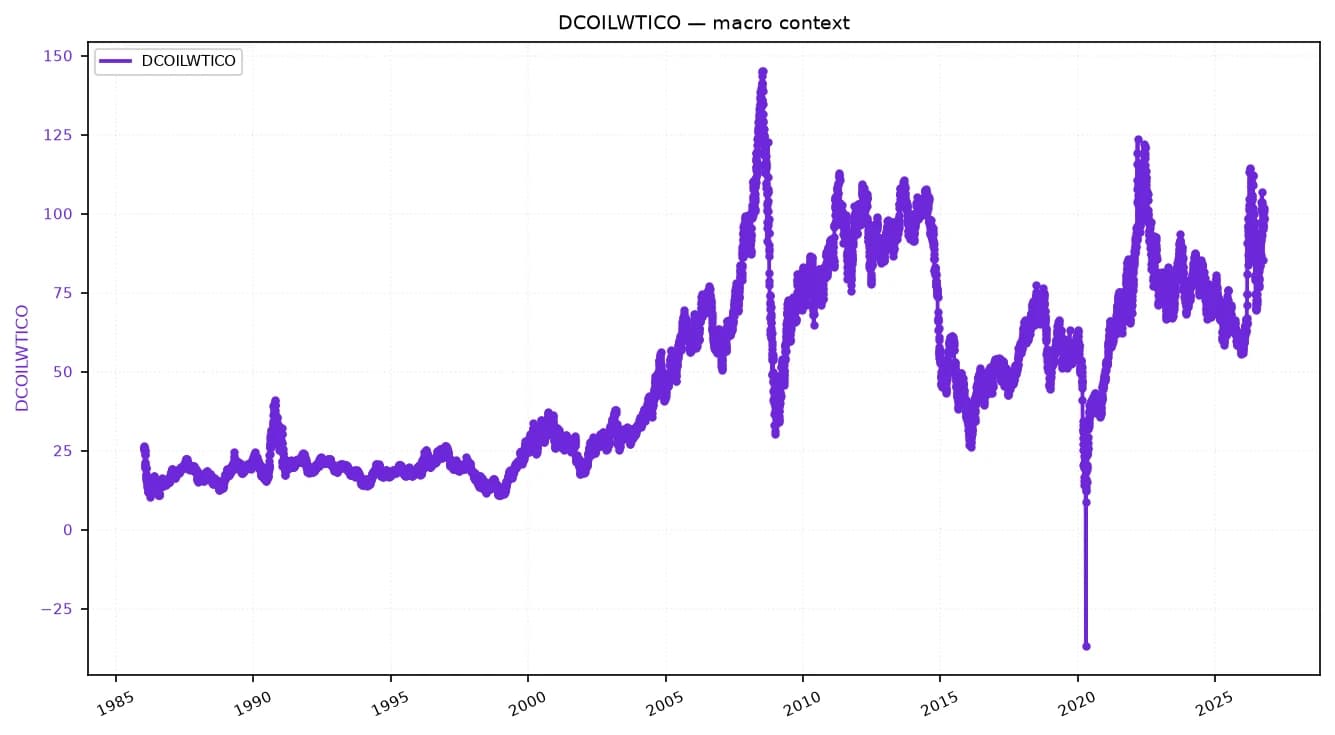
The shipment also lands at a time when oil markets remain volatile. Brent-linked benchmarks have been swinging sharply, with Adalytica’s Oil WTI Trade Signals showing sentiment at “Extreme Fear” even as awareness remains elevated, underscoring how quickly traders can turn cautious when supply or geopolitics shift. That matters because product markets, not just crude, are driving cash flows for producers and refiners heading into year-end.
For Aramco, the move reinforces the company’s role not only as a crude exporter but as a regional supplier of refined products. For buyers in and around the Gulf, it offers more supply optionality. If the Baniyas terminal becomes a recurring outlet, it could deepen UAE-Saudi energy interdependence and improve resilience for diesel users facing higher freight, power and input costs.
The timing matters for refiners, too. Stronger diesel demand has already supported margins globally, and any incremental supply can pressure those spreads at the margin. That is relevant for companies such as Exxon Mobil and Shell, whose shares have been tracking a constructive oil and refining backdrop, with both stocks trading near technical overextension after sharp gains this year.
The broader read-through is geopolitical as much as commercial. A first shipment is an initial data point, not a structural reset, but it suggests energy trade in the Gulf is becoming more flexible and more transactional. If repeated cargoes follow, investors should watch for impacts on regional diesel differentials, refinery utilization and the bargaining power of exporters versus importers.
| Entity | Gains | Losses |
|---|---|---|
| Saudi Aramco | ▲New product outlet | ▼Less pricing scarcity |
| UAE/Baniyas terminal | ▲Supply security | ▼Lower import premiums |
| Diesel buyers | ▲Easier fuel access | ▼Less urgency in market |
| Global refiners | ▲Stable trade flows | ▼Narrower diesel margins |