A gas leak from an LNG tanker after a collision near Vadodara shut a stretch of the Delhi-Mumbai Bharatamala expressway and injured one driver, underscoring how a single transport accident can quickly disrupt a tightly managed energy corridor.
Petronet LNG tanker leak shuts Delhi-Mumbai expressway
The immediate economic issue is not the injured driver, but the exposure of India’s fuel logistics network to an incident involving an extremely flammable cargo moving on a critical freight route. Authorities had to divert traffic near Karjan and keep firefighters spraying water on the tanker to cool it and reduce the fire risk, while officials said emptying the truck could take more than 24 hours. That is a material disruption in a region where road connectivity is central to industrial supply chains and just-in-time fuel delivery.
The tanker had left Petronet LNG’s Dahej terminal and was headed for a company in Jodhpur, linking one of India’s key LNG import and distribution hubs with inland demand centers. When that chain is interrupted, the cost is not only the lost time on the highway. It is the operational risk to gas buyers, logistics operators and insurers, who must price in delays, safety incidents and the possibility of wider shutdowns on major freight arteries.
For investors, the incident is a reminder that India’s LNG story is still as much about infrastructure and transport discipline as it is about demand growth. The country is pushing cleaner-burning fuels deeper into industry and transport, but the system remains vulnerable to bottlenecks at terminals, along highways and inside the trucking fleet that links coastal imports to inland consumers. That favors companies with scale, route control and stronger safety protocols, while smaller transport contractors and underinsured operators face greater risk.
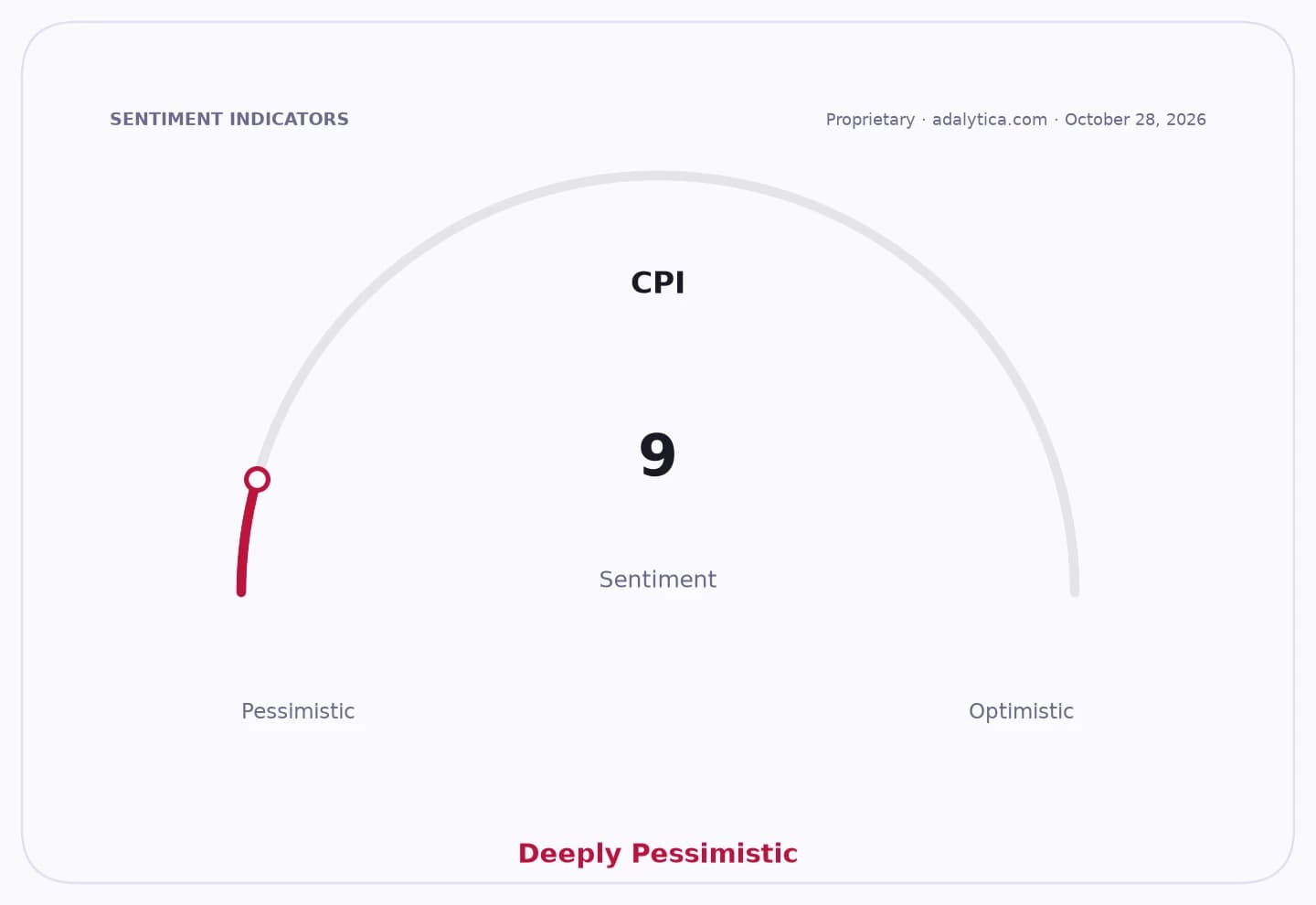
The market impact on the broad natural gas trade is likely limited unless there is evidence of a wider supply interruption. But the episode does reinforce the investment case for energy infrastructure owners and operators that sit on the toll roads of the gas economy, including terminal operators, pipelines and storage providers. In a market where conventional technical indicators show natural-gas-linked assets still elevated and the Adalytica.com natural gas trade signals sit at “Extreme Greed,” any operational shock can sharpen investor focus on supply-chain resilience rather than just commodity direction.
The bigger takeaway is that India’s energy transition is becoming a logistics trade. As LNG volumes rise, the winners will be the firms that can move fuel safely and reliably from port to plant. Episodes like this one do not change the demand thesis, but they do identify where the next layer of capital spending and risk premium will go.
| Entity | Gains | Losses |
|---|---|---|
| Petronet LNG | ▲Safety scrutiny eases after response | ▼Short-term transport disruption |
| Highway authorities | ▲Show emergency readiness | ▼Traffic flow and efficiency |
| LNG logistics operators | ▲Higher safety investment demand | ▼Accident and insurance risk |
| Industrial gas buyers | ▲Focus on supply resilience | ▼Delay risk from road bottlenecks |