Indonesia is accelerating the rollout of subsidized staples through its Red and White cooperative network, a move aimed at putting cheaper food and cooking fuel closer to households as inflation pressures and supply-chain friction continue to squeeze consumers.
Indonesia expands subsidized staples via cooperatives
The government said 10,070 Red and White Cooperative outlets, or KDKMPs, are now operating, and it is speeding deliveries of MinyaKita cooking oil, SPHP rice and 3-kilogram LPG cylinders to those stores. For a country where food and energy costs matter far more to most families than they do in developed markets, this is not just a distribution tweak — it is a policy push to shorten the path between state support and the dinner table.
Cooperatives Minister Ferry Juliantono said the effort follows President Prabowo Subianto’s instructions and is meant to make subsidy delivery more efficient by cutting out layers of middlemen. That matters economically because a longer supply chain often means higher retail prices, patchier availability and weaker pass-through from government spending to consumers. If the KDKMP network works as intended, the state can use existing subsidies more effectively without necessarily raising the bill.
Officials said supplies at some outlets were already available, with MinyaKita, SPHP rice and subsidized LPG among the products being stocked. But Jakarta wants the system moving faster, and the Ministry of Cooperatives plans coordination with the state asset regulator and Danantara to improve distribution. In practical terms, that suggests the government sees logistics, not just funding, as the bottleneck.
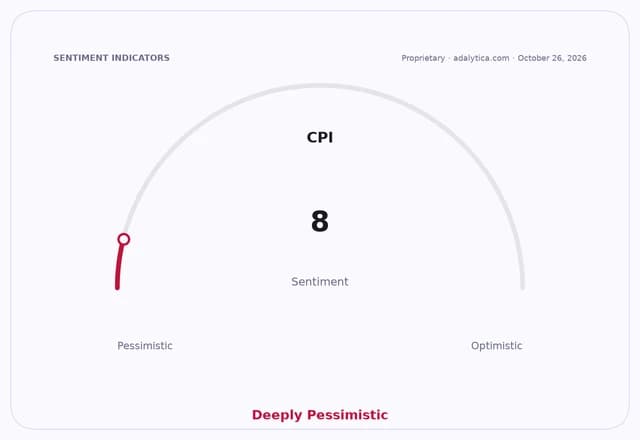
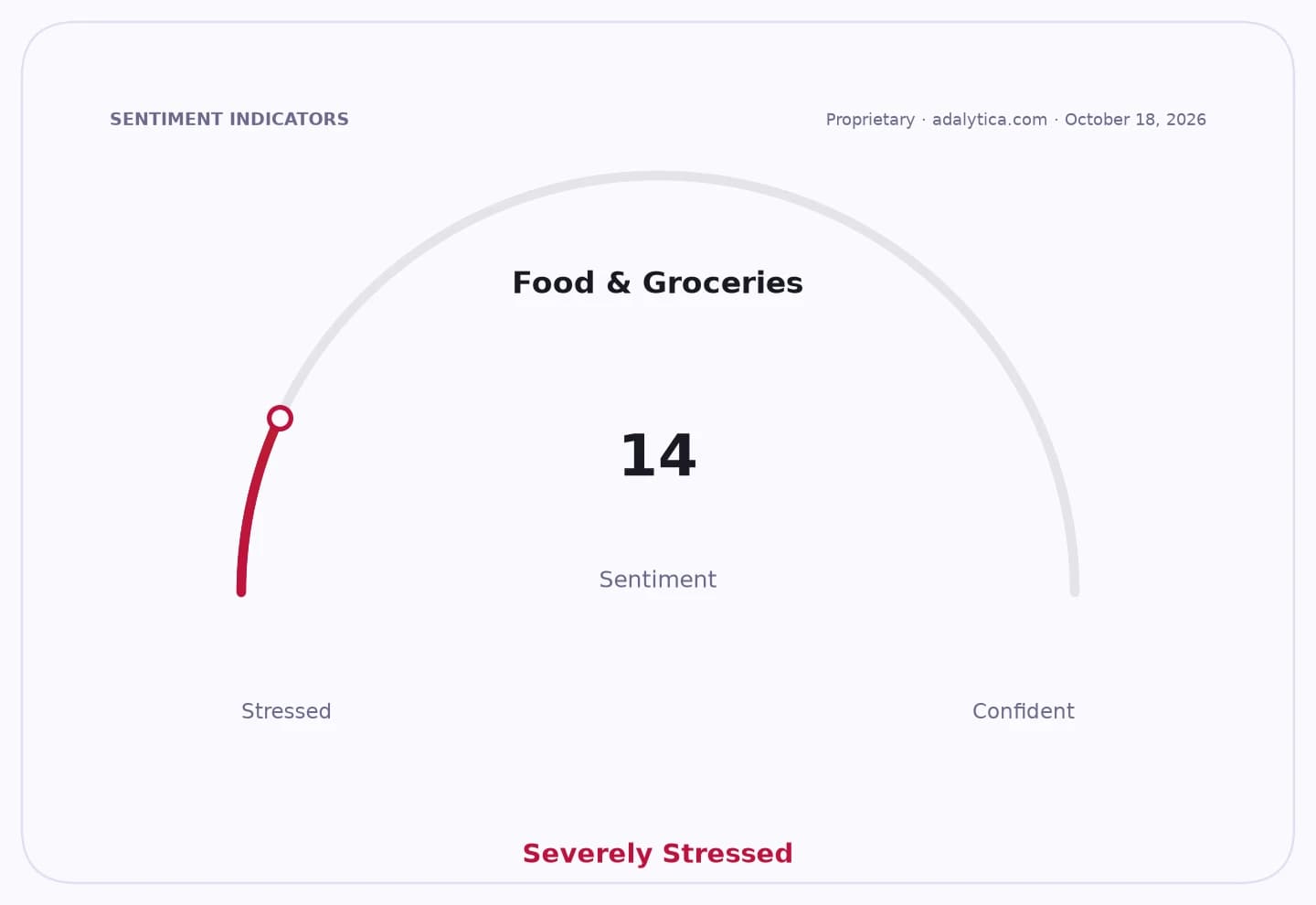
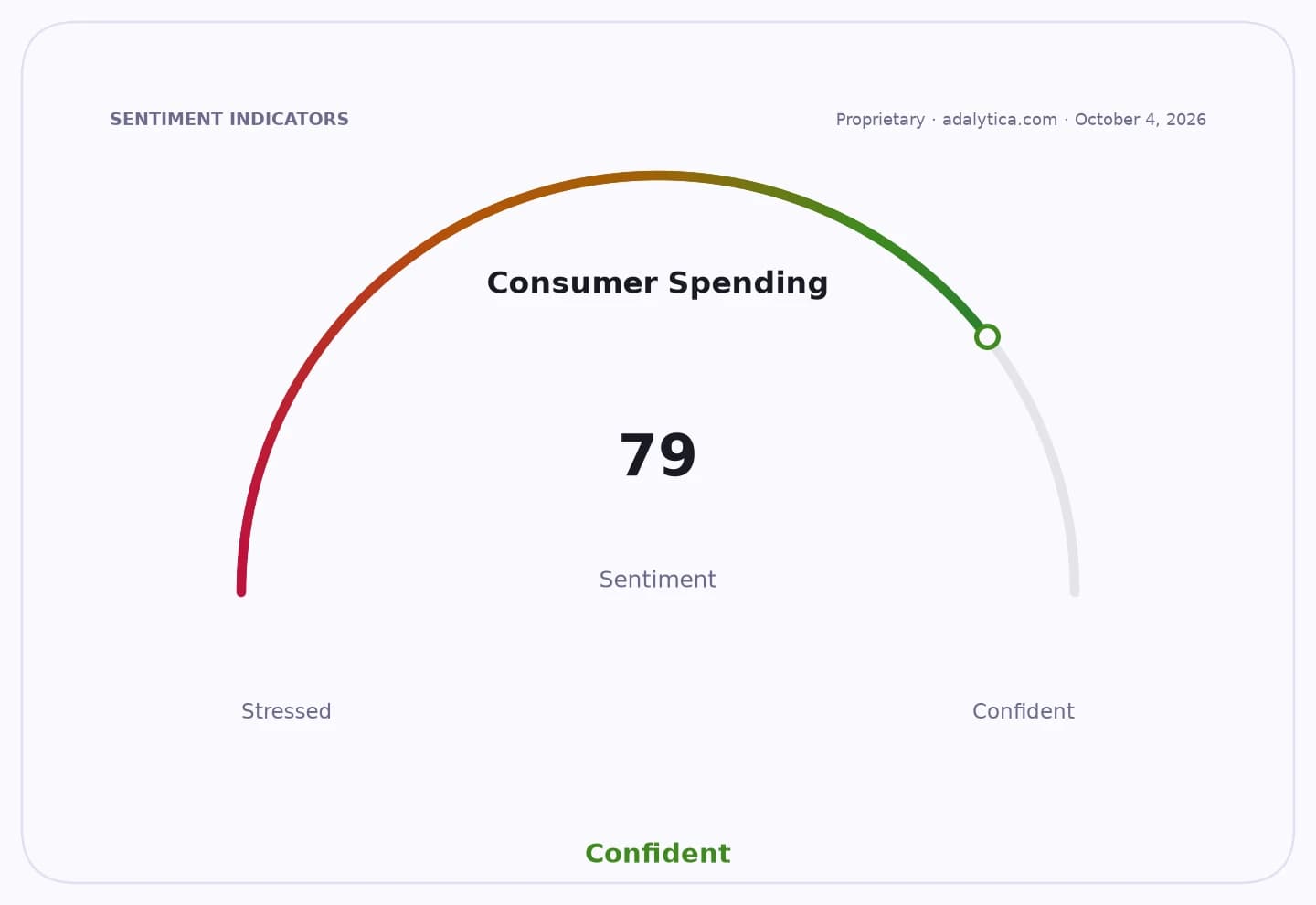
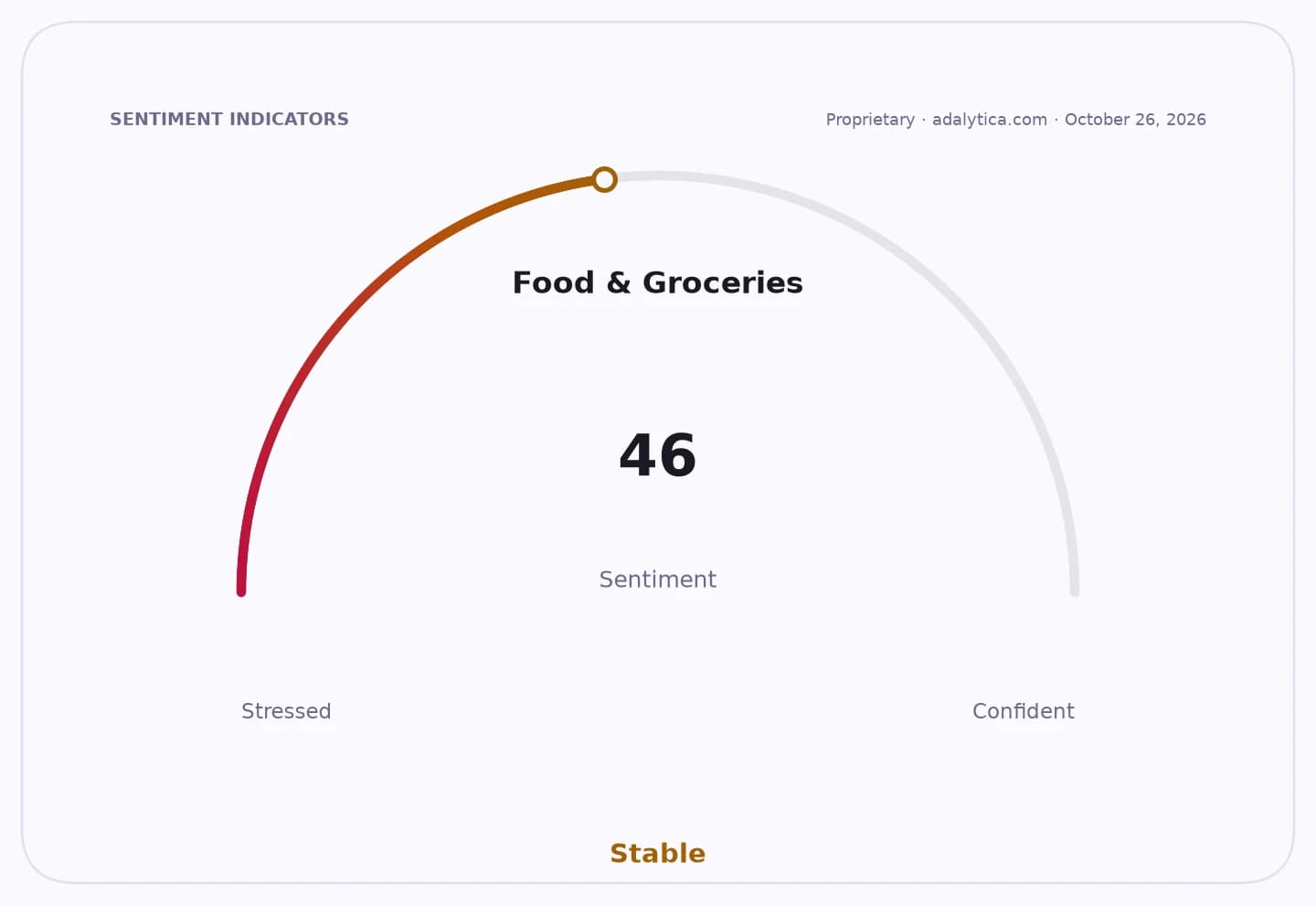
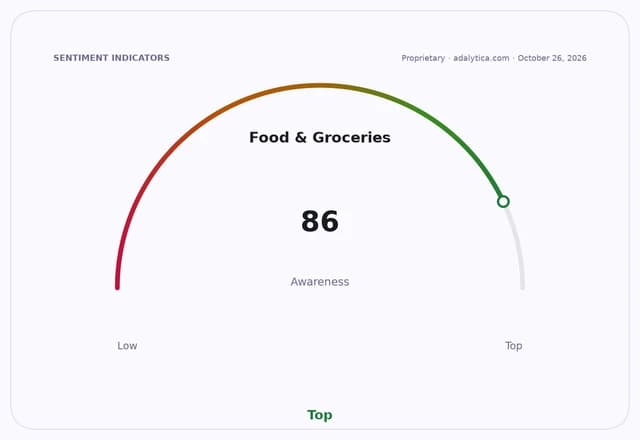
For investors, the story is less about a single retailer winning or losing and more about what happens to inflation, consumption and the broader retail ecosystem. Cheaper and more reliable access to staples can support household spending power, especially in rural areas, and that is important in a period when food-price sensitivity remains high. The latest inflation backdrop reinforces that point: U.S. food-price gauges remain elevated, and the broader global food environment is still vulnerable to weather and shipping disruptions.
The longer-term question is whether the cooperative network becomes a durable part of Indonesia’s distribution architecture or simply another government program that works well on paper but struggles in execution. If it succeeds, the benefits could compound: lower leakage in subsidies, better rural access to essentials and stronger consumer resilience. If it falters, the government risks adding another layer of bureaucracy to a system it wants to simplify.
For now, the clearest takeaway for investors is that Jakarta is betting on local distribution as a tool against cost-of-living pressure. That is a constructive signal for consumer stability, but it is worth watching how quickly the outlets are stocked, how consistently supplies arrive and whether the network can scale beyond early rollout.
| Entity | Gains | Losses |
|---|---|---|
| Indonesian households | ▲Lower prices, easier access | ▼Less if supplies stay uneven |
| Red and White cooperatives | ▲Higher foot traffic, policy support | ▼Execution risk, logistics burden |
| Middlemen/distributors | ▲Fewer roles in the chain | ▼Margin pressure, lost market power |
| Government | ▲Better subsidy targeting, political goodwill | ▼Higher accountability if rollout stalls |