Indonesia’s higher government floor price for paddy is giving rice farmers more certainty on income at a time when state stockpiles are being rebuilt, with officials saying the policy helps protect growers when market prices weaken and reduces the need for intervention when prices stay above the benchmark.
Indonesia Rice Floor Price Supports Farmers

Hanan A. Rozak, a deputy chair of parliament’s Commission IV, said the government’s HPP of 6,500 rupiah per kilogram strengthens market certainty for farmers and supports the wider push toward food self-sufficiency. He said the floor price acts as a safety net when paddy prices fall below that level, while higher market prices allow farmers to benefit without additional state action.
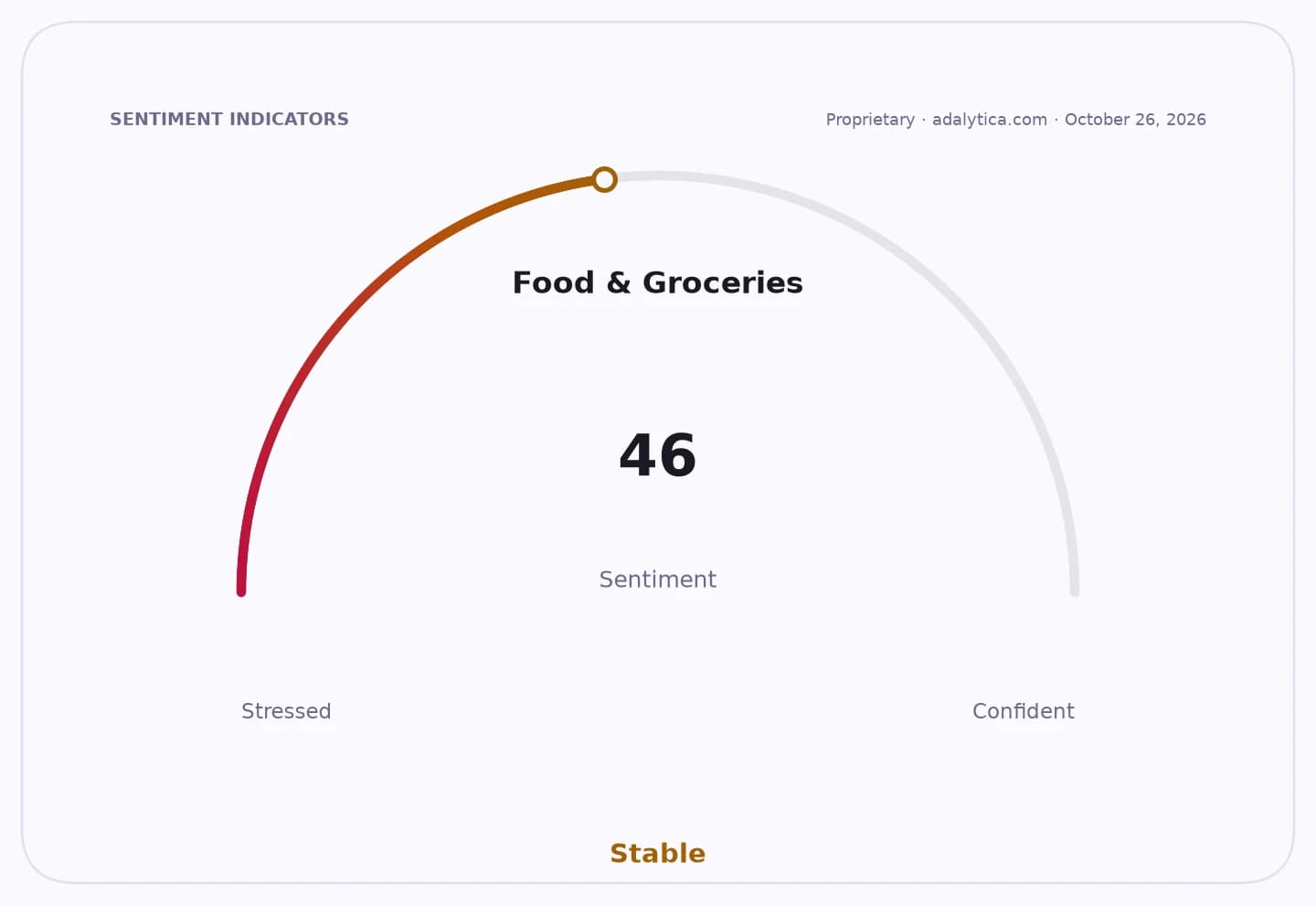
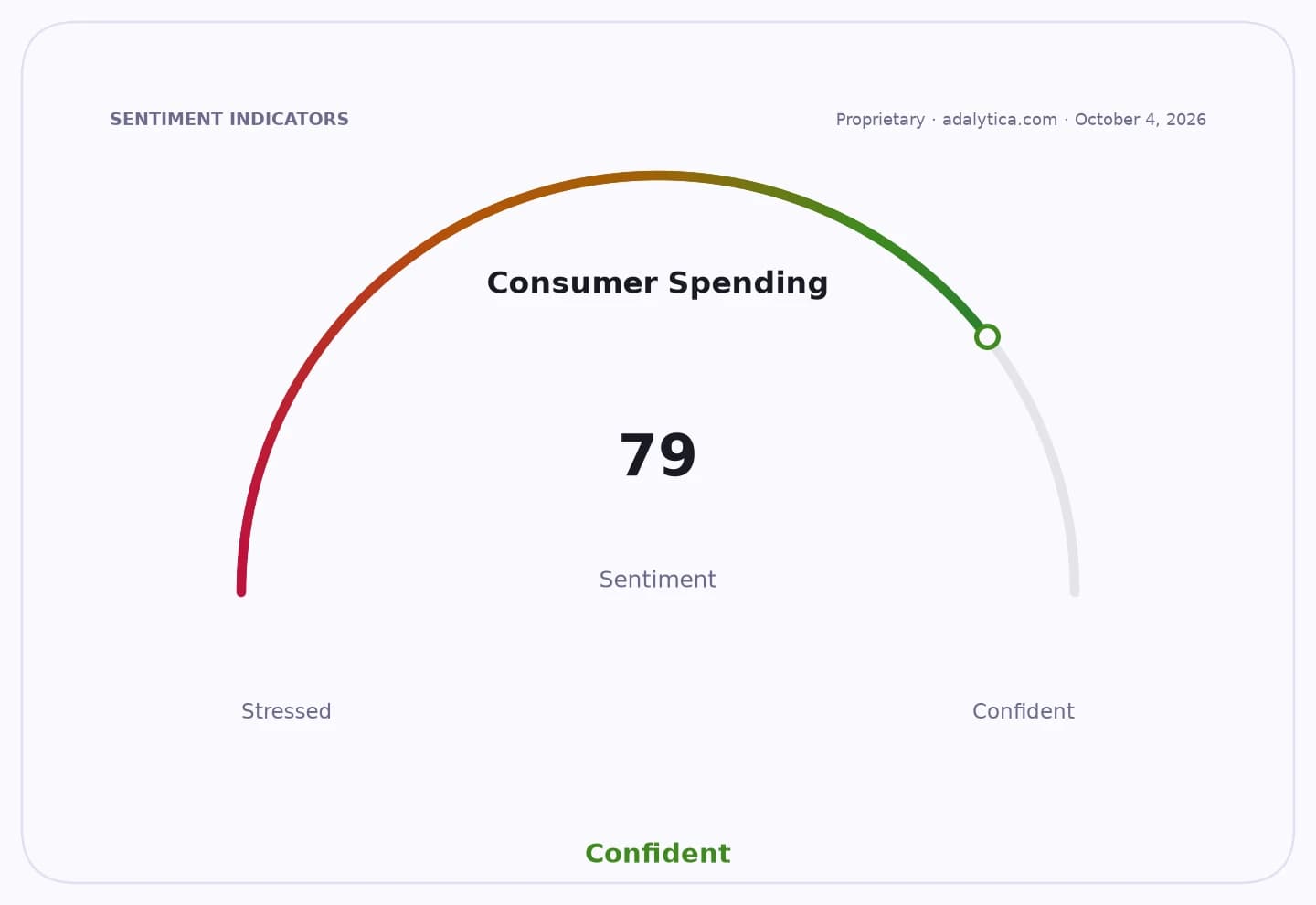
Sentiment IndicatorsⓘProprietary · adalytica.com · October 27, 2026
This is a snapshot — live sentiment, awareness and momentum for 130+ markets update continuously in the dashboard.Open AlphaPulse

The policy matters because rice is both a political and economic staple in Indonesia, where the government must balance farm incomes against consumer inflation. Alongside the HPP, authorities are using a highest retail price cap, or HET, and the SPHP stabilization program to keep rice affordable for households while preventing farmgate prices from collapsing.
That balancing act also underpins Bulog’s role as the state buyer. The state logistics agency has already absorbed 4.11 million tons of rice from farmers as of Oct. 8, or 102% of its 4 million-ton target for 2026, according to Bulog Chief Executive Ahmad Rizal Ramdhani. Strong procurement supports government reserves and gives policymakers more room to manage supply shocks.
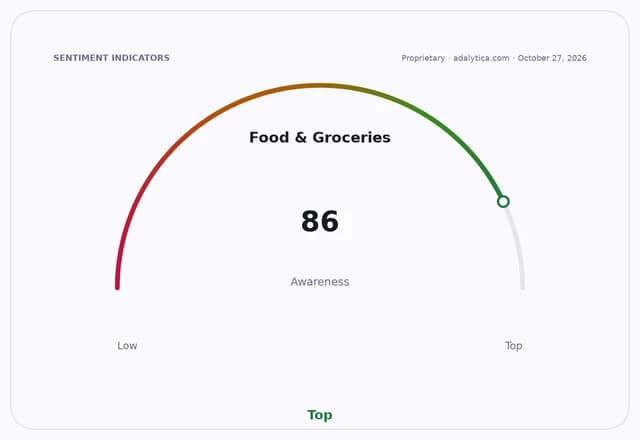
For investors, the message is that Indonesia is leaning more heavily on administrative price support and stock management to stabilize a politically sensitive food market. That can ease near-term volatility for farmers and consumers, but it also points to continued state involvement in pricing, procurement and inventories across the rice chain.
The comments also suggest the government wants to keep production incentives intact without letting consumer prices run too far ahead. With domestic rice and paddy prices already showing signs of firming in parts of the region, the next focus will be whether Bulog’s heavy buying, HPP settings and retail caps keep the market balanced through the next harvest cycle.
| Entity | Gains | Losses |
|---|---|---|
| Rice farmers | ▲Price floor protection | ▼Less upside if capped |
| Bulog | ▲Bigger reserve stock | ▼Higher procurement burden |
| Consumers | ▲More price stability | ▼Less chance of cheaper rice |
| Government | ▲Food-security control | ▼Higher policy and budget pressure |