Egypt is keeping a lid on retail rice prices at 25 pounds a kilo in state-linked outlets as authorities try to blunt food inflation even while global rice markets remain firm and domestic harvests are still only partly complete.
Egypt Caps Rice Prices at 25 Pounds a Kilo
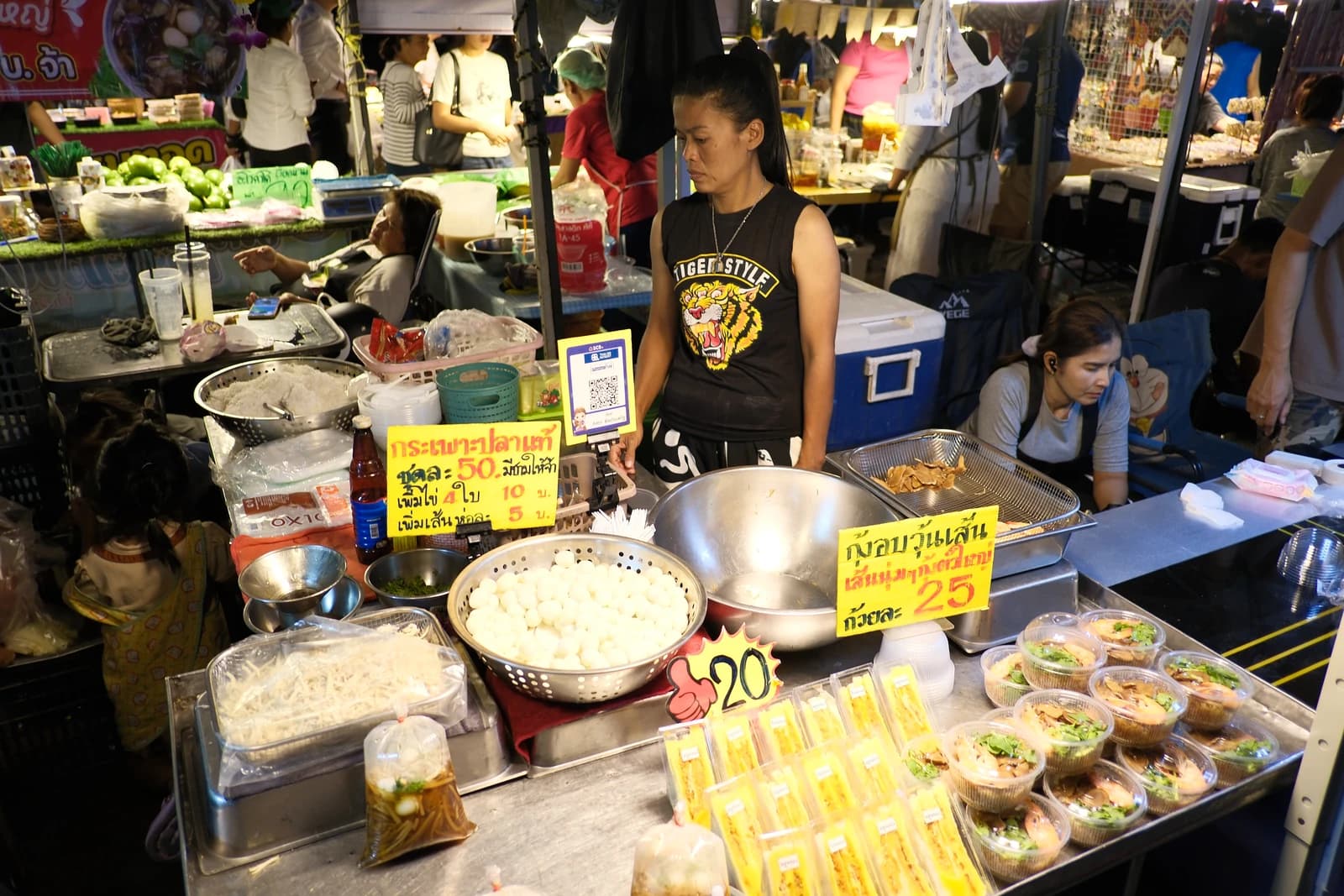
The Ministry of Supply said the subsidized price applies through 284 outlets nationwide under a broader program covering 30 basic goods, including sugar, flour, oil, pasta, dairy and legumes. Rice is also being sold in private malls and stores for 23 to 40 pounds a kilo, underscoring a widening gap between regulated and market pricing.
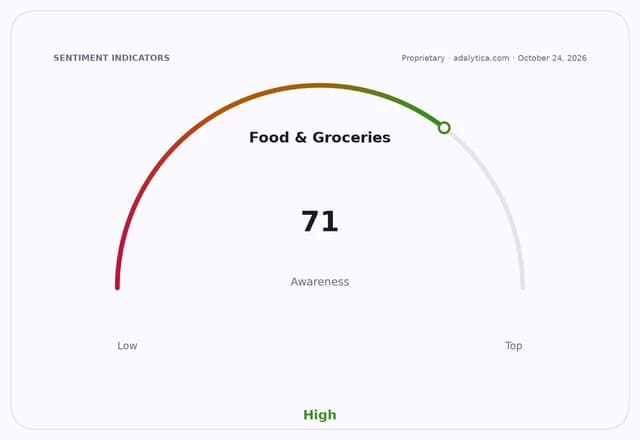
Sentiment IndicatorsⓘProprietary · adalytica.com · October 24, 2026
This is a snapshot — live sentiment, awareness and momentum for 130+ markets update continuously in the dashboard.Open AlphaPulse

The move matters because rice is a staple with outsized weight in household budgets, especially in a country where food costs remain a key driver of living standards and public discontent. By widening access to cheaper rice, the government is trying to ease pressure on consumers and slow the pass-through from imported commodity costs into local retail shelves.
That pass-through risk is still live. Asian rice prices have risen recently, with Vietnamese export offers climbing to $440-$450 a ton, the highest since August, as demand improves and supply worries persist. Producers are also warning that El Niño could cut yields by as much as 30%, a reminder that weather shocks can quickly tighten a market that has already been sensitive to shifts in import demand.
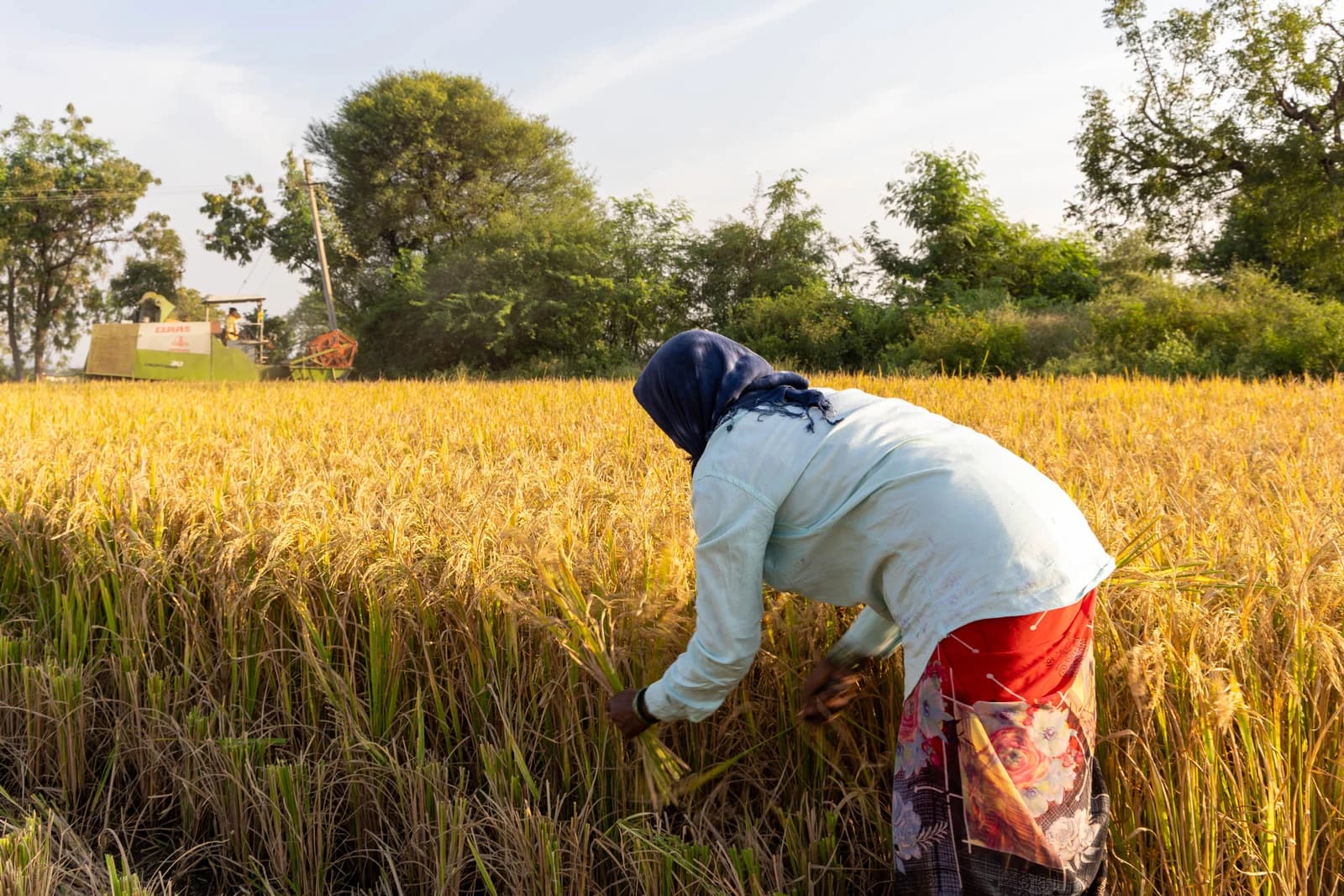
Locally, the harvest is only about 60% complete, according to the agriculture ministry, with cutting underway across key producing provinces including Kafr El Sheikh, Dakahlia and Beheira. Officials also said they are managing rice straw output for use in animal feed and organic fertilizer, a sign the crop still matters beyond the dinner table.
For investors, the story points to continued food-price pressure in emerging markets and to policy intervention as a first-line response. It also highlights the odds of sticky grocery inflation if global grains stay firm, while keeping attention on commodity traders, food importers and consumer companies exposed to rice and other staples.
The next catalyst is whether Egypt can maintain supply at the capped price through the harvest period without forcing a bigger subsidy burden or a sharper squeeze on private retailers.
| Entity | Gains | Losses |
|---|---|---|
| Egyptian households | ▲Lower rice prices | ▼Less access if supplies tighten |
| Government/Ministry of Supply | ▲Relief on inflation pressure | ▼Higher subsidy and enforcement burden |
| Private retailers | ▲Higher market-price flexibility | ▼Pressure from capped public pricing |
| Global rice exporters | ▲Stronger demand and firmer prices | ▼Consumers facing higher costs |