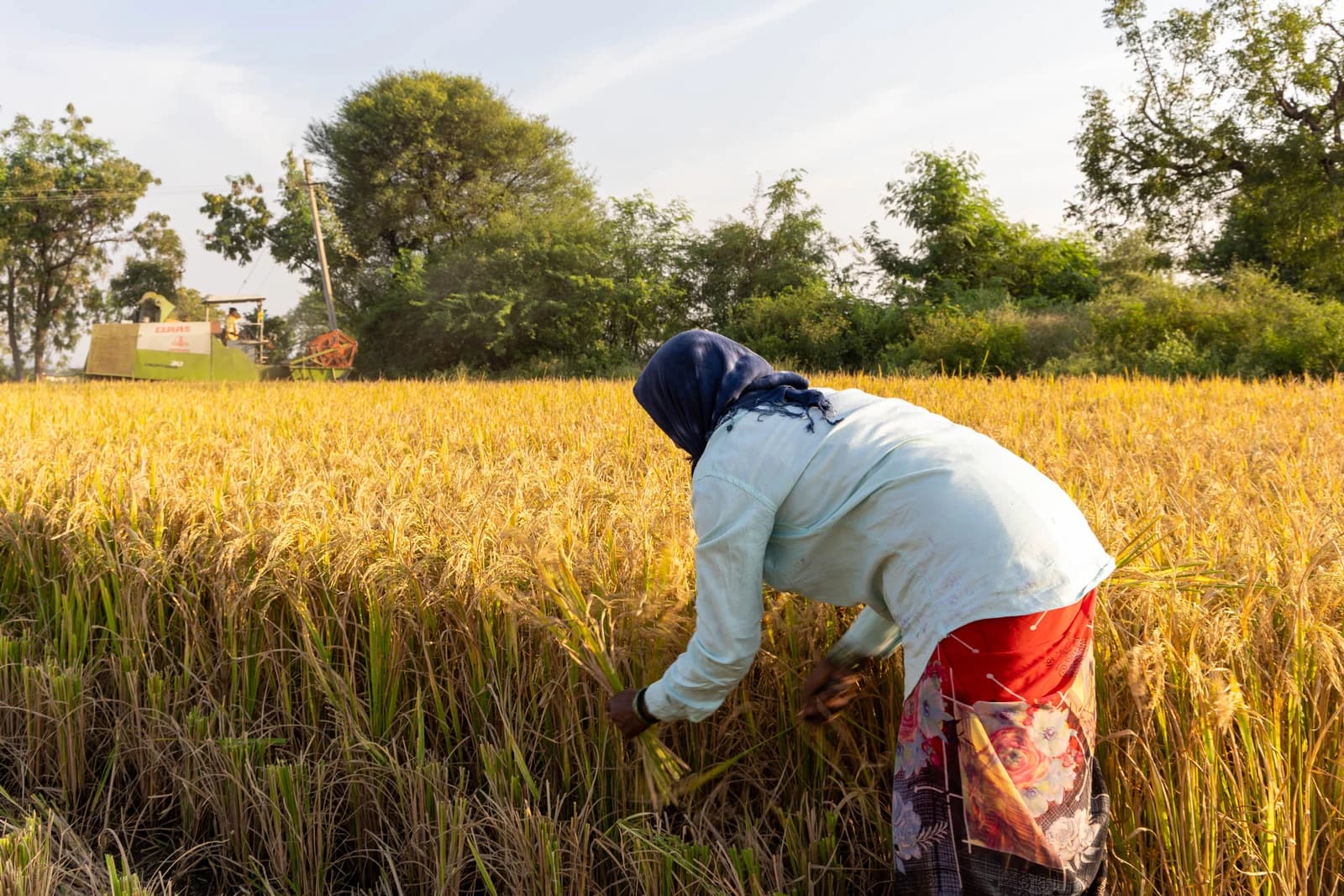
Myanmar has set a basic reference price of 1.35 million kyats for 100 baskets of paddy for the 2026 monsoon crop and the 2027 summer crop, a move aimed at preventing farmgate prices from falling below a level authorities deem fair for growers.
Myanmar sets paddy floor price for 2026 crop
The announcement matters because rice remains one of Myanmar’s most important agricultural staples and a key source of cash income for rural households. By fixing a floor for paddy bought at standard quality — 14% moisture and free of impurities — the authorities are effectively signalling that millers and traders should not force distressed sales below that level. In a country where food prices and household incomes are already under strain, the policy is designed to stabilize farm earnings and support broader rural spending power.
Under the terms of the notice, if the market price is higher than the reference level, buyers are supposed to pay the prevailing market rate; if it is lower, purchases should be made at the floor price. That makes the announcement less a subsidy than a backstop for farmers, one that could help smooth volatility in a market sensitive to weather, input costs and transport disruptions.
The move also has implications for inflation and the rice trade. A firmer paddy price can support farmer margins, but it can also lift milling costs and, eventually, retail rice prices if traders cannot absorb the increase. That matters in Myanmar, where rice is a staple and where households spend a large share of income on food. If the floor is enforced effectively, it could reduce pressure on farmers to sell at a loss; if not, it risks becoming a nominal benchmark with limited market impact.
For investors and agribusiness players, the announcement points to a more interventionist pricing framework in one of Southeast Asia’s major rice-producing economies. Traders, millers and exporters will be watching whether the floor is matched by procurement financing and enforcement at township level. If implementation is uneven, the policy may primarily benefit organized buyers and larger operators able to navigate the system, while smaller farmers remain exposed to local market pricing.
The reference price is also likely to influence planting decisions, especially as it applies to both the 2026 monsoon crop and the 2027 summer crop. By giving farmers a clearer income floor, the government is trying to encourage continued output at a time when higher fertiliser, fuel and logistics costs have raised production risks across the region. The real test will be whether the benchmark is high enough to offset those costs and whether it can be maintained without distorting trade flows or increasing consumer prices.
| Entity | Gains | Losses |
|---|---|---|
| Paddy farmers | ▲Higher income floor | ▼Less upside if market rallies modestly |
| Traders and millers | ▲Clearer pricing benchmark | ▼Higher procurement costs |
| Consumers | ▲Potentially steadier supply | ▼Risk of pricier rice |
| Government | ▲Rural stability and political goodwill | ▼Enforcement burden and inflation risk |