Pacific Gas and Electric is moving to preemptively cut power to as many as 12,200 customers across 17 California counties this weekend, a reminder that wildfire risk remains a direct economic cost for utilities, households and investors in the state’s power system.
PG&E plans shutoffs for 12,200 California customers
The warning matters because these Public Safety Power Shutoffs are no longer rare weather events; they are a structural feature of doing business in California, where extreme wind, low humidity and aging grid infrastructure can force utilities to choose between reliability and liability. PG&E said the potential outages could begin Friday and run through Monday as gusts of 30 to 45 mph, with peaks up to 55 mph in parts of the Northern Sierra, raise the risk that electrical equipment could spark fires.
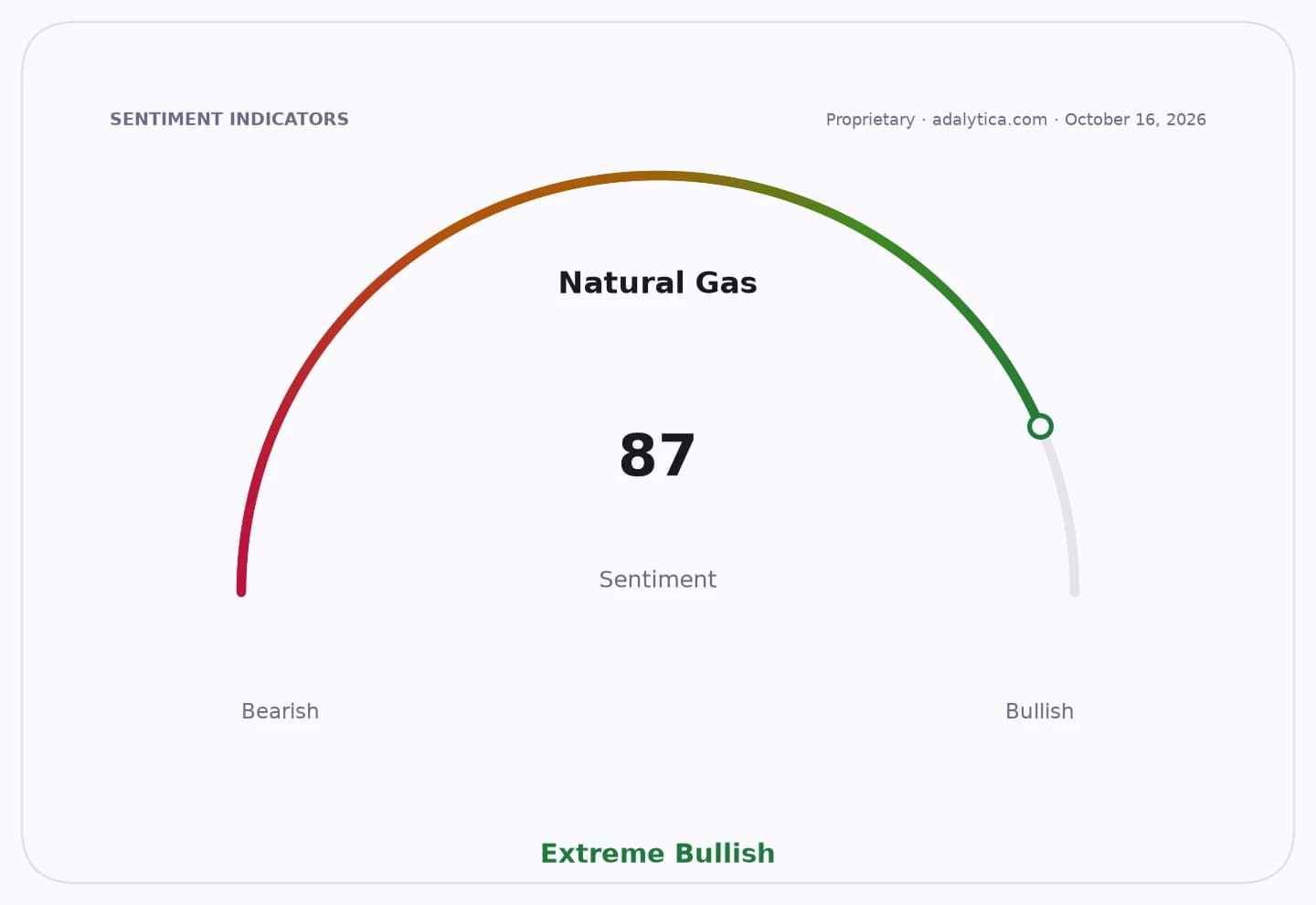
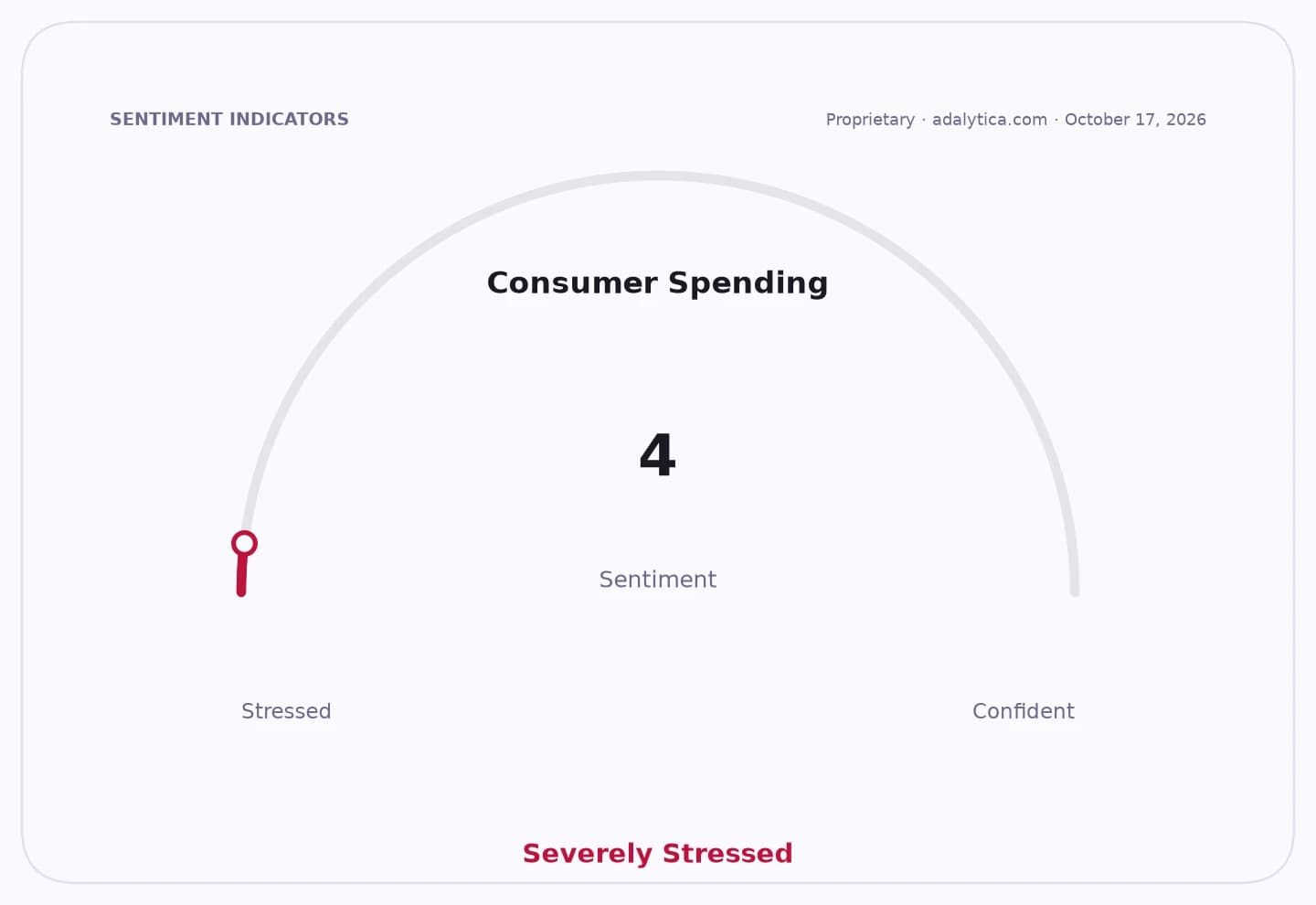
Sentiment IndicatorsⓘProprietary · adalytica.com · October 12, 2026
This is a snapshot — live sentiment, awareness and momentum for 130+ markets update continuously in the dashboard.Open AlphaPulse
For investors, the immediate question is not just how many customers lose power, but how often utilities must deploy this tool and what it does to earnings, capital spending and regulatory risk. PG&E has spent years hardening its network and tightening wildfire protocols, yet its latest notice shows the company still operates with limited room for error when weather turns hostile. That keeps the market focused on the same trade: regulated utilities can offer defensive cash flows, but wildfire exposure means those cash flows come with recurring headline risk, higher operating costs and the threat of future rate pressure.
The counties potentially affected include Napa, Yolo, Tehama, Solano, Shasta, San Luis Obispo, Fresno, Kings, Merced, Kern, San Joaquin, Alameda and San Benito, underscoring how wide the operational footprint of these events can be. In practical terms, shutoffs can disrupt commerce, strain hospitals and schools, and create short-term losses for local businesses that rely on uninterrupted electricity, even when the outages are designed to prevent a far more expensive disaster.
That is why PG&E’s wildfire strategy remains central to the investment case. The utility’s filings make clear that mitigation efforts, including enhanced safety settings, vegetation management and system hardening, reduce but do not eliminate wildfire risk. The broader market implication is that California utilities will likely keep pouring capital into resilience projects, supporting spending on poles, wire, monitoring tools and grid modernization while also leaving them exposed to political and legal scrutiny whenever outages are used as a preventive measure.
Shares of PG&E and peer California utilities have repeatedly moved on wildfire headlines, but the bigger story is the long-duration demand created by climate volatility itself. Every new wind event reinforces the case for investment in grid hardening, transmission upgrades, undergrounding in select areas and other infrastructure that can reduce the need for future shutoffs. That creates a durable opportunity for suppliers tied to utility capex even as the operating model for the utilities remains constrained.
The next catalyst is the weather itself. If winds intensify, shutoffs could broaden and the market will again weigh safety against service reliability. If conditions ease early next week, the immediate risk may pass, but the investment thesis does not: California’s power system is entering another season where resilience spending, not just electricity sales, will determine winners and losers.
| Entity | Gains | Losses |
|---|---|---|
| PG&E | ▲lower wildfire liability | ▼customer backlash |
| Utility equipment suppliers | ▲more grid-hardening capex | ▼none immediate |
| California businesses/residents | ▲fire-risk reduction | ▼power disruption |
| Competing utilities in safer regions | ▲relative stability | ▼none immediate |