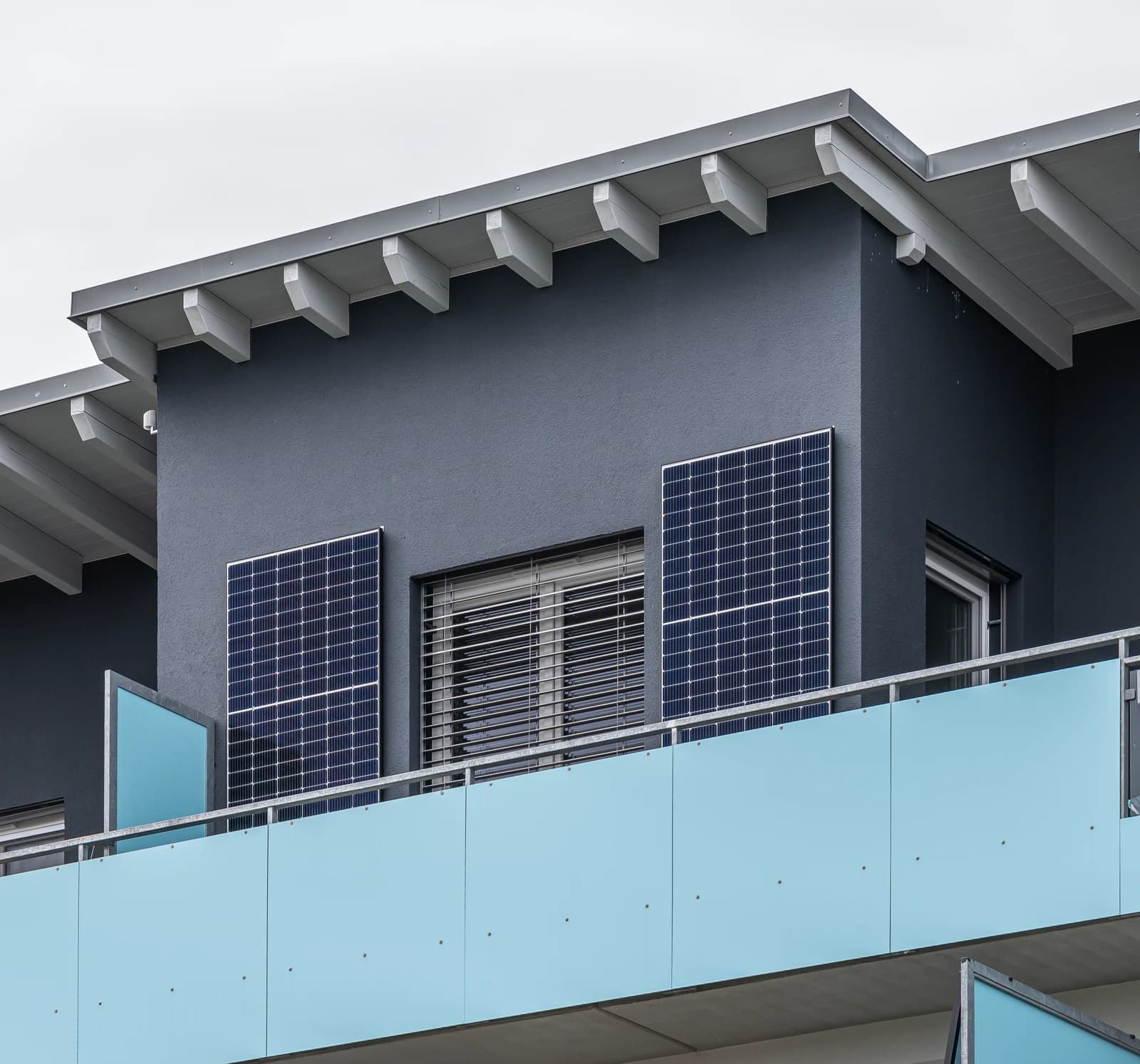
Municipalities in Spain’s Valencia region are getting a practical roadmap for one of the clean-energy trends with the clearest economic payoff: local power communities that can cut electricity bills, lower emissions and reduce dependence on expensive grid power.
Valencia municipalities plan shared solar projects
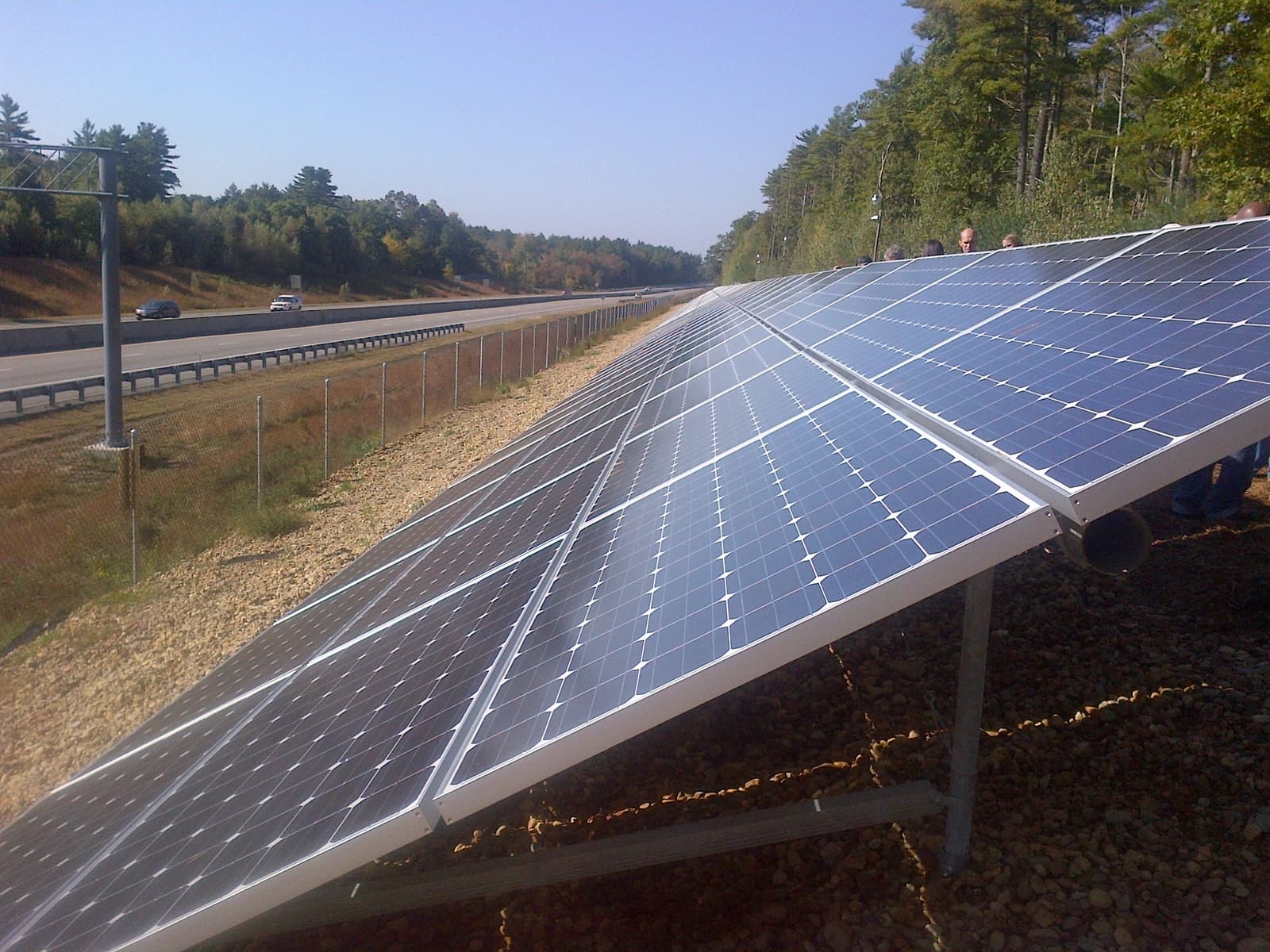
The Institute of Energy Technology, or ITE, is hosting a session on Oct. 22 aimed squarely at town halls, cooperatives and utilities, as local governments look for ways to turn rooftops, public land and municipal buildings into shared solar projects. For investors, the significance is simple: this is where the energy transition stops being a policy slogan and starts becoming an infrastructure market with recurring spending, public financing needs and a long runway for distributed generation, storage and demand management.
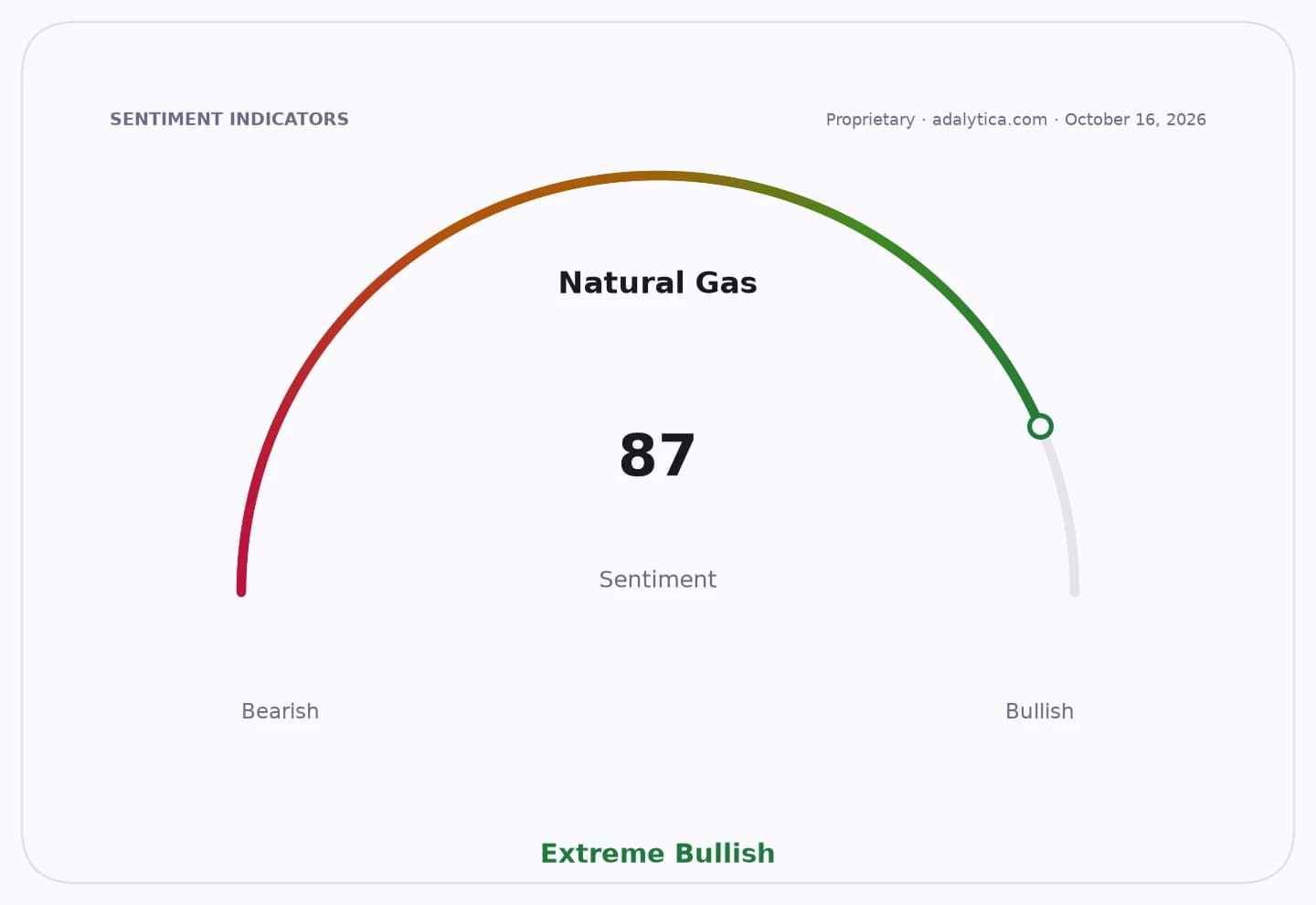
Sentiment IndicatorsⓘProprietary · adalytica.com · October 16, 2026
This is a snapshot — live sentiment, awareness and momentum for 130+ markets update continuously in the dashboard.Open AlphaPulse
ITE’s pitch is backed by live data, not theory. Through the European ENCOM HUB project, coordinated in Spain by the institute, more than 9,000 people are already participating in energy communities in the Comunitat Valenciana, supported by an estimated 15,500 megawatt-hours of annual renewable output. The project has also identified 11 pilot sites across municipalities including Alginet, Vinalesa, Meliana and Requena, with 23 public buildings analyzed and 10,259 kilowatts of planned solar capacity.
That matters because municipalities are increasingly under pressure on three fronts at once: power costs, building efficiency and decarbonization targets. When local governments can use their own roofs, land and facilities to generate electricity, they are not just shaving operating expenses. They are creating a repeatable model for energy resilience that can be copied across smaller cities and towns that often struggle to attract large-scale private investment.
The financial case is especially compelling in a high-cost energy environment. ITE says the pilot projects could avoid about 4,795 tonnes of carbon dioxide equivalent a year, while also reducing electricity bills and opening the door to battery storage and collective self-consumption models. That combination is attractive to public-sector budget planners and to companies selling solar hardware, storage systems, engineering services and grid software.
For investors, the broader story is the same one playing out across Europe and parts of the U.S.: distributed energy is moving from niche to necessity. Community solar and shared generation are less headline-grabbing than utility-scale wind or gas, but they are often easier to deploy, politically easier to defend and better aligned with the spending priorities of local governments facing inflation and tighter budgets.
That does not make the opportunity risk-free. Municipal projects can be slowed by permitting, regulation, financing complexity and uneven execution. But the direction of travel is clear. As public entities search for ways to stretch every euro, projects that reduce ongoing electricity costs while improving energy security should keep gaining traction.
For long-term investors, the takeaway is to watch the companies that can monetize this shift across a broad base of small projects rather than relying on a few giant developments. Distributed solar, batteries, energy management software and local-grid services remain worth watching, and the municipalities now learning the model may become an important source of demand for years.
| Entity | Gains | Losses |
|---|---|---|
| Municipalities | ▲Lower electricity bills | ▼Budget pressure from power costs |
| Solar and storage suppliers | ▲More project demand | ▼Slow permitting and complexity |
| Local residents and cooperatives | ▲Cheaper, cleaner power | ▼Reliance on fossil-grid prices |
| Grid-dependent utilities | ▲Potential load loss | ▼Reduced captive demand |