Germany’s fast-growing balcony solar market is turning a niche consumer product into a meaningful pressure point on household electricity costs and a fresh source of demand for solar equipment makers.
Germany balcony solar cuts bills and boosts demand
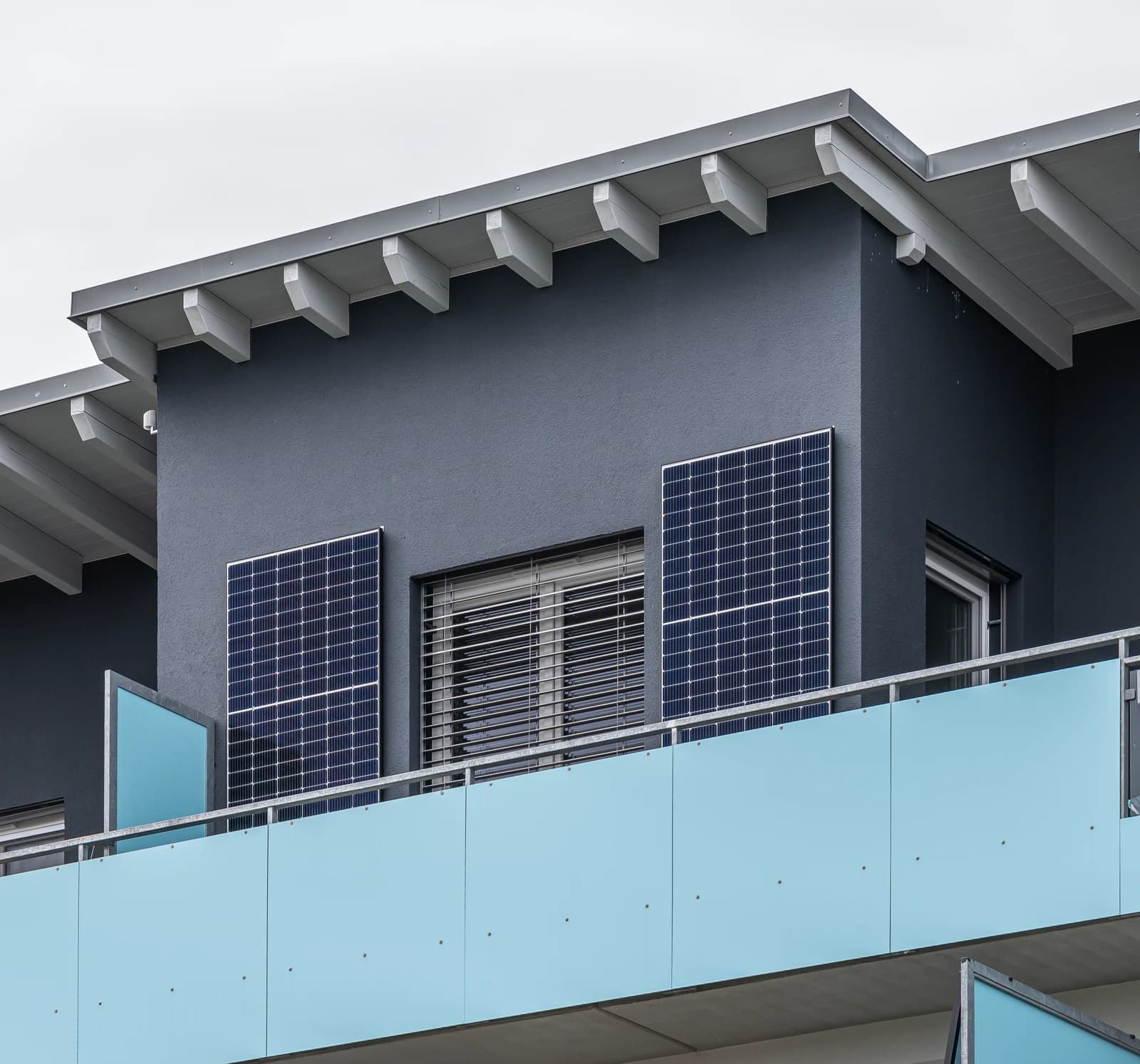
The appeal is simple: for apartment dwellers who cannot install rooftop arrays, small panels mounted on balcony railings can offset daytime power use and trim bills with relatively low upfront cost. In a country where more than half the population rents, that has made “Balkonkraftwerk” systems one of the most visible signs of Europe’s distributed-energy shift.
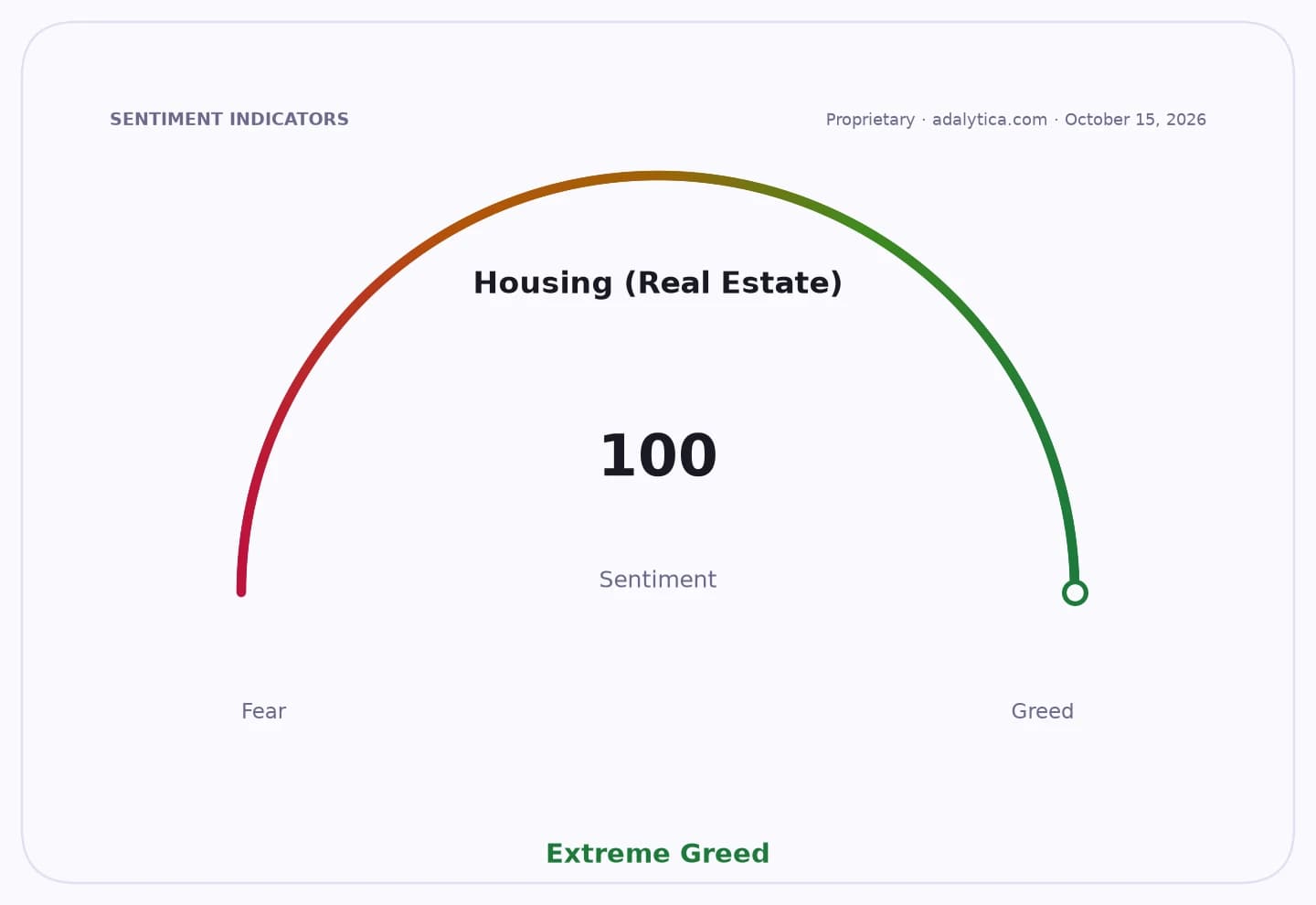
Sentiment IndicatorsⓘProprietary · adalytica.com · October 12, 2026
This is a snapshot — live sentiment, awareness and momentum for 130+ markets update continuously in the dashboard.Open AlphaPulse
The economics are modest at the household level but significant in aggregate. A south-facing 400-watt panel in a good location can generate about 280 kilowatt-hours a year, with roughly 200 kilowatt-hours consumed directly at home, enough to cut annual bills by about 60 euros. Two-panel systems can start at around 200 to 300 euros, putting payback periods within reach for cost-sensitive consumers even as electricity prices remain a concern.
That matters because it broadens the solar market beyond homeowners and utility-scale buyers. Balcony systems do not replace full residential installations, but they compete for the same consumer budget and accelerate adoption by lowering the psychological and financial barrier to entry. For installers and module suppliers, the trend expands the addressable market into dense urban housing stock that traditional rooftop solar has often struggled to reach.
For investors, the story cuts two ways. Manufacturers and brands tied to residential solar stand to benefit from a wider pool of buyers and steady unit demand, even if each sale is smaller. But the rise of low-cost plug-in systems also puts pressure on companies dependent on higher-margin rooftop installs and financed leases, where customer acquisition and permitting costs are higher. In a weaker pricing environment, that can amplify margin stress.
The broader backdrop is a European consumer increasingly looking for self-sufficiency as power bills remain politically sensitive. Balcony panels help households capture more value from daytime sunlight, though output still depends heavily on orientation, shading and seasonality. They do not solve nighttime demand or winter shortfalls, and without batteries they cannot cover a home’s full electricity needs.
Still, the direction of travel is clear: as solar hardware gets cheaper and installation easier, the market is moving from a specialist investment to a mass household purchase. That favors the suppliers able to sell simple, low-cost systems at scale and leaves more traditional residential solar models fighting to defend their economics.
| Entity | Gains | Losses |
|---|---|---|
| German renters | ▲Lower electricity bills | ▼Limited output in winter/night |
| Solar panel suppliers | ▲New volume from small installs | ▼Lower average order value |
| Traditional rooftop installers | ▲More public interest in solar | ▼Fewer easy rooftop customers |
| Utility power sellers | ▲— | ▼Some daytime household demand |