A monthly electricity bill of about ₹3,000 is becoming a clear tipping point for Indian households considering rooftop solar, and that matters because it marks the point where policy support, falling equipment costs and rising power tariffs can turn a utility expense into a long-duration savings asset.
India rooftop solar gains on ₹3,000 bills
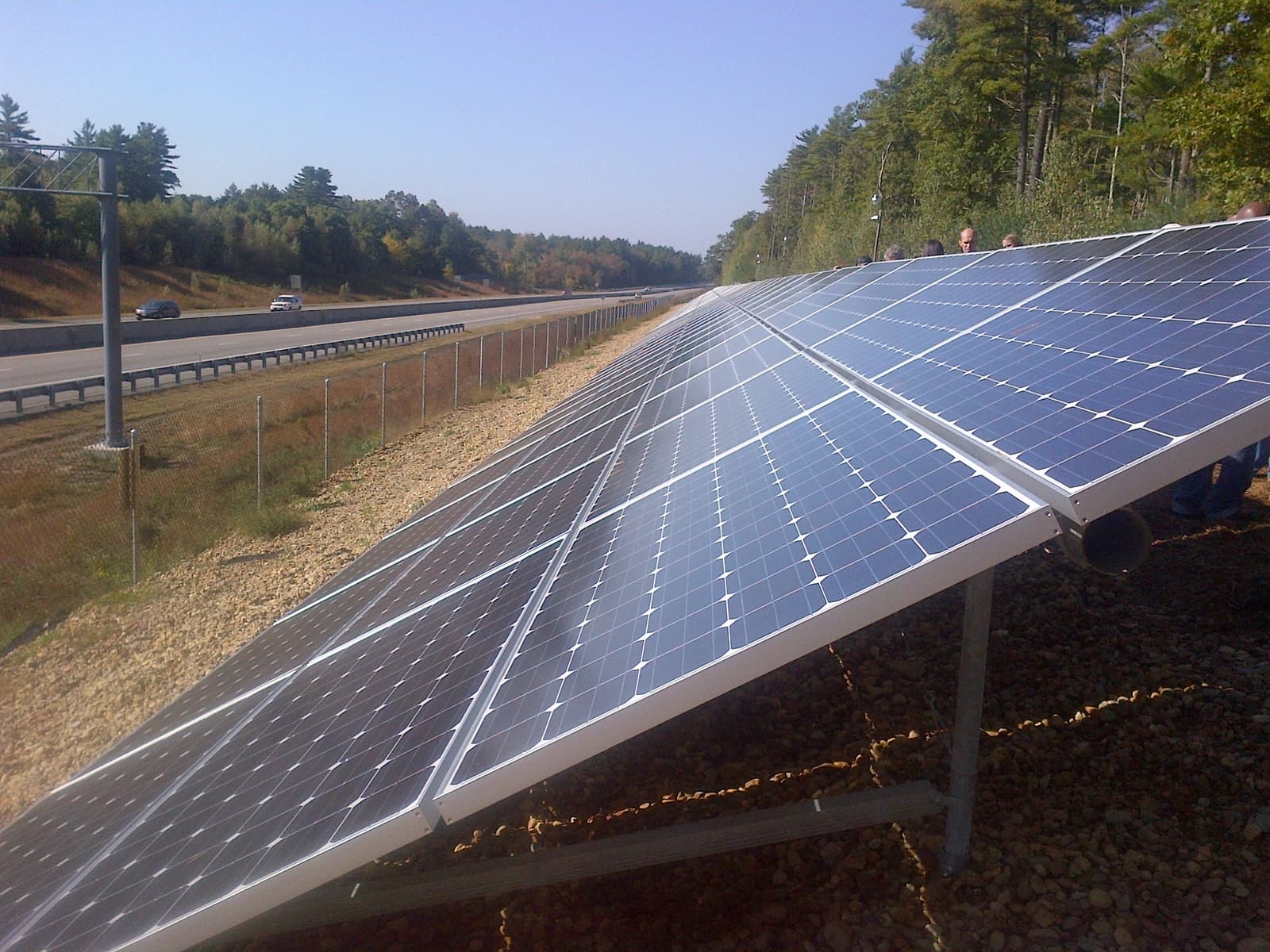
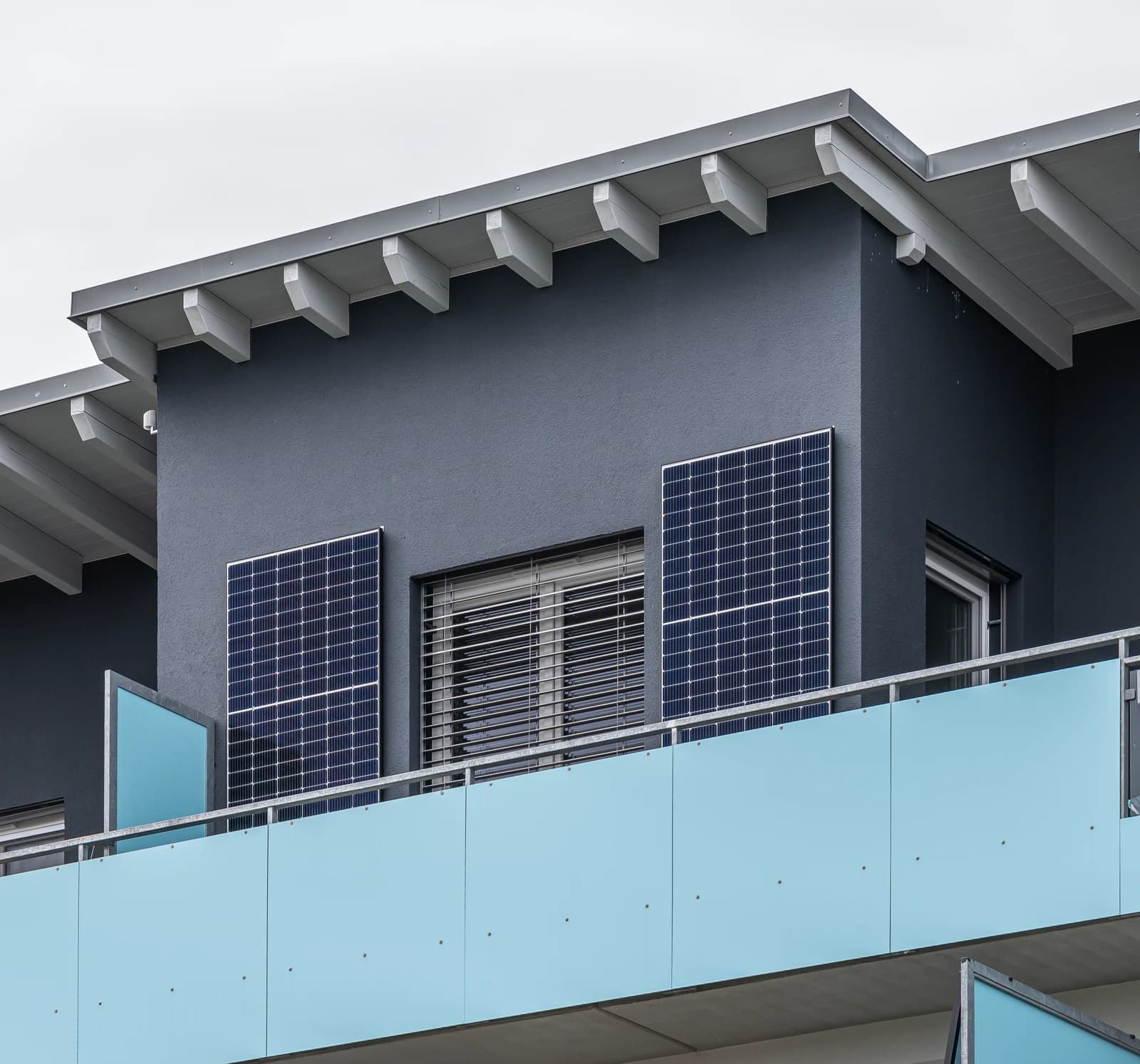
For many families, the math is now straightforward. A 3-kilowatt on-grid rooftop system can generate roughly 300 to 350 units a month in good sunlight, which is enough to offset a meaningful slice of a bill around that level. The installation typically needs eight to nine panels, about 200 to 250 square feet of open space and, in India, can cost roughly ₹1.5 lakh to ₹1.75 lakh before subsidies. Under the government’s PM Surya Ghar: Muft Bijli Yojana, eligible households can receive central support of up to ₹78,000 for systems of 3 kW or more.
Sentiment IndicatorsⓘProprietary · adalytica.com · October 7, 2026
This is a snapshot — live sentiment, awareness and momentum for 130+ markets update continuously in the dashboard.Open AlphaPulse
That combination is what makes the story economically important. Rooftop solar is no longer just an environmental choice; it is a household cash-flow decision. Every rupee spent upfront competes with years of electricity savings, and the payback period gets shorter when power bills are already running near ₹3,000 a month. For India, the broader implication is lower grid demand growth at the margin, less exposure to future tariff increases and a gradual shift in how residential customers think about energy: not as a variable monthly bill, but as a fixed capital investment.
The investable angle is just as clear. This is the kind of adoption curve that favors the picks-and-shovels of distributed solar — module suppliers, installers, inverter makers, financing platforms and utility-scale players that can cross-sell home systems. In the U.S., the clearest public-market beneficiaries remain firms tied to the solar value chain, including First Solar, Sunrun and, to a lesser extent, other residential and utility solar names. Their shares have been volatile, but the strategic backdrop is strengthening as households and governments search for ways to blunt electricity inflation and improve energy security.
There are still constraints. Rooftop solar works best where roofs are unobstructed, sunlight is reliable and consumers can fund the upfront cost, even with subsidies. And it will not wipe out every bill, especially for homes with higher consumption or poor site conditions. But that is exactly why the market is still early. The opportunity is not in households that already have the cheapest power; it is in the broad middle class facing recurring bills that are large enough to justify the capex.
The market underestimates how quickly this can compound. Once a 3-kilowatt system becomes the default answer to a ₹3,000 bill, the next leg is financing, standardization and mass deployment. Investors should look past the headline subsidy and focus on the secular shift: residential solar is turning from a niche purchase into an energy infrastructure trade with multi-year upside.
| Entity | Gains | Losses |
|---|---|---|
| Rooftop solar installers | ▲More household demand | ▼Slower growth if financing tightens |
| Module and inverter makers | ▲Higher equipment sales | ▼Pricing pressure from competition |
| Households with high power bills | ▲Lower long-run electricity costs | ▼Upfront capex burden |
| Electric utilities | ▲Deferred peak-load stress | ▼Lower retail power sales |