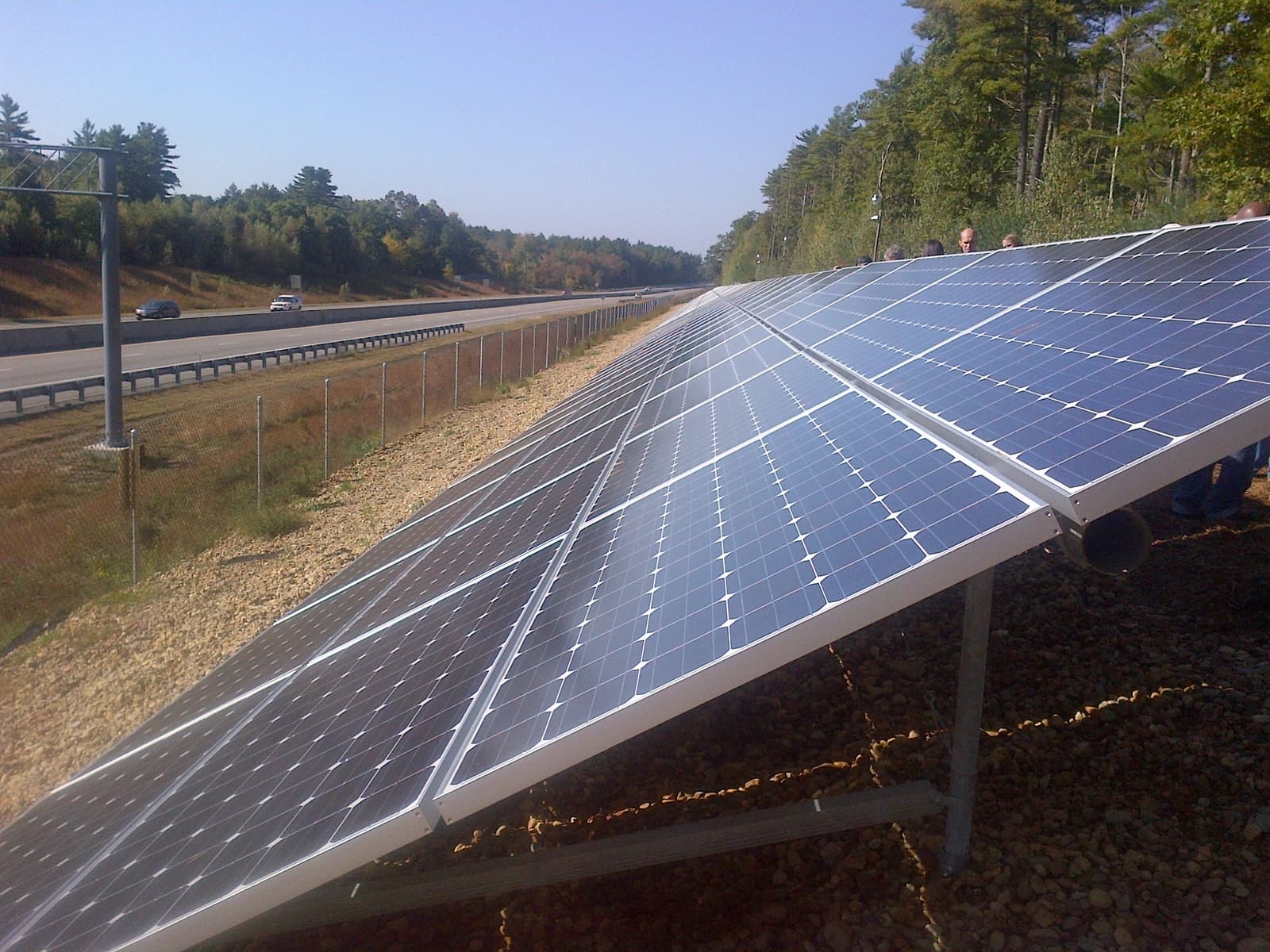
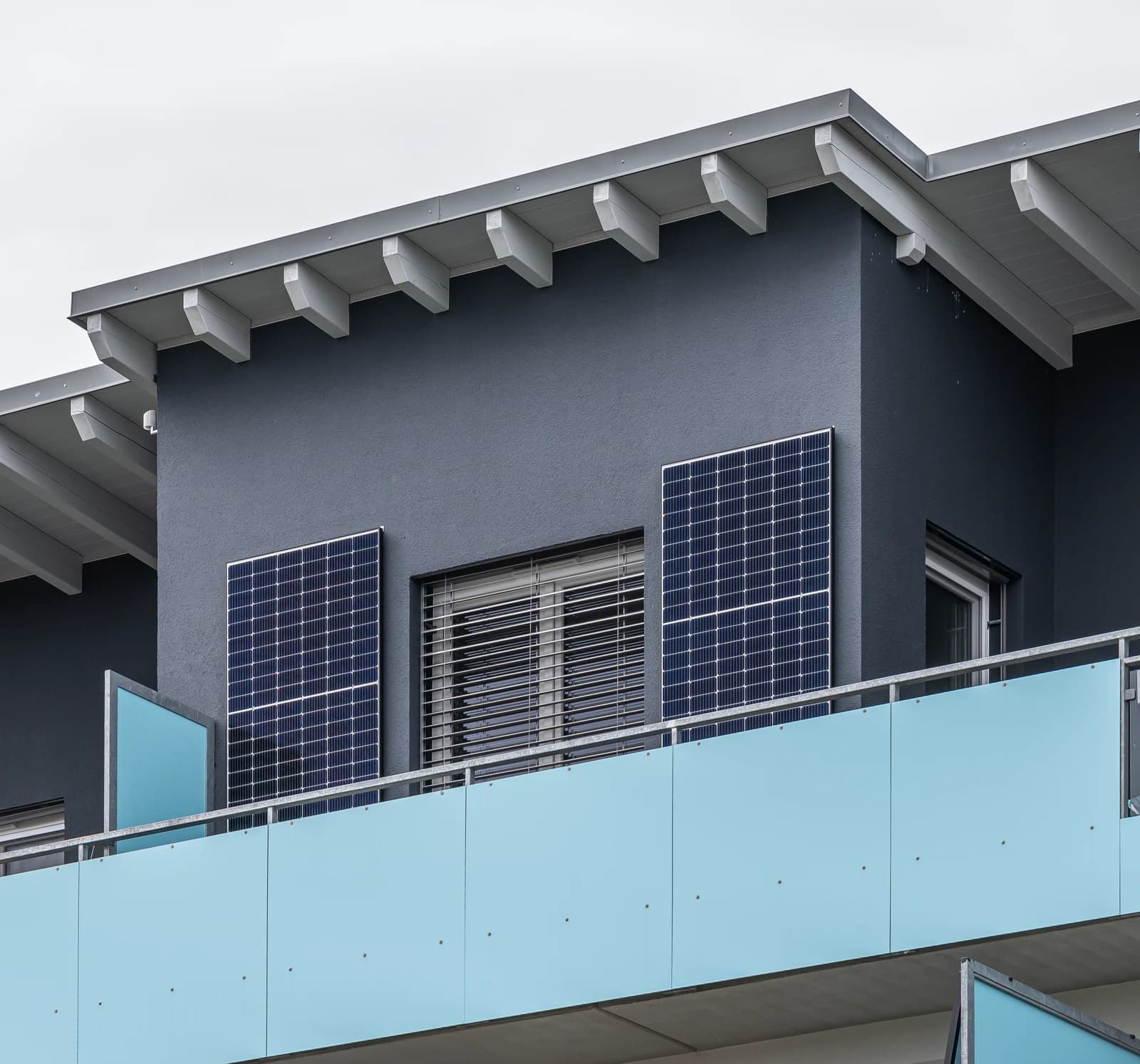
A University of Colorado State-led rooftop trial in Denver shows saffron can be grown profitably beneath semi-transparent solar panels, doubling flower and stigma output while adding electricity revenue to a crop already prized as the world’s most expensive spice.
Denver rooftop trial grows saffron under solar panels
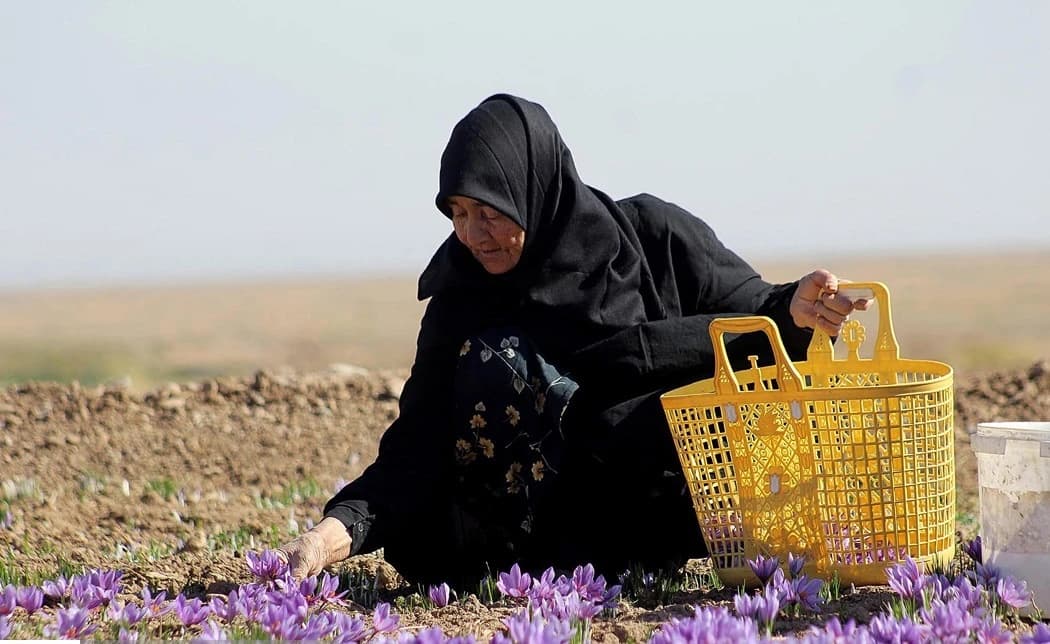
The finding matters because it points to a way urban rooftops can produce two cash flows from the same square footage: clean power and a high-value agricultural product. In a market where saffron is harvested by hand and roughly 150 flowers are needed to make just 1 gram of dried spice, any method that lifts yields without adding much land has immediate economic appeal.
Sentiment IndicatorsⓘProprietary · adalytica.com · September 30, 2026
This is a snapshot — live sentiment, awareness and momentum for 130+ markets update continuously in the dashboard.Open AlphaPulse

Researchers used panels that let through about 30% to 40% of sunlight, creating a cooler microclimate that reduced heat stress and water loss. The crop beneath the panels produced twice as many flowers per square meter as the open-air plots on the same roof, suggesting that partial shade can be an asset rather than a drawback for saffron production.
The financial case is what pushes the experiment beyond novelty. The team modeled a five-year rooftop installation of 46 kilowatts and estimated more than $60,000 in net returns from saffron sales, bulb offshoots and electricity generation combined. For investors, that puts a premium niche crop inside a broader distributed-energy thesis: rooftops can earn from both food and power.
That crossover also fits a wider push into agrivoltaics, where solar developers and growers try to share land instead of competing for it. The appeal is strongest in cities, where rooftop space is scarce, grid power has value and specialty crops can command margins that justify labor-intensive harvesting.
For solar companies, the model could open a small but higher-value application for semi-transparent modules. For growers, it offers a way to offset weather and water risk with onsite power sales. The next test is whether the Denver results hold up across seasons and other high-value crops, and whether the economics stay intact once real-world installation, maintenance and labor costs are fully counted.
| Entity | Gains | Losses |
|---|---|---|
| Rooftop growers | ▲Higher yield per square foot | ▼More complex harvesting |
| Solar developers | ▲New niche agrivoltaic demand | ▼Lower-light panel tradeoffs |
| Urban landowners | ▲Dual revenue streams | ▼Upfront installation costs |
| Conventional open-field saffron farms | ▲— | ▼Competitive pressure on margins |