Colorado Springs Utilities has approved a 2027 budget that trims capital spending but still points to higher customer bills as the public utility shifts the timing and location of a major new gas-fired power plant.
Colorado Springs Utilities 2027 budget, gas plant relocation
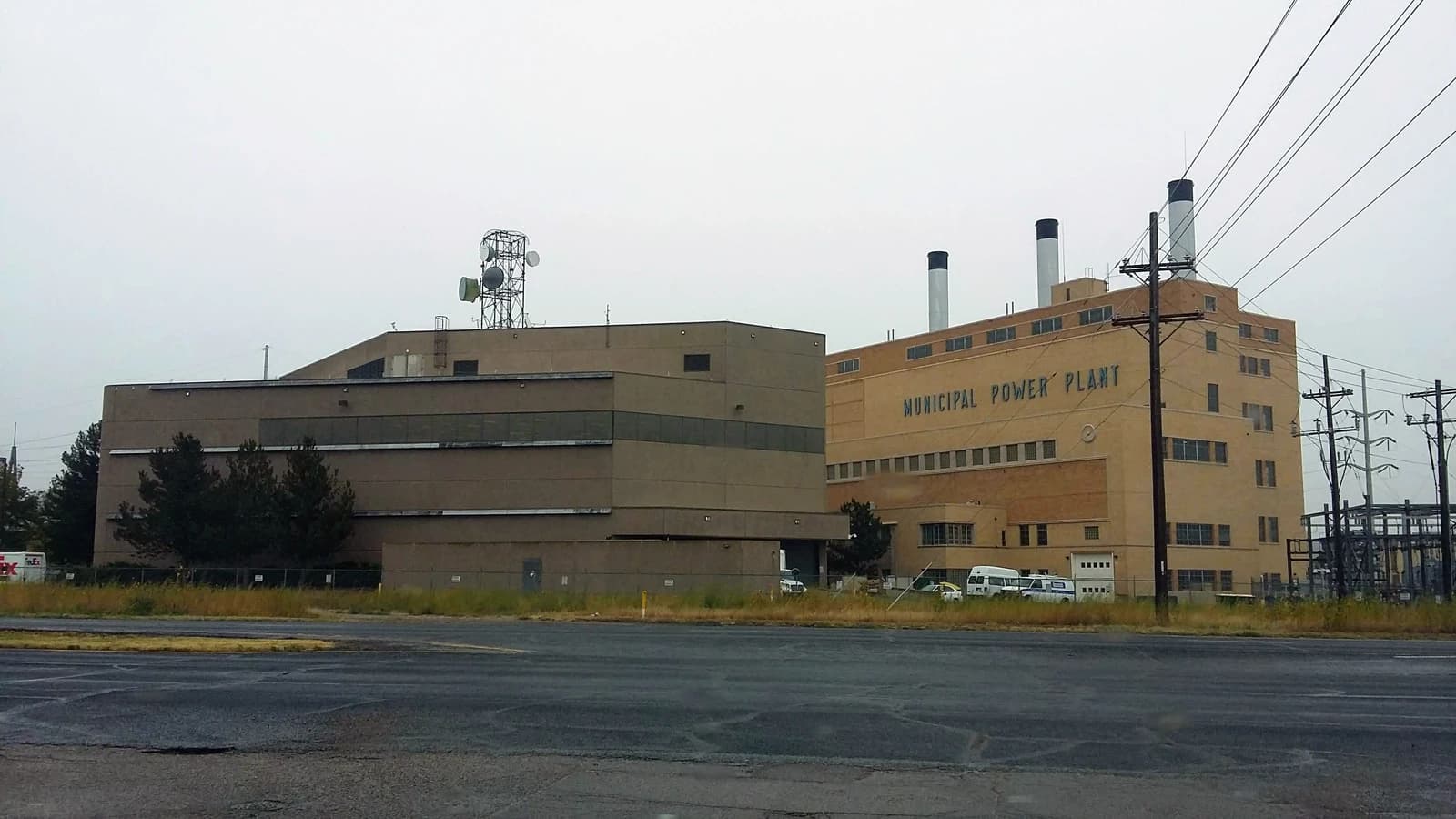
The board’s preliminary approval of the $2 billion plan makes the utility’s near-term investment program look smaller than 2026’s $2.24 billion budget, but the reduction is less a sign of retrenchment than of deferral. The biggest change is the relocation of the proposed natural gas plant from near the Colorado Springs Airport to Williams Creek, southeast of Fountain, which pushes much of the construction spending into 2028 and raises the project cost by as much as $300 million.
Sentiment Indicators
That combination matters because utilities are balancing two competing pressures: keeping rates competitive while funding the generation and grid build-out needed to meet demand growth and reliability standards. Colorado Springs Utilities said the average monthly bill will rise from $242 to $258 next year, even after the lower capital budget, reflecting the lagged impact of a 2024 rate increase. For households, the message is that lower planned spending does not automatically mean lower bills; for the utility, it suggests rate relief is constrained by prior approvals and the scale of long-cycle infrastructure projects.
The capital plan also underscores how permitting and siting risk can alter utility economics. The airport-adjacent location was dropped after a Federal Aviation Administration study raised concerns about plume interference, a reminder that major energy assets face not just construction and financing costs but also regulatory and operational constraints that can reshape budgets years before the plant enters service. Extending water and wastewater infrastructure to the new site adds to the cost, but the relocation may reduce execution risk by removing a politically and technically sensitive site from the plan.
For investors, the relevance is broader than a single municipal utility. Across the regulated power sector, capital intensity remains the central theme, and the question is not whether utilities will spend, but when and how that spending is recovered through rates. The Colorado Springs plan reflects the same dynamic seen across larger peers: deferred capex can smooth one year’s budget, but it can also create a heavier spending and rate-recovery profile later. That tends to support the long-term earnings base of regulated utilities, while keeping pressure on affordability and local political scrutiny.
The board’s approval still needs final sign-off from Colorado Springs City Council, expected by the end of November. Investors and ratepayers will be watching whether council members press for more detail on the Williams Creek project and whether the utility can preserve its claim that its electric rates remain below many Front Range competitors, particularly for commercial and industrial users.
The other notable decision Wednesday was the approval of a fiber-network arrangement in which gFiber will replace Ting as the main company using the utility’s broadband infrastructure. That may improve utilization of existing assets, but the dominant story remains the same: Colorado Springs Utilities is trying to fund a multi-year capacity build without letting rates drift too far beyond what customers and local officials will accept.
| Entity | Gains | Losses |
|---|---|---|
| Colorado Springs Utilities | ▲Defers capex pressure | ▼Faces higher project costs |
| Customers | ▲Lower rates than peers | ▼Higher monthly bills |
| City Council | ▲More time to review plan | ▼More political scrutiny |
| gFiber | ▲Replaces Ting on network | ▼Ting loses primary role |