Georgetown is pulling back on capital spending and pushing out a planned bond election after weaker property valuations slashed the city’s borrowing power, a warning sign for Texas municipal issuers that had been counting on relentless tax-base growth.
Georgetown delays bond election after property values fall
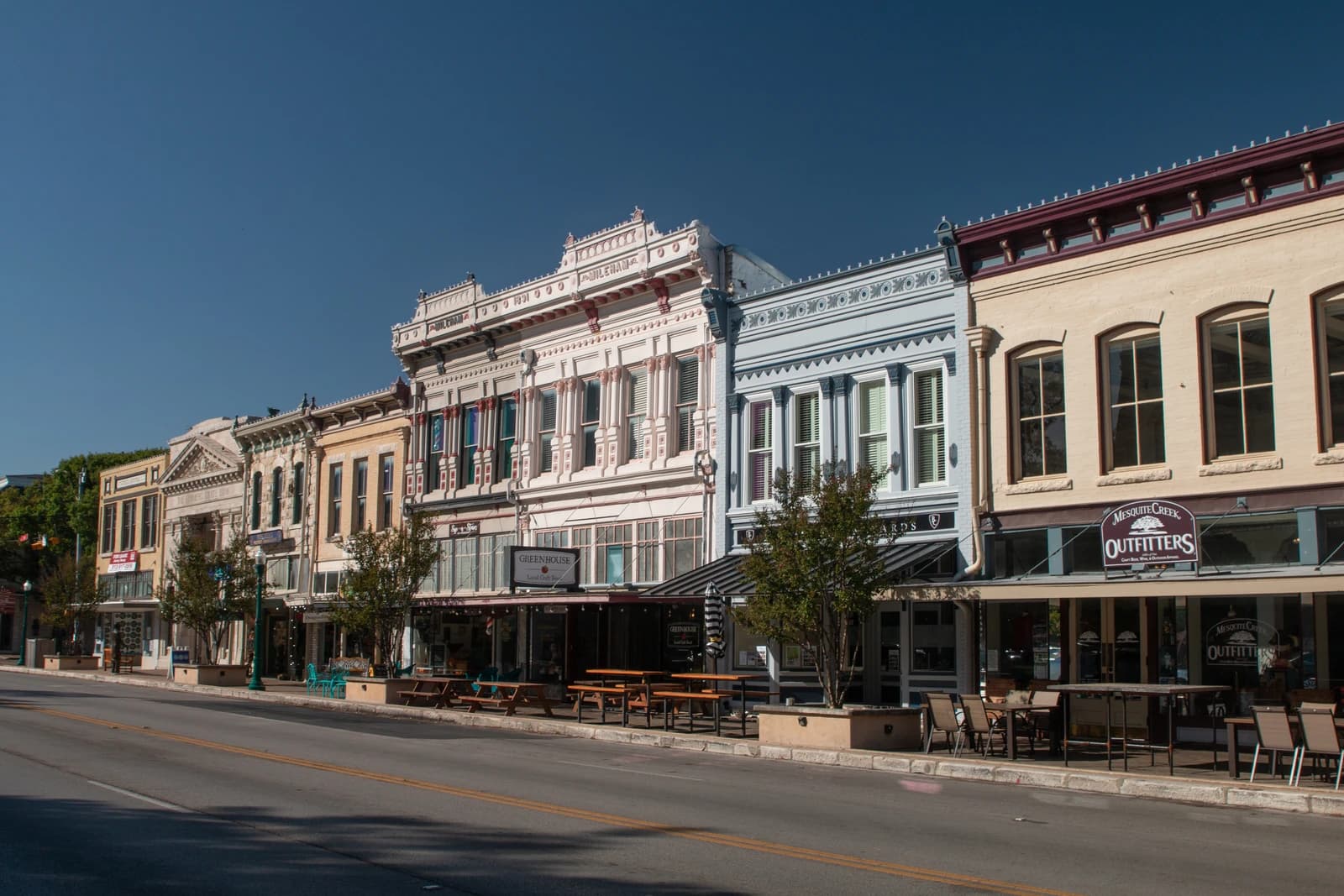
The city said certified property values for 2026 fell 1.8% instead of rising the 8% officials had projected, cutting debt and spending capacity by almost $100 million over the next three fiscal years. That forced council members to delay several parks and recreation projects, preserve room for road work already underway, and postpone a May 2027 bond election by at least a year.
Sentiment Indicators
For investors, the key issue is not just a local budgeting adjustment. It is a reminder that even fast-growing Sun Belt cities can see financing plans break when the property-tax machine slows. Higher interest rates and a more temperamental housing market make that risk more expensive: Georgetown’s ability to fund amenities, roads and public safety projects now depends on a tax base that is no longer rising as quickly as planners assumed.
The revised schedule pushes Blue Hole Park construction into fiscal 2027-28, delays the recreation center renovation and expansion to FY 2028-29, and moves the final year of 2015 Road Bond sidewalk work to FY 2028-29. The $12 million animal shelter expansion remains on track for FY 2026-27, while design work for Fire Station No. 9 is deferred to FY 2029-30.
That sequencing matters. Cities typically use long-term debt to smooth out infrastructure spending, but when assessed values undershoot expectations, the trade-off becomes immediate: either slow capital plans or stretch balance sheets in a less forgiving rate environment. The 10-year Treasury was trading near 5%, keeping municipal borrowing costs elevated, while municipal bond funds such as the iShares National Muni Bond ETF, VTEB, have been firm but still reflect a market sensitive to supply and rate pressure.
Georgetown’s move is also a signal for the broader municipal bond market. In a period when investors are hunting for tax-exempt income, credit quality is increasingly about revenue visibility, not just geography. Fast-growing suburbs can look resilient until property assessments flatten, and then the debt timetable has to be rewritten. That makes disciplined issuers more attractive than aggressive growth stories.
The city will continue preliminary design work on bigger-ticket items including Fire Station No. 9, Hwy. 29 East and the SW Bypass so they can move when funding opens up. Georgetown also plans to revisit the timing of a bond election next summer, after updated property valuations arrive.
For investors, the takeaway is clear: slower valuation growth is a cap on municipal expansion, and the market underestimates how quickly that can force project deferrals. In this environment, I would favor high-quality munis and issuers with stable tax bases over the growth-dependent stories that still assume the last decade’s property boom will keep funding the future.
| Entity | Gains | Losses |
|---|---|---|
| Georgetown taxpayers | ▲slower debt growth | ▼delayed projects |
| Existing road bond work | ▲continued funding priority | ▼parks/recreation timeline |
| High-quality muni issuers | ▲relative appeal | ▼growth-dependent suburbs |
| VTEB holders | ▲safer muni demand | ▼less upside from expansionary issuance |