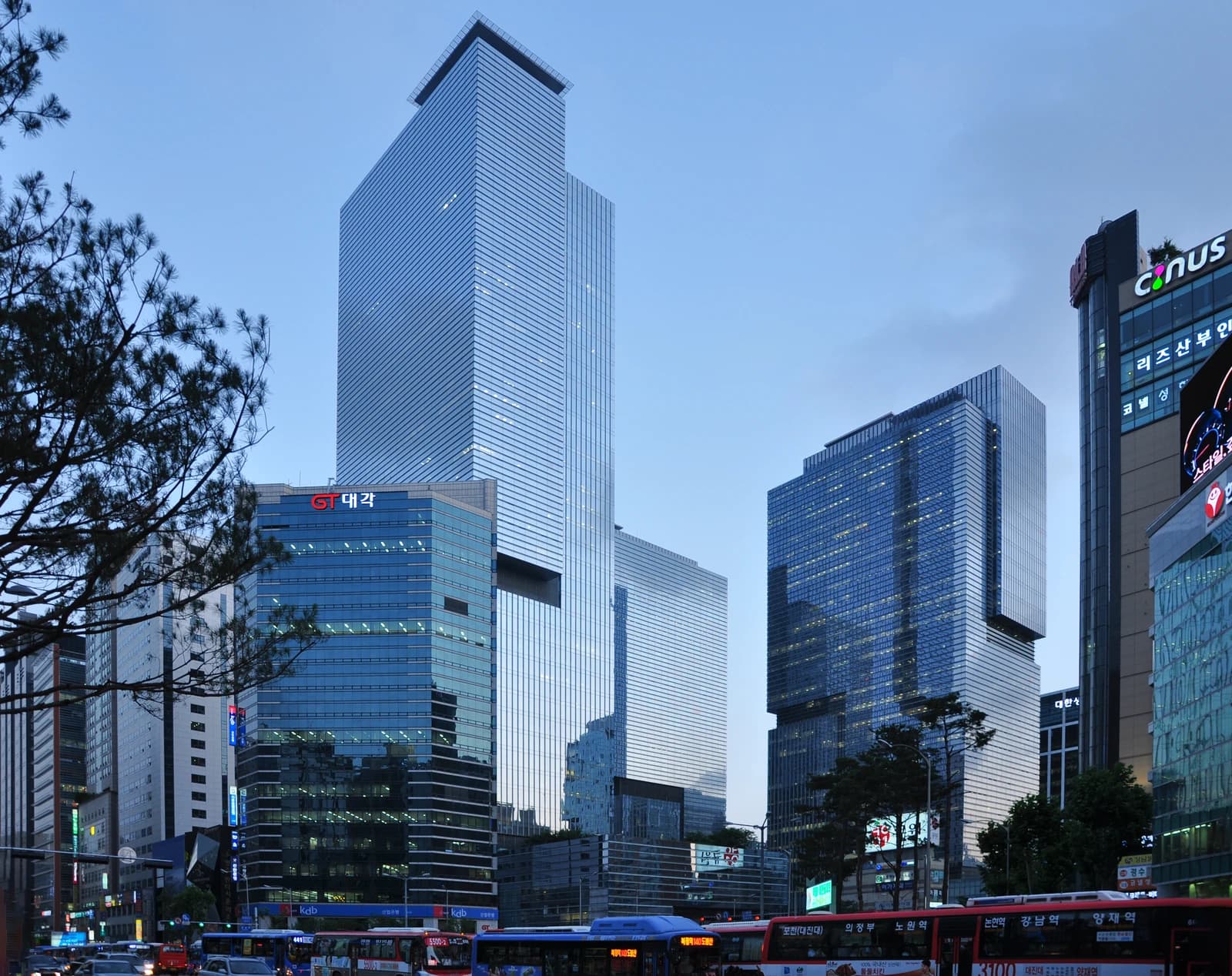
Seoul’s long-delayed reconstruction excess-profit levy is finally moving from theory to cash cost, and the first Gangnam-area bill could land this year — a shift already distorting apartment prices, slowing deals and raising fears of a supply squeeze in the capital’s most expensive housing market.
Seoul Gangnam Reconstruction Levy Reaches First Bill
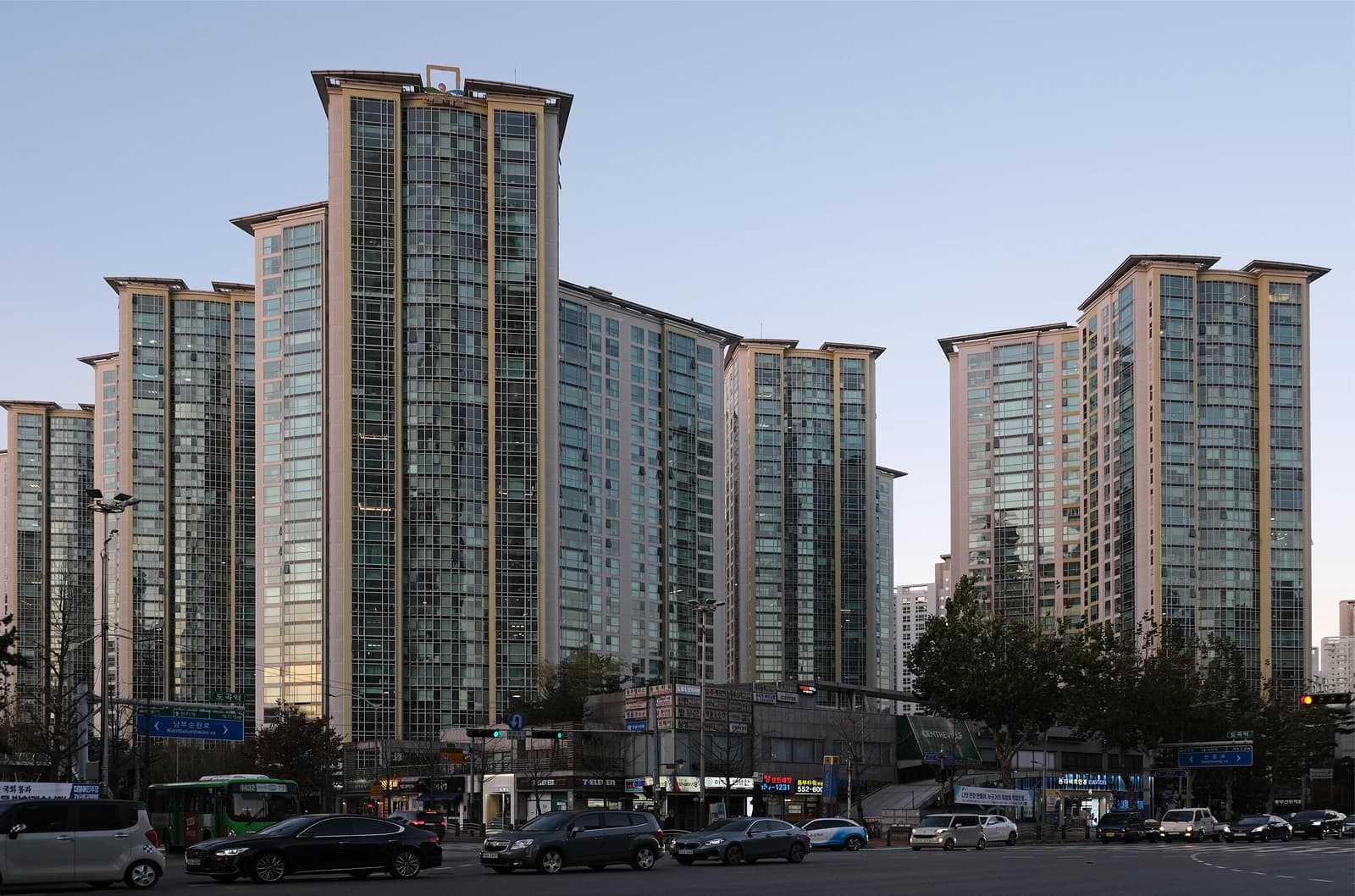
The immediate flashpoint is Seocho District’s plan to assess the levy on Banpo Hyundai, the first major “Gangnam No. 1” case, after years in which the tax was widely seen as effectively dormant. If the charge is imposed as expected, it would set a precedent for more than 60 reconstruction complexes nationwide that are awaiting assessment, including 46 in Seoul alone.
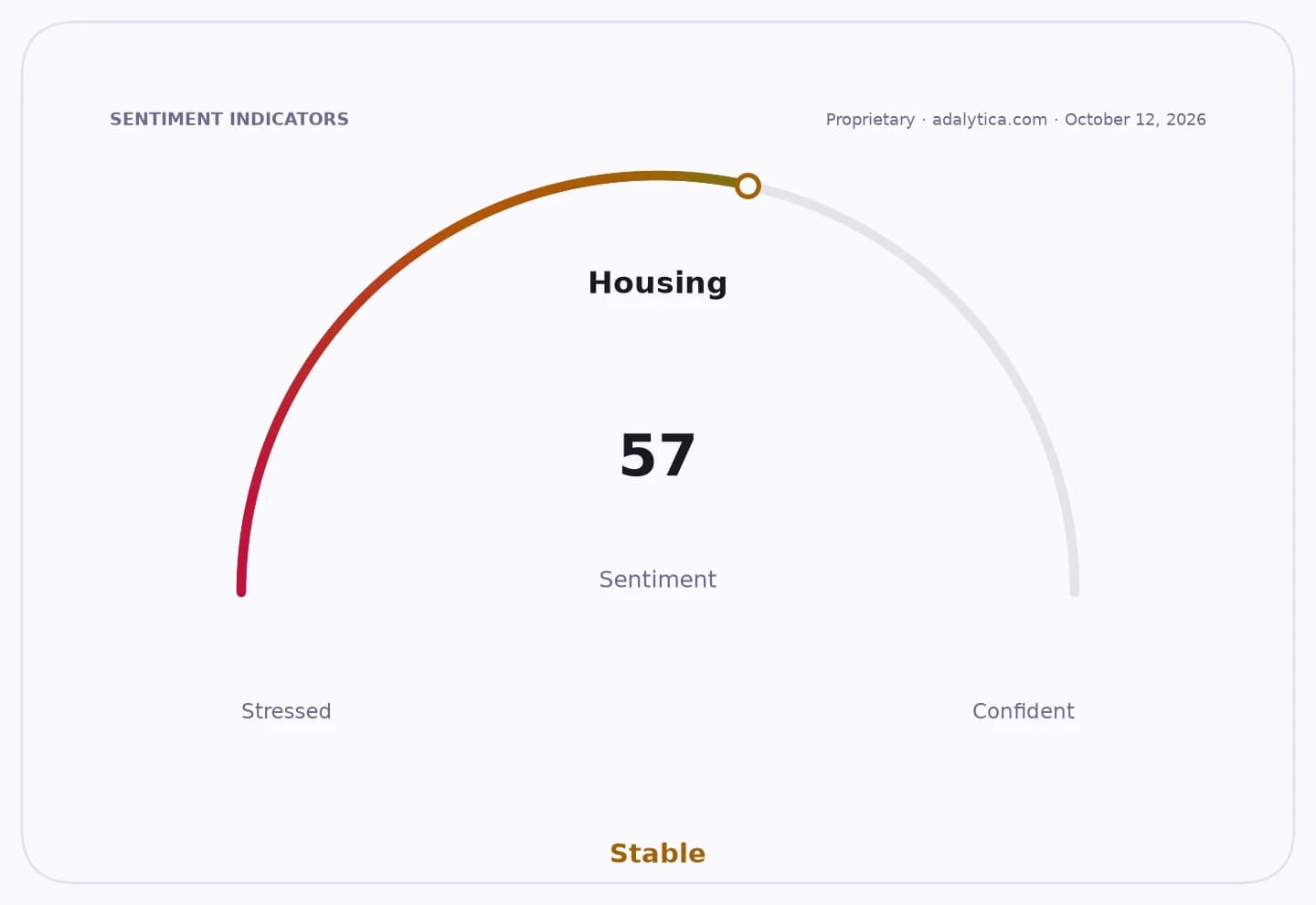
Sentiment Indicators
The policy matters economically because it turns an abstract future liability into a present transaction cost for one of South Korea’s key housing pipelines. Reconstruction projects are already under pressure from higher construction costs; adding a potentially large levy makes it harder for associations to finance projects, settle among members and move units through the market.
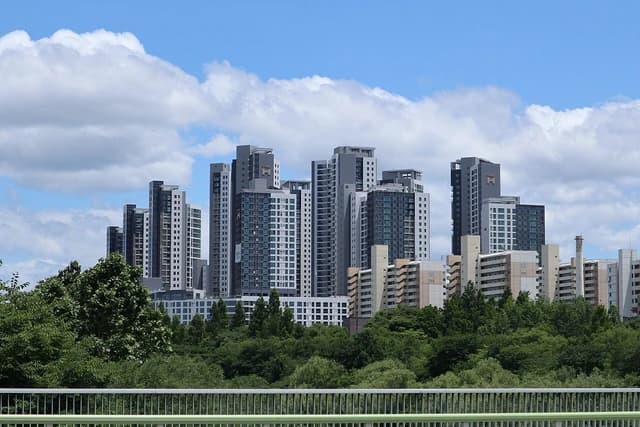
The impact is already visible in Banpo Raemian Trini-One, which began moving in August. Brokers say identical 84-square-meter units are showing a gap of more than 180 million won depending on whether the seller or buyer is expected to shoulder the reconstruction levy, with some listings around 5.15 billion won and others near 5.7 billion won under different tax assumptions.
Housing
In the market, the uncertainty has created a two-tier pricing structure. Local agents say some owners are offering to absorb the levy to keep deals alive, but buyers are still balking because the final bill has not been fixed. A previously issued estimate put the average charge at 420 million won per household, but brokers and residents now fear it could reach as much as 700 million won given the surge in apartment prices and sale prices in the area.
Seocho District says it wants to move before the claim expires under a five-year statute of limitations, while the Land Ministry argues the revised law allows assessments through 2029. That legal disagreement raises the odds of court fights, and reconstruction associations are already threatening injunctions and administrative lawsuits if bills are issued.
For investors and the broader housing market, the bigger issue is supply. Analysts warn that if the levy is enforced aggressively, some Seoul and new-town reconstruction projects could be delayed or scaled back, tightening future apartment supply in already constrained central districts. That would support prices in prime neighborhoods, but also deepen affordability pressure and keep monthly-rent conversion trends in place as more households are pushed away from lump-sum lease contracts.
With reconstruction associations preparing legal challenges and local governments beginning to act, the next catalyst is whether Seocho actually delivers the first bill on Banpo Hyundai and how courts interpret the timing rule. That outcome will likely determine whether Seoul’s reconstruction market absorbs the levy as a one-off burden or treats it as a new structural brake on redevelopment.
| Entity | Gains | Losses |
|---|---|---|
| Seocho District / local tax authorities | ▲levy revenue and precedent | ▼legal risk and backlash |
| Existing reconstruction homeowners | ▲possible price support if costs shift | ▼higher charges, lower liquidity |
| Apartment buyers in Gangnam | ▲clearer pricing only if bills are fixed | ▼larger upfront cost |
| Seoul housing supply pipeline | ▲none in the short term | ▼delays, weaker redevelopment flow |