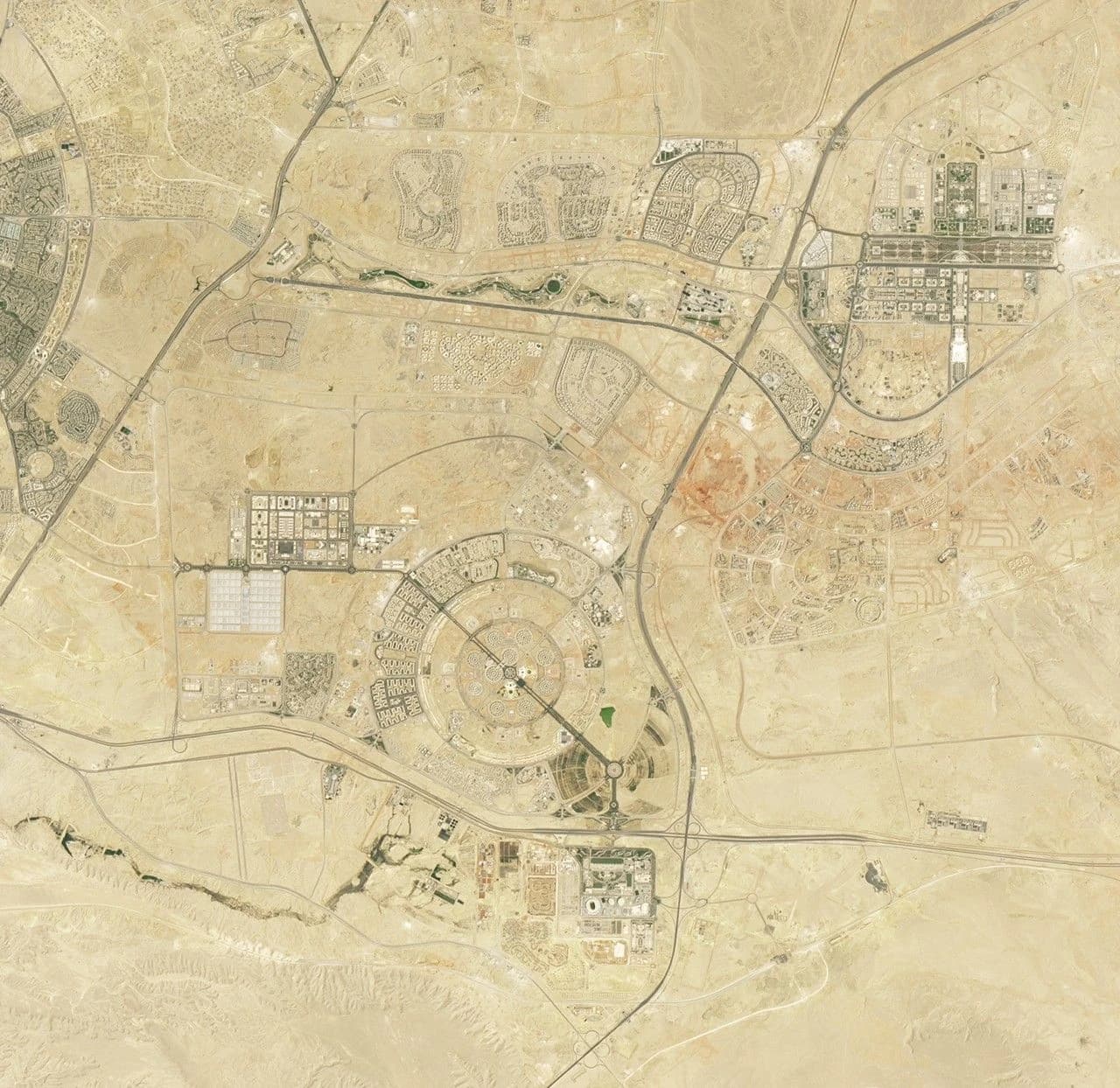
New Minya’s latest infrastructure push is aimed at doing more than improving roads and utilities: it is meant to unlock investment, clear bottlenecks to housing delivery and make the city more attractive to developers and residents.
New Minya expands infrastructure and housing projects
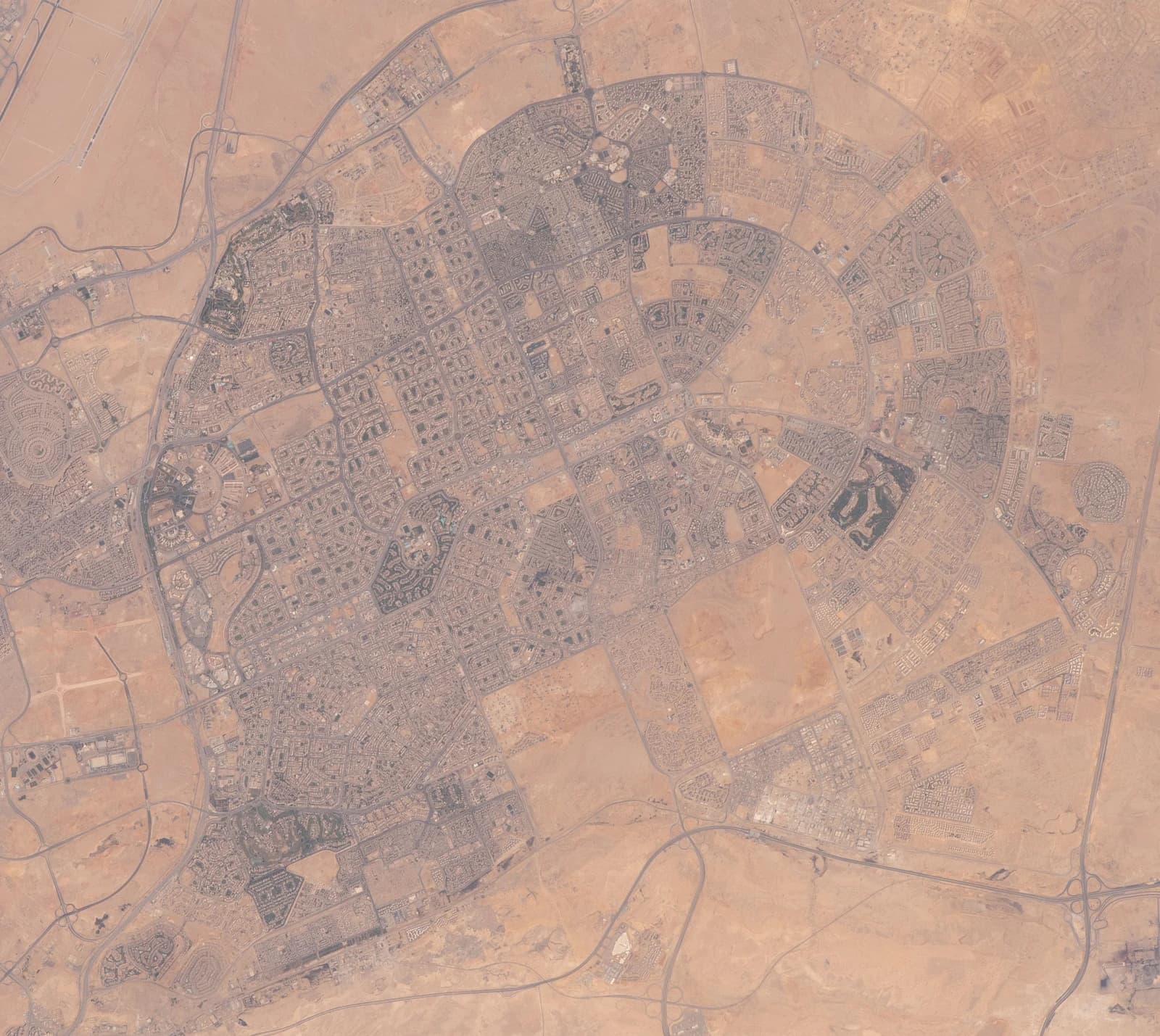
The city’s development authority says it is pressing ahead with electricity, water, sewerage and road works worth billions of pounds, while also accelerating social and middle-income housing, recovering state land and stepping up enforcement against building violations. For investors, that combination points to a more bankable urban growth story, where public spending on basic infrastructure is being used to raise land values and support private activity.
At the center of the plan is a broad buildout of services across the city’s expanding neighborhoods. Officials said they are completing utility networks tied to major residential schemes, including 71 social-housing buildings in the sixth phase of Egypt’s “Housing for All Egyptians” program, plus a green-housing phase with 64 buildings and supporting services such as a school and kindergarten.
The authority also said it has finished the fifth phase of the same housing initiative, which included 32 low-income buildings and six middle-income buildings, alongside a commercial market with eight shops. Another 21-building “Diarna” project has been completed, adding 546 units. That pace matters because housing supply in Egypt’s new cities is closely tied to infrastructure readiness; without roads, power and water, units are harder to hand over and monetize.
Utility works are widening beyond housing. The city is building a tertiary wastewater treatment plant with a design capacity of 40,000 cubic meters a day, expanding the main sewage station and extending networks to new districts, including the 1,360-feddan extension and the most premium 150-feddan land zone. Officials also said a 300-millimeter main water line is being laid for the third tourist area, where land deliveries are due to begin in November 2026.
Roads and public works are moving in parallel, with asphalt, curbs, sidewalks and traffic-safety works under way across several districts. In the social housing area, asphalt works for 32 buildings are said to be 95% complete, while the city is also upgrading entrances, internal streets and the ring road around the “Ibn Beitak 3” area.
The investment angle is becoming more explicit. The authority said it has offered more than eight investment opportunities in university, commercial, administrative and medical uses, and handed over nine investment plots across different parts of the city. That is important for market participants because new-city economics in Egypt depend on converting state-owned land into income-producing assets, with utilities and transport links serving as the catalyst.
Officials are also tightening control over the urban footprint. More than 30 stop-work orders were issued against illegal residential buildings, while enforcement actions targeted unauthorized rooftop additions, unlicensed commercial activity and encroachments on state land. In July and September, authorities said they recovered a combined 260 feddans in the tree-grove area, reinforcing the government’s effort to keep development land available for formal projects.
The broader implication is that New Minya is being positioned as a controlled-growth urban corridor rather than a speculative expansion zone. If the infrastructure timetable holds, the city could draw more private capital into housing, retail, education and healthcare assets; if delays persist, delivery of the completed units and plots could slip, tying up capital and slowing returns.
| Entity | Gains | Losses |
|---|---|---|
| New Minya development authority | ▲Stronger investment appeal | ▼Higher execution burden |
| Developers and contractors | ▲More project pipeline | ▼Tougher compliance checks |
| Homebuyers and residents | ▲New housing and services | ▼Delays if utilities lag |
| Illegal occupiers/speculators | ▲— | ▼Land recovery and enforcement |