Vietnam’s housing market is stuck in the worst kind of correction: prices are slipping, but transactions are still collapsing, showing that cheaper listings alone are not enough to revive demand.
Vietnam housing sales fall as prices slip
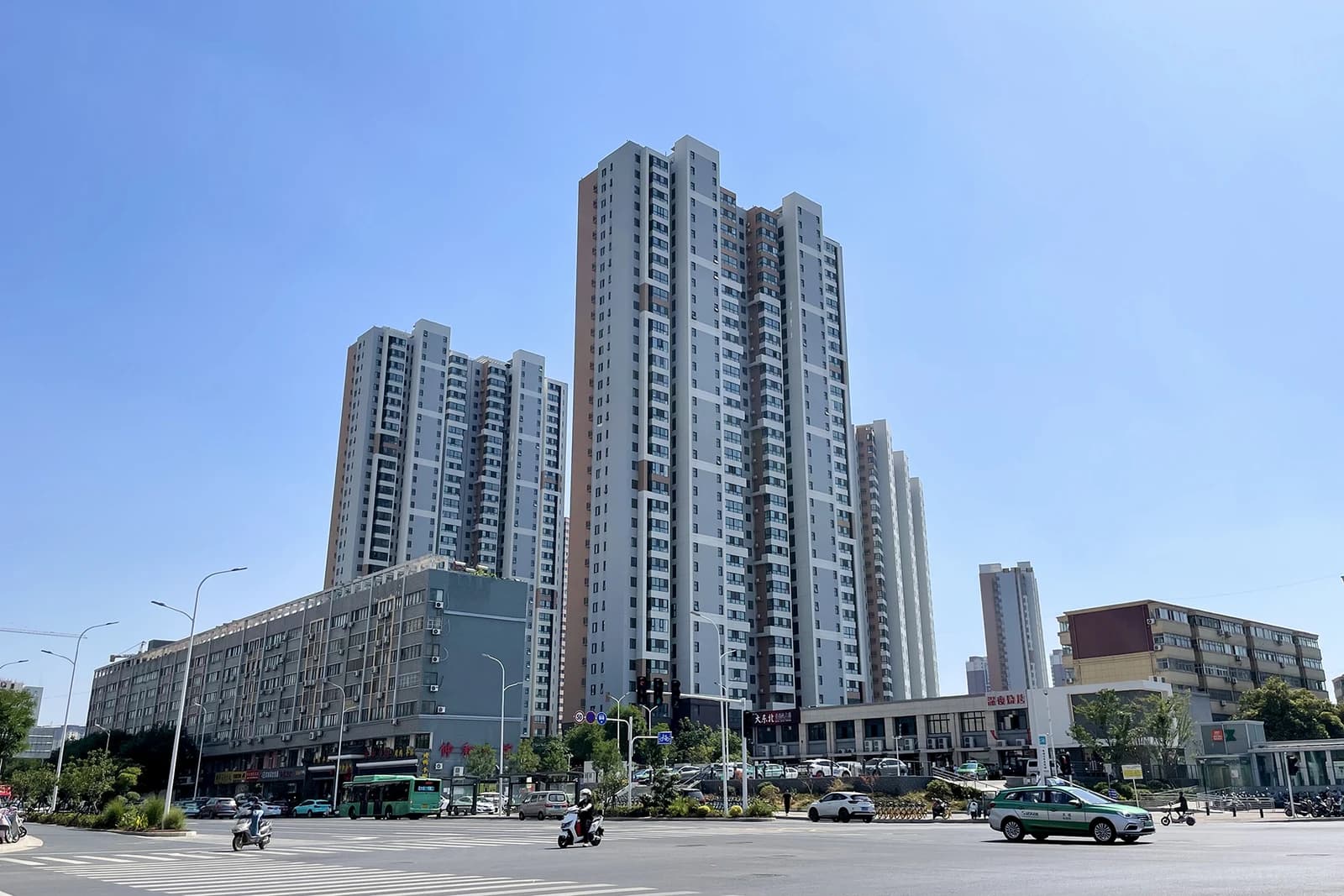
That is the key takeaway from the Ministry of Construction’s third-quarter report, which showed nationwide sales of apartments and detached homes fell 14% from the previous quarter to 22,847 units, while land transactions dropped 6% to 69,157 plots. In Hanoi, primary apartment deals plunged 76% quarter on quarter to about 1,700 units, and in Ho Chi Minh City they sank 83% to roughly 1,600 units. Secondary-market discounts of 20% to 30% are still failing to clear inventory in some cases.
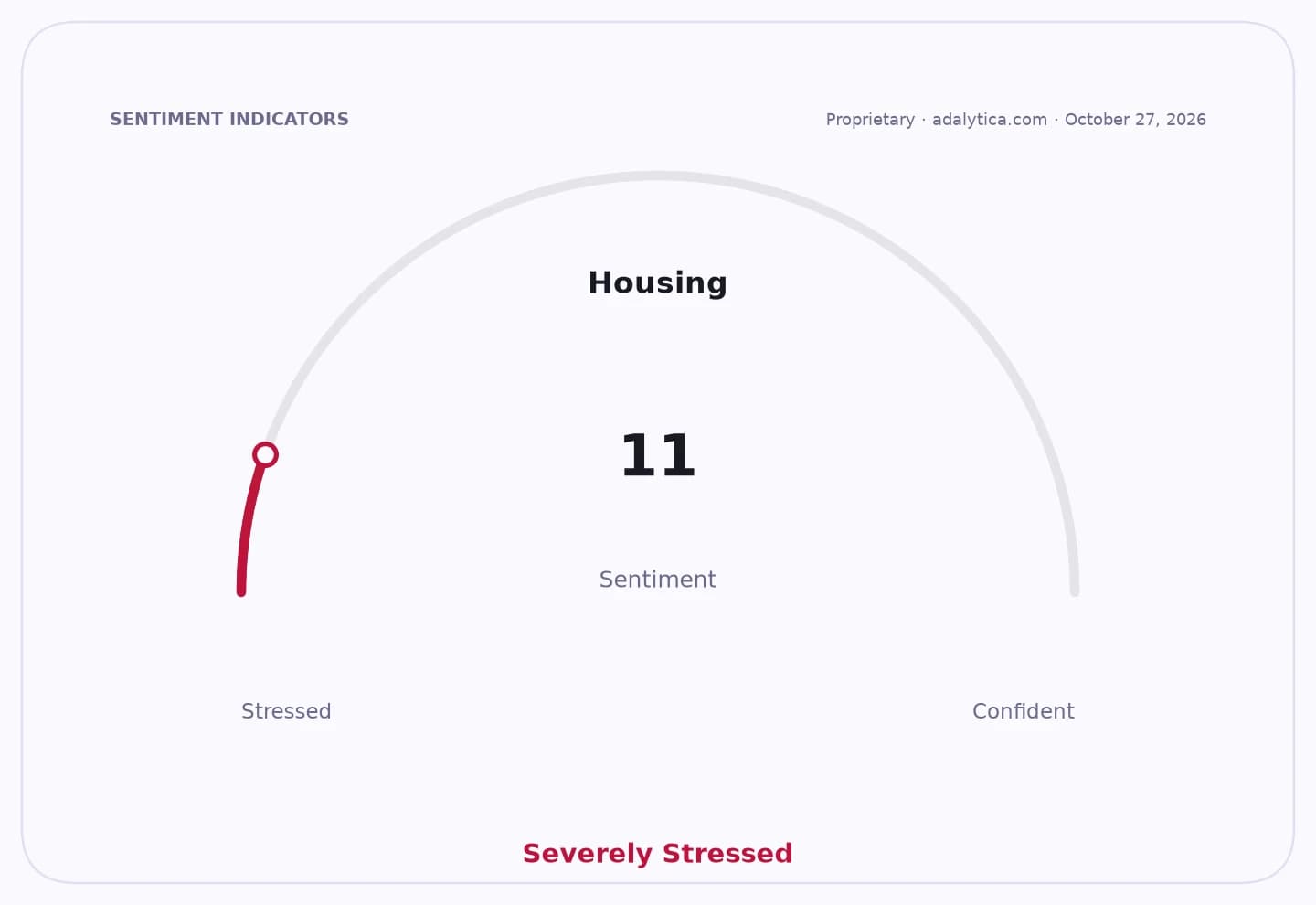
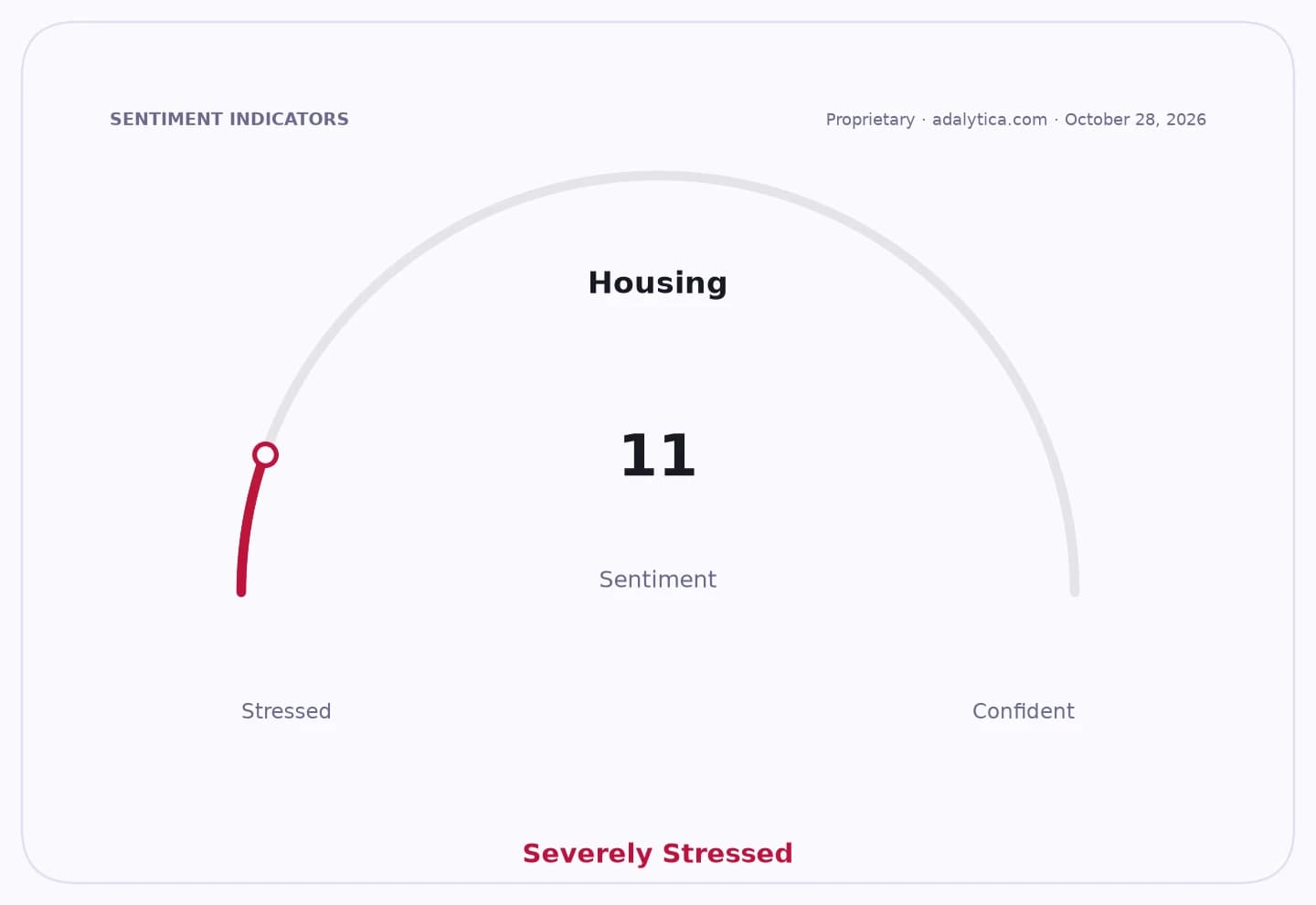
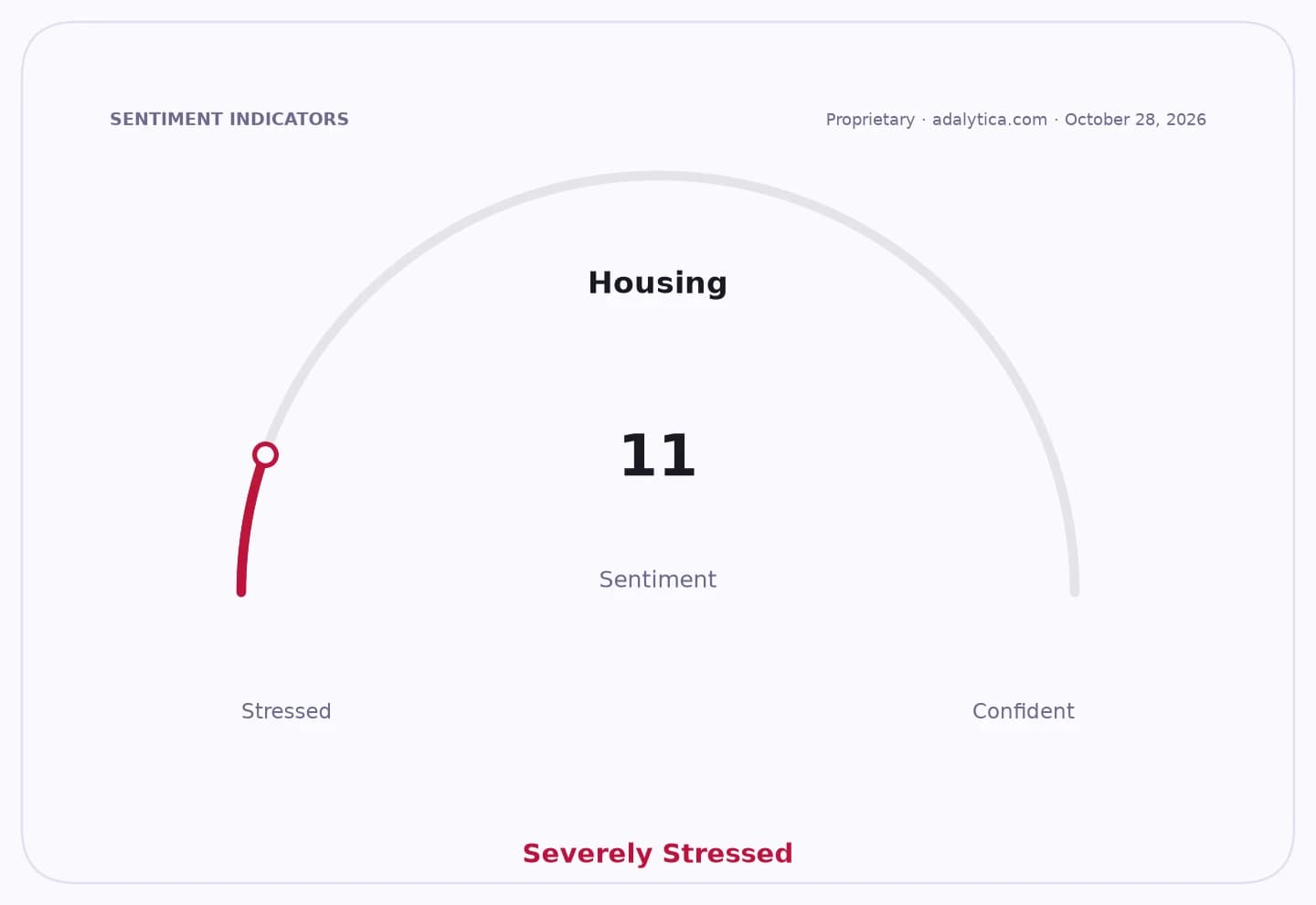
Sentiment Indicators
Economically, this is more than a property-market slump. It is a signal that Vietnam’s urban housing stock remains mispriced against household incomes, credit conditions and borrowing risk. Even where sellers cut prices, the gap between asking levels and what buyers can afford remains too wide, especially in a market still dominated by high-end supply. The result is a liquidity squeeze that keeps capital frozen in unsold apartments instead of circulating through construction, materials, consumer spending and local employment.
The market is also being held back by mortgage math. Buyers are increasingly wary of floating rates after introductory periods end, and that caution matters because the home purchase decision is not just about the sticker price. It is about whether monthly payments will overwhelm family budgets if rates rise. When financing is uncertain, price cuts do not automatically create demand — they can instead expose how dependent the market was on leverage at the peak.
That is why the implications reach well beyond developers. Real estate firms are facing cash flow strain, slower collections and a greater risk of payment stress if the slowdown drags on. HoREA, the Ho Chi Minh City Real Estate Association, warned that weak demand is already pressuring liquidity and could threaten solvency for some developers if it persists. For investors, that points to a sector where balance-sheet strength, land-bank quality and exposure to affordable housing matter far more than headline sales rebounds.
The bigger structural problem is supply mix. New projects are still skewed toward luxury units, while social housing and affordable rental stock remain short of demand from middle- and lower-income buyers. That imbalance helps explain why price drops have not translated into a broad recovery. In a healthy market, falling prices should unlock pent-up demand. Here, they are mostly revealing how far the market has drifted from local purchasing power.
For investors, the message is straightforward: the real opportunity is not in chasing a quick turnaround in premium residential developers, but in positioning for policies and capital allocation that favor affordability, not speculation. That means watching for beneficiaries in social housing, low-cost building materials, mortgage finance and developers with product lines aligned to real end-user demand. If Vietnam wants a durable property recovery, it will need more than discounts — it will need a reset in supply, credit access and affordability.
| Entity | Gains | Losses |
|---|---|---|
| Affordable housing developers | ▲Policy tailwind | ▼Luxury-focused peers |
| Mortgage lenders | ▲Repriced demand if rates stabilize | ▼Borrowers facing floating-rate risk |
| Buyers with cash | ▲Better negotiating power | ▼Highly leveraged speculators |
| Vietnam developers overall | ▲Chance to reset inventory | ▼Liquidity and solvency pressure |