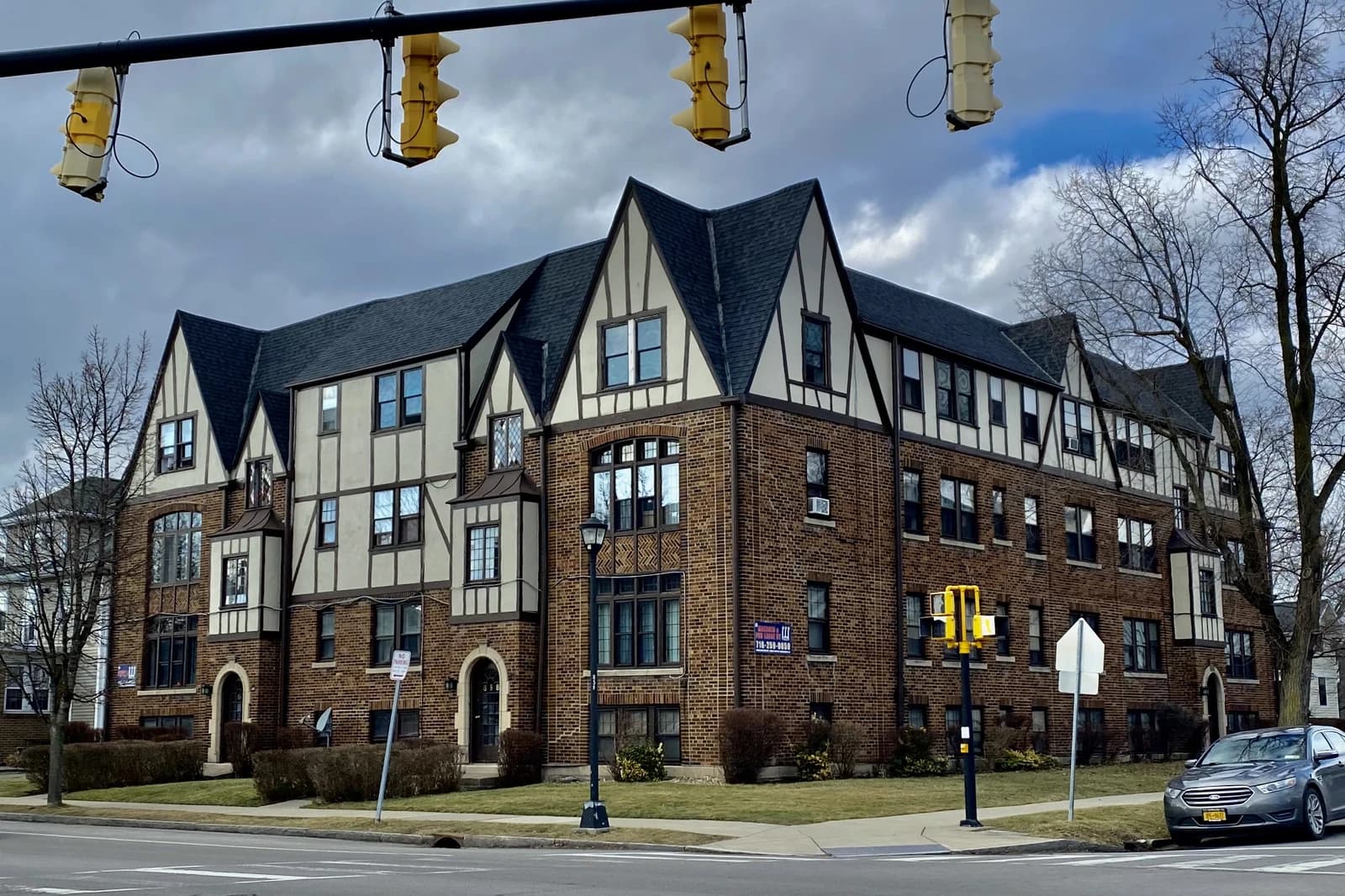
Some property owners in Hanoi’s Thanh Ha urban area are rushing to sell adjacent houses and villas as higher borrowing costs and construction bills squeeze cash flow, putting pressure on a market that has already risen roughly five to six times from its original sale levels.
Thanh Ha sellers rush to sell as costs rise
The clearest new signal is not that Thanh Ha prices are still high, but that the market’s next phase is being shaped by forced selling rather than speculative buying. A 100-square-meter adjacent house is being offered at 10.5 billion dong, or about 105 million dong per square meter, while a 200-square-meter villa is listed at 17 billion dong, showing that even after years of gains, liquidity is uneven and sellers are discounting to raise cash quickly.
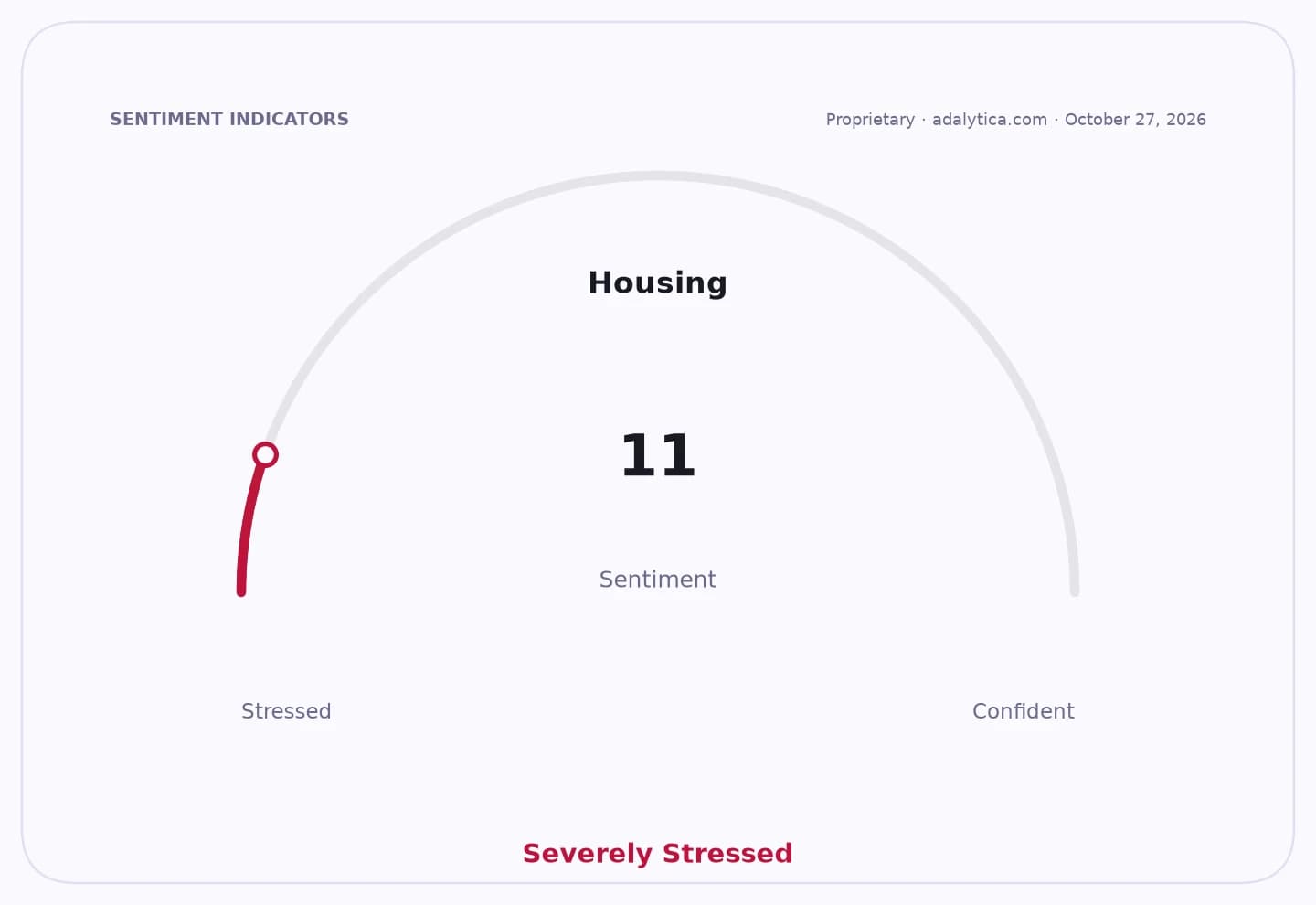
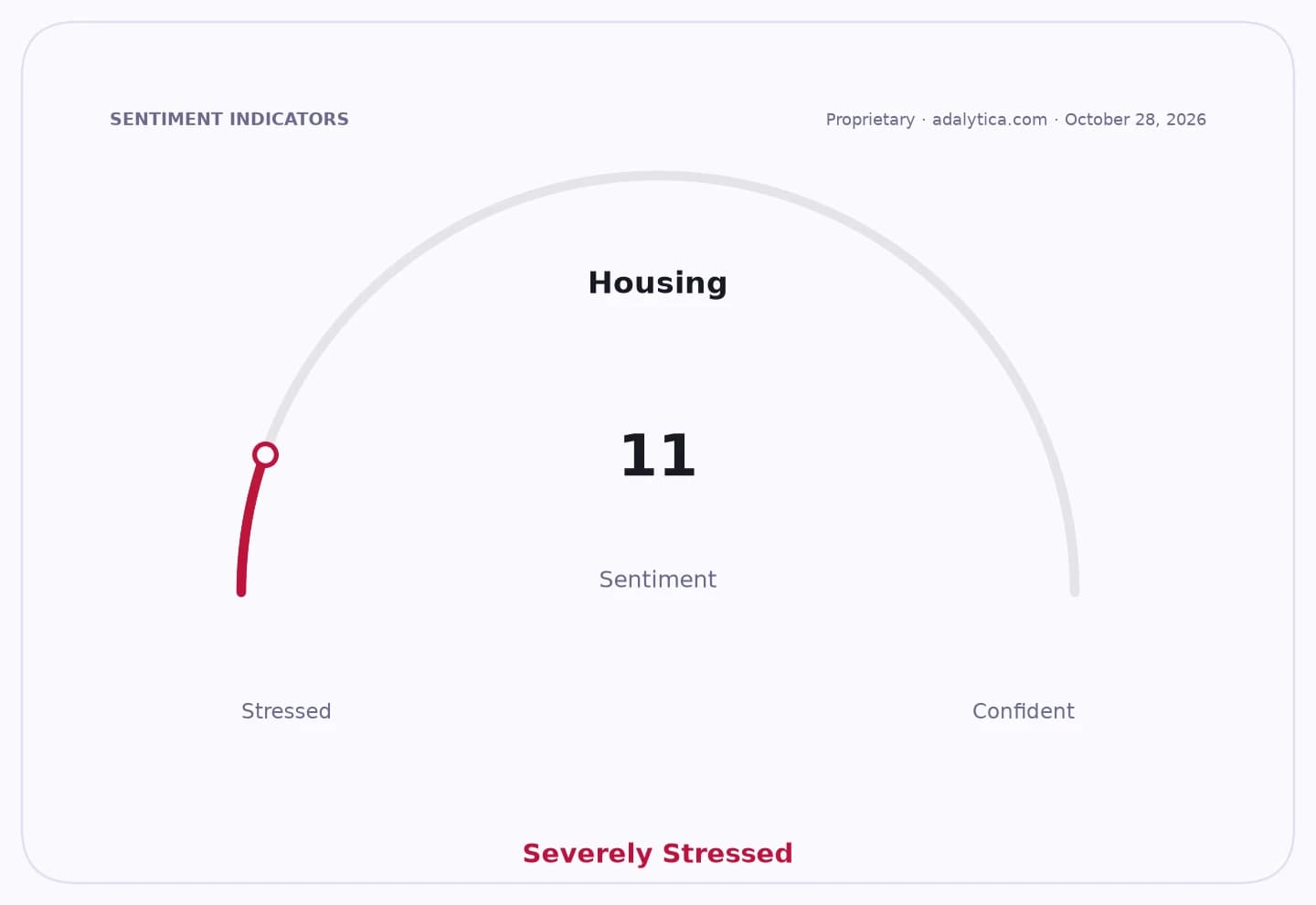
Sentiment IndicatorsⓘProprietary · adalytica.com · October 28, 2026
This is a snapshot — live sentiment, awareness and momentum for 130+ markets update continuously in the dashboard.Open AlphaPulse
That matters economically because Thanh Ha illustrates how Vietnam’s property cycle is being tested by financing stress. Investors who bought early, often at 16 million to 19 million dong per square meter when the project launched in 2016, have seen values climb sharply. But many also committed to multiple units and now face the second wave of payments as structures move into the construction phase. Brokers say the cost of rough construction can run to about 2.2 billion dong per unit, meaning an owner of three homes may need to mobilize about 6.6 billion dong just to keep pace with building schedules.
For the market, that creates a split between headline appreciation and transaction reality. Asking prices in Thanh Ha now span roughly 75 million to 205 million dong per square meter depending on road width and location, but the existence of “urgent sale” listings suggests the clearing price for some homes may be lower than advertised benchmarks. That can improve opportunities for end-users and cash-rich buyers, but it also raises the risk that leveraged investors become sellers into a softer market.
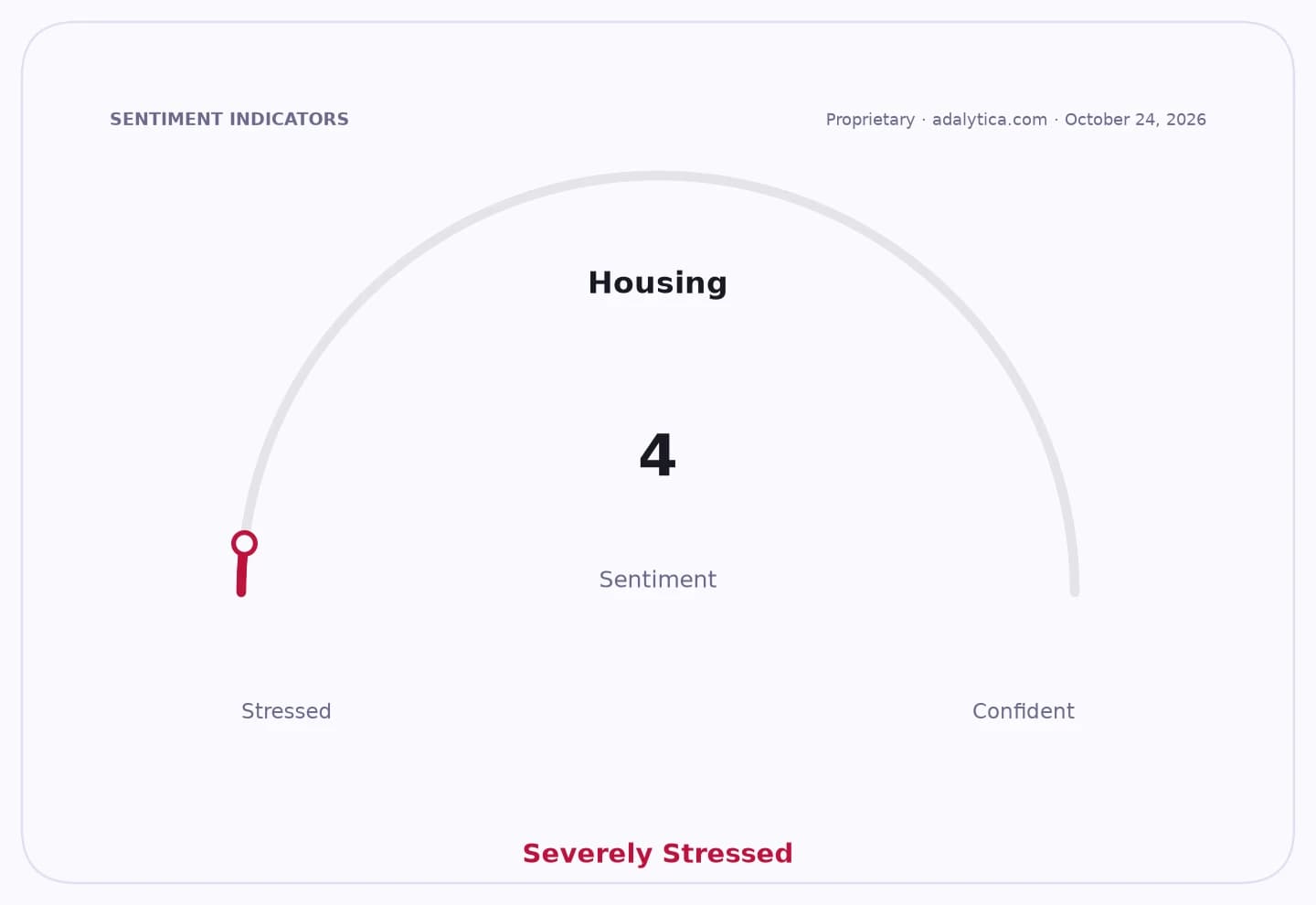
The story also fits a broader cooling in housing sentiment. Adalytica’s Housing Fear & Greed Index for the sector shows “neutral” sentiment at 61, down 21 points on the day, while awareness remains in “extreme fear,” underscoring how quickly confidence can fade when financing costs and affordability collide. In that setting, the strongest assets are those with cleaner legal status, better locations and more manageable capital demands; the weakest are heavily leveraged speculative positions that require fresh cash before completion.
For investors, the key takeaway is that Thanh Ha’s 5x to 6x price rise over a decade has not eliminated downside risk. It has shifted it from price discovery to balance-sheet pressure. Buyers with strong funding and a long horizon may find value in discounted listings, but the next leg of the market will likely depend less on past gains than on how many owners need to sell before they can finish paying for what they already bought.
| Entity | Gains | Losses |
|---|---|---|
| Cash buyers / end-users | ▲Better negotiating power | ▼Less choice at top-end listings |
| Leveraged investors | ▲Quick exit if sold | ▼Forced discounts, cash strain |
| Thanh Ha sellers with clean balance sheets | ▲Hold value longer | ▼Slower turnover |
| Bargain hunters | ▲Entry at lower prices | ▼Legal and liquidity risk |