Vietnam’s prime minister says the government cannot allow housing prices to rise “unreasonably” in segments that need tighter management, underscoring a push to keep social housing and rental homes affordable as lawmakers debate tougher auction rules that could reshape land pricing.
Vietnam PM Says Housing Prices Must Stay Controlled

The comments land at a sensitive moment for Vietnam’s property market, where officials are trying to balance land-price discipline, anti-speculation measures and wider access to housing for lower-income buyers. For investors, the message points to a policy backdrop that is likely to stay interventionist, especially in affordable housing and land auctions, even as premium segments are left more to market forces.
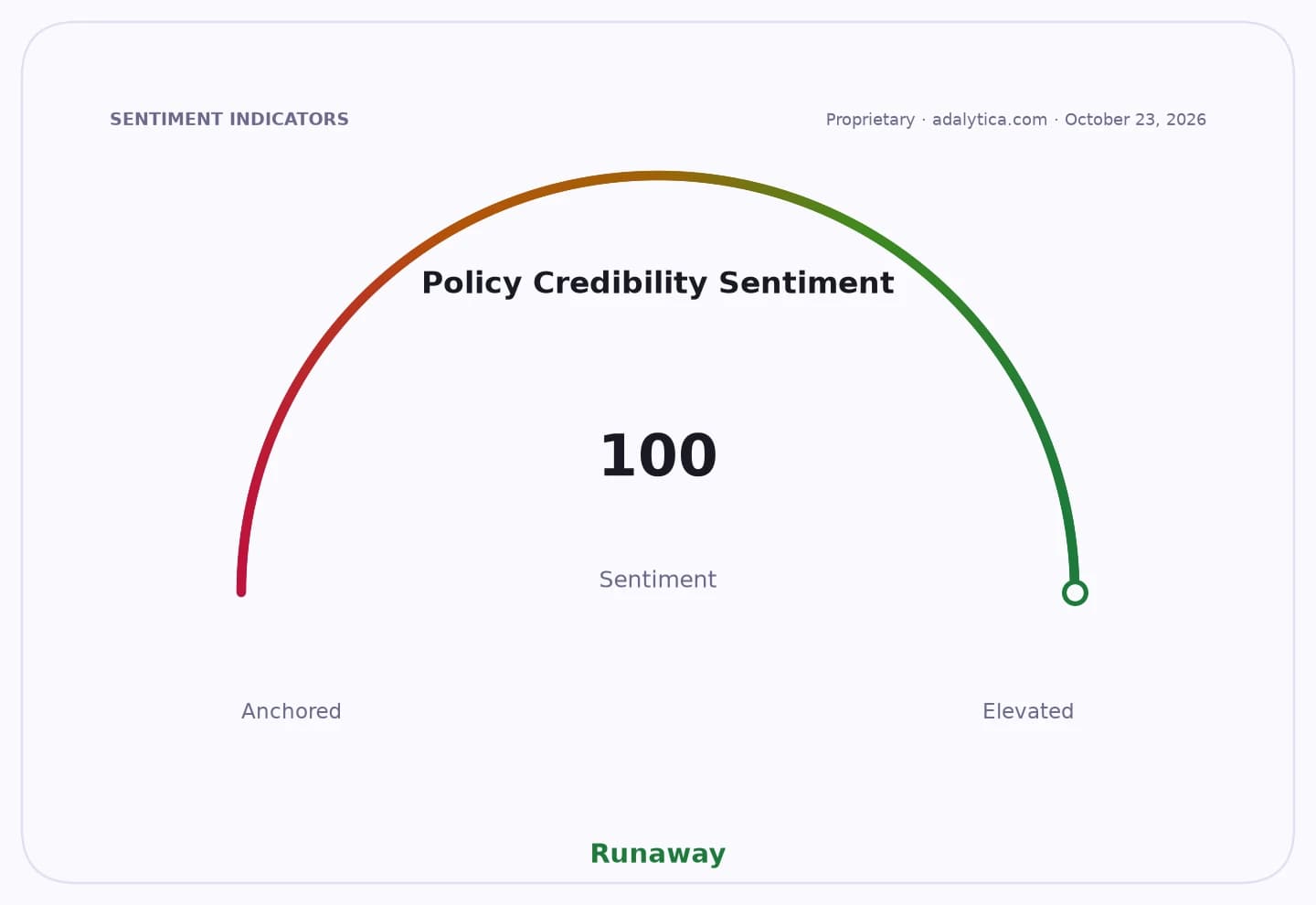
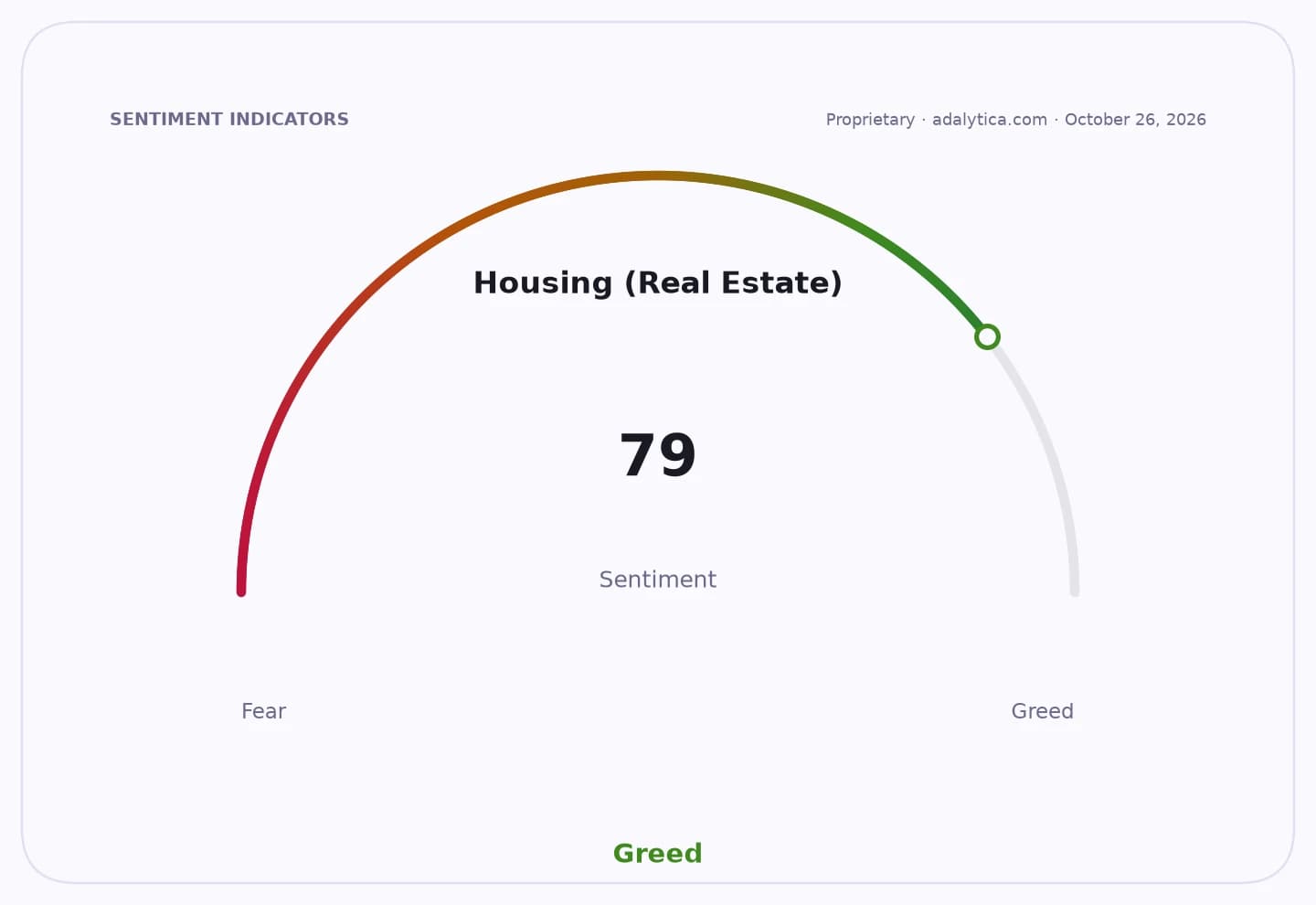
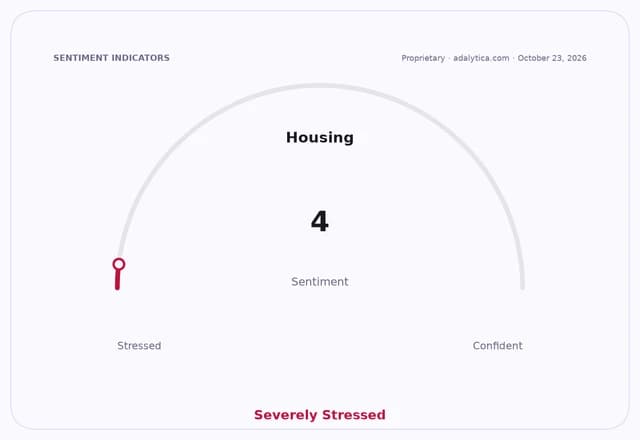
Sentiment IndicatorsⓘProprietary · adalytica.com · October 23, 2026
This is a snapshot — live sentiment, awareness and momentum for 130+ markets update continuously in the dashboard.Open AlphaPulse
Prime Minister Le Minh Hung said the state must be able to manage and regulate land prices and the real estate market, adding that housing for policy beneficiaries, low-income households, social housing and rental units “must be managed very tightly” and cannot be allowed to spike suddenly. He said the goal of the legal overhaul is not just cleaner auction procedures, but to ensure housing in those segments remains accessible to ordinary buyers.
That stance matters economically because land is a key input for residential development and an anchor for broader property pricing. If auction rules, deposit requirements or land-allocation procedures push prices higher, the effect can ripple through construction costs, mortgage demand and household affordability at a time when housing access is already under strain.
The prime minister’s remarks came during a National Assembly discussion of amendments to Vietnam’s asset auction law, which are linked to land law changes and local authority pricing frameworks. He said the rules around auctions, deposits, online bidding and cancellation must be reviewed carefully so they fit together with the land law and allow the state to control land prices more effectively.
The debate also highlights a growing policy concern over speculation and distorted bidding. National Assembly vice chairman Do Van Chien said auction activity has at times been distorted by collusion, price suppression and questionable winners, warning that people with genuine land needs are being crowded out by speculators.
Lawmakers are particularly focused on a proposal to lift deposits in land-use-right auctions to 20% to 50% of the starting price. Critics say that could deter genuine buyers more than speculators. Chien cited the example of a 1.5 billion dong plot where a 50% deposit would require 750 million dong upfront, a barrier for families but not necessarily for investors with deep cash.
The concern for markets is that tighter auction rules may slow speculative bidding but also reduce participation if financial barriers become too high. That could cool land-price surges in some areas, but it could also make transactions less liquid and complicate pricing for developers that rely on auctioned land to replenish inventory.
For homebuilders, banks and mortgage lenders, the direction of policy suggests a market where affordable housing remains politically protected while premium housing is treated more flexibly. For investors, that usually means more scrutiny on land banks, pricing power and project approvals, while listed developers and property-finance firms remain sensitive to how aggressively regulators enforce affordability goals.
The next test will be how the revised auction law and related land-price rules are written into practice, including whether authorities differentiate between local residents and outside buyers and how far they go in restricting deposits. If Vietnam wants to contain land inflation without freezing the market, the details will matter more than the slogans.
| Entity | Gains | Losses |
|---|---|---|
| Low-income buyers | ▲Better access to social housing | ▼Faster price spikes |
| Speculators | ▲Fewer opportunities | ▼Higher deposits, tighter rules |
| Developers | ▲Clearer land rules | ▼Higher compliance costs |
| Government | ▲More control over prices | ▼Pressure to enforce without choking liquidity |