Egypt is set to raise investment in social housing by 21% in its 2026/2027 development plan, a move that puts affordability and urban services ahead of speculation at a time when housing access remains strained and real estate prices have risen faster than many households can absorb.
Egypt Raises Social Housing Investment 21%
The shift matters because housing is not just a social policy item in Egypt; it is a major channel for employment, construction demand and household balance-sheet stability. By increasing funding for social housing and related urban development, the government is effectively trying to support lower-income demand while tempering the kind of price escalation that has pushed some areas far beyond the reach of end users.
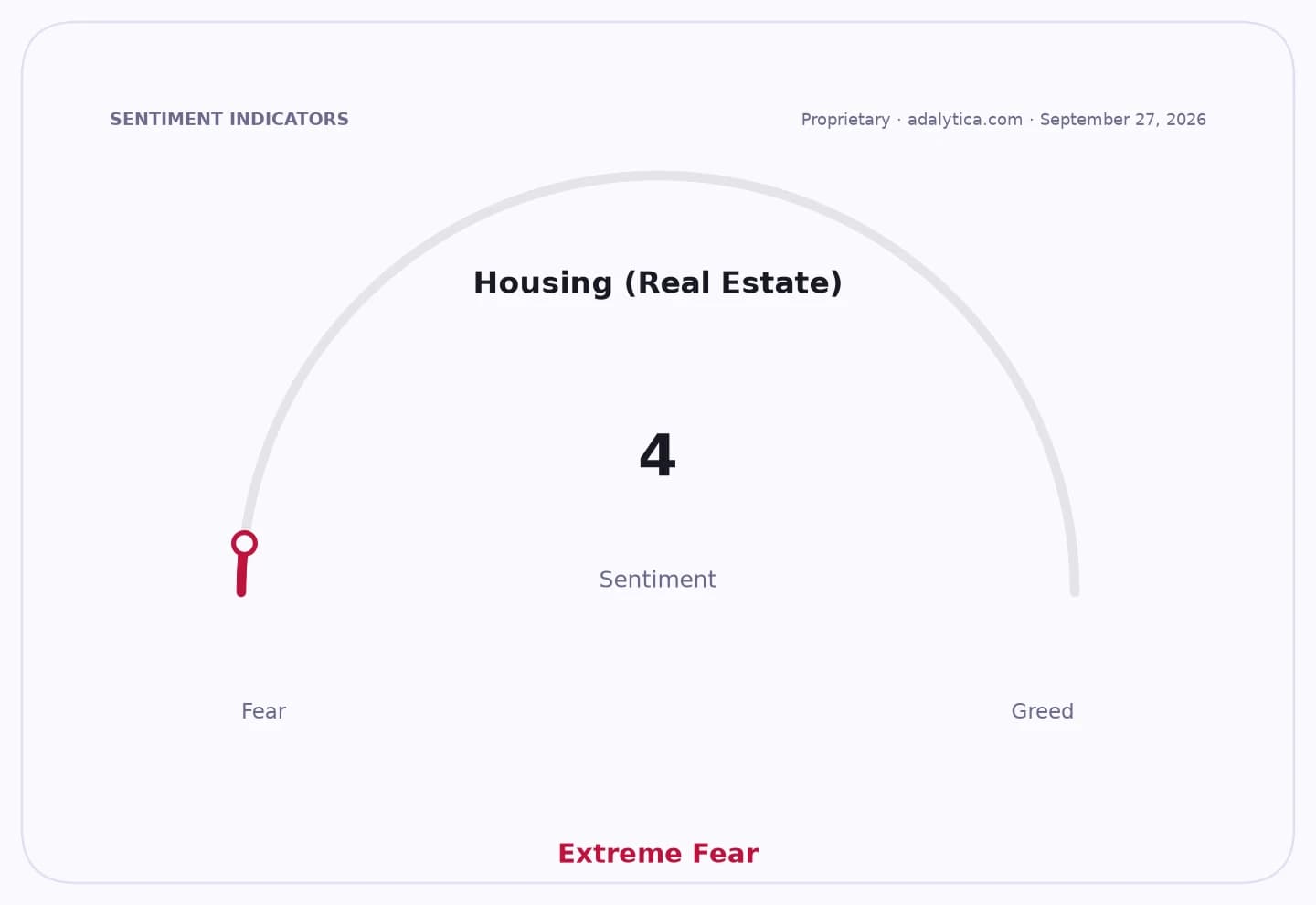
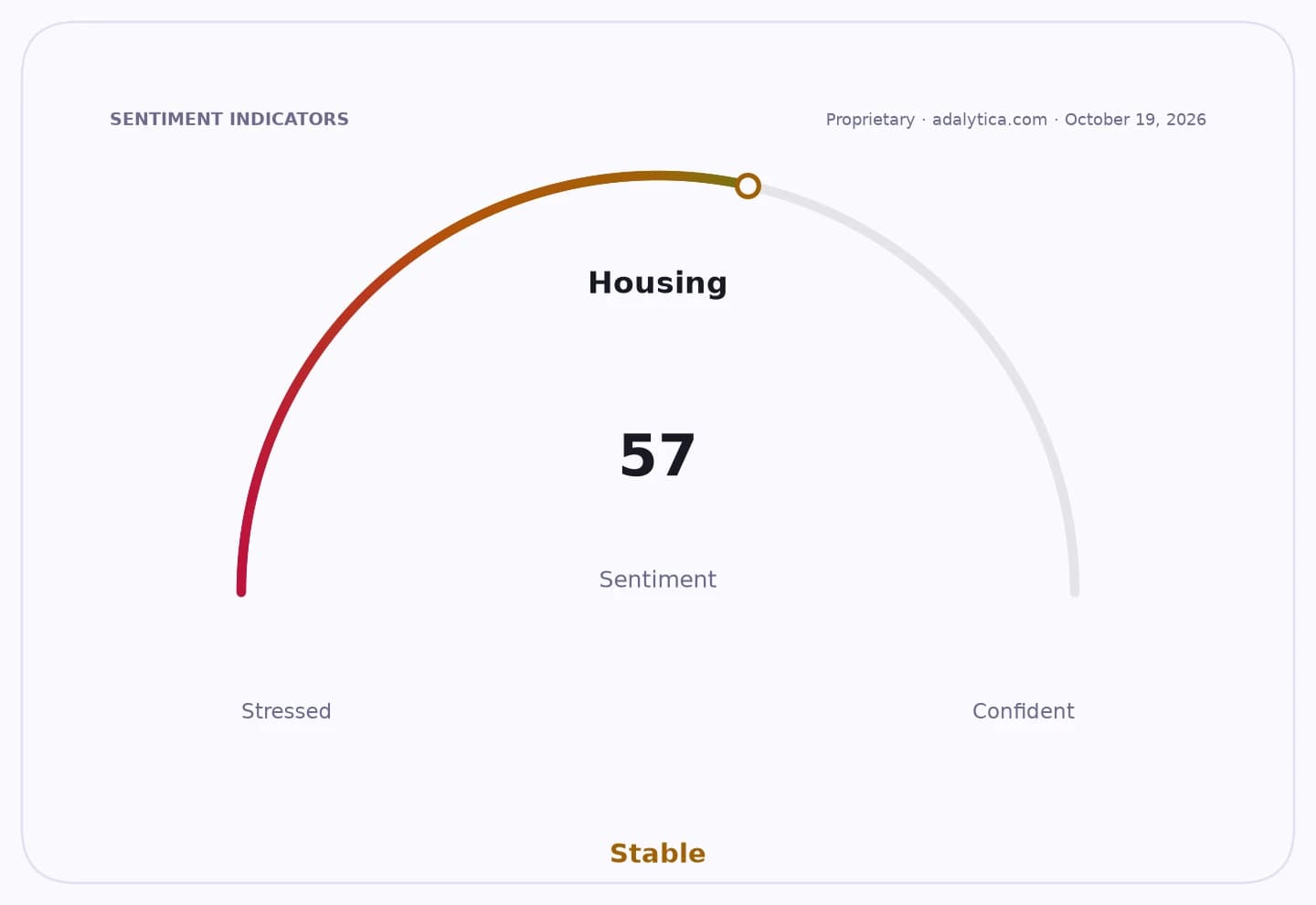
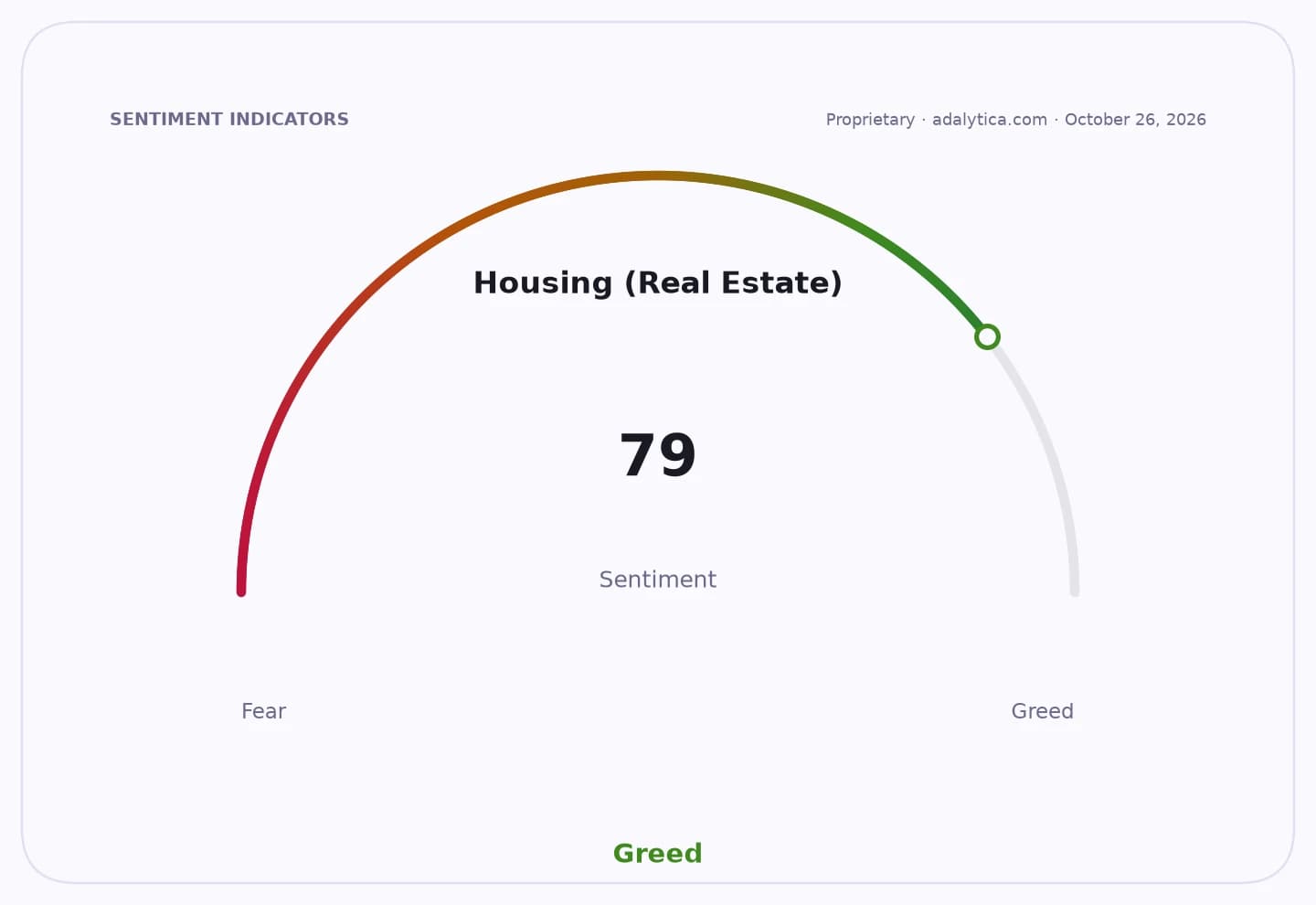
Sentiment IndicatorsⓘProprietary · adalytica.com · October 26, 2026
This is a snapshot — live sentiment, awareness and momentum for 130+ markets update continuously in the dashboard.Open AlphaPulse
The planning document places the housing and urban development sector among the priorities for improving living standards, with support for social housing projects. That aligns with a broader policy debate over how to balance investment incentives with affordability, especially as regulators and local authorities face pressure to curb speculative excess and expand rental options.
The timing is notable. The housing market has been volatile, with transactions weakening even as prices in some locations have surged sharply. In market terms, that usually points to an affordability problem rather than a simple shortage of capital. More public investment in social housing can help absorb some of that strain by boosting supply in the segment most tied to first-time buyers and lower-income households.
For investors, the key implication is that the state appears committed to keeping housing-related capex elevated, which supports demand for contractors, building materials and urban infrastructure developers. It also suggests continued policy support for companies exposed to mass-market housing rather than luxury developments that depend more heavily on speculative demand.
That said, the policy does not remove the sector’s core constraints. Higher land costs, financing pressure and uneven demand still threaten margins across the residential market, and developers may continue to favor projects that can be delivered quickly or priced to match household purchasing power. If the 21% increase is implemented effectively, it could help stabilize the lower end of the market; if execution lags, it may amount to little more than a larger budget line in a still-distorted housing market.
| Entity | Gains | Losses |
|---|---|---|
| Social housing developers | ▲More public funding | ▼Margin pressure |
| Low-income homebuyers | ▲Better affordability access | ▼Longer wait times |
| Construction and materials firms | ▲Higher project pipeline | ▼Input-cost volatility |
| Speculative property investors | ▲— | ▼Less policy support |