Vietnam is moving to toughen its asset-auction regime as lawmakers push to stamp out collusion, price suppression and “green army, red army” bidding tactics that have distorted sales of public and distressed assets, including a nearly 1.1 trillion dong disposal tied to Truong My Lan.
Vietnam auction law tightens rules on land sales
The National Assembly chairman said the revised auction law should focus on process, not duplicate sector-specific rules on how assets are valued, approved and handed over. That matters economically because weak auction rules can leave state and confiscated assets underpriced, slow recoveries and invite manipulation in land and other hard-to-value properties.
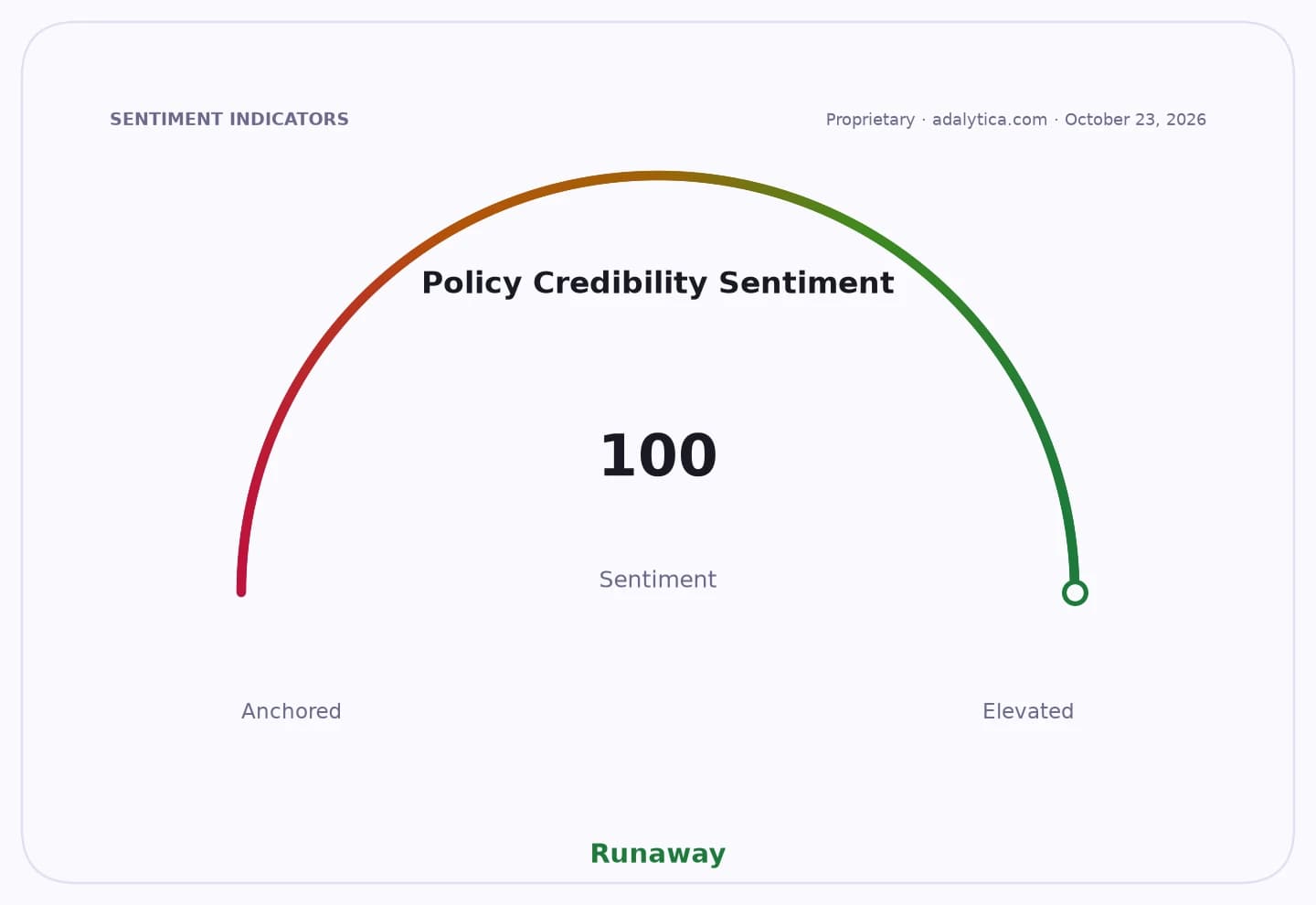
Sentiment IndicatorsⓘProprietary · adalytica.com · October 23, 2026
This is a snapshot — live sentiment, awareness and momentum for 130+ markets update continuously in the dashboard.Open AlphaPulse
The most immediate target is land auctions, where officials want higher deposits of 20% to 50% for individual buyers and tougher penalties for bidders who win and then walk away. The draft also calls for bans of six months to five years for collusion or failure to post the required deposit, plus public disclosure of violators on the national auction portal.
For investors, tighter enforcement could reduce speculative bidding and improve price discovery in real estate and other auctioned assets, but it may also curb the kind of aggressive leverage and flipping that has fueled some auction activity. Authorities are also weighing a rule that anyone who submits valid documents and a deposit is deemed to accept the opening price, a move aimed at stopping bid-stuffing and brokers acting as decoys.
The push comes as Vietnam steps up online auctions and digital verification. Lawmakers want the national auction platform to become the default venue for most assets, with electronic identification, tighter system controls and explicit bans on tech manipulation, in a sign the government is trying to modernize a market long vulnerable to opaque practices.
The broader message is that Hanoi wants faster monetization of seized and public assets without the distortions that can ripple through land prices, municipal balance sheets and creditor recoveries. The next test is whether the new penalties and digital controls can actually change behavior in a market where asset auctions have often been gamed rather than competed for.
| Entity | Gains | Losses |
|---|---|---|
| State and creditors | ▲Better recoveries | ▼Underpricing risk |
| Legitimate bidders | ▲Fairer price discovery | ▼Manipulators |
| Speculators and colluders | ▲Fewer loopholes | ▼Higher penalties |
| Property market | ▲More transparent auctions | ▼Less inflated bidding |