Vietnam is forcing gold buyers and sellers to move away from cash, a shift that should make the market more transparent and give regulators a firmer grip on one of the country’s most sensitive retail assets.
Vietnam gold trades now require non-cash payments

Under a new decree taking effect immediately, any gold transaction worth 5 million dong, or about $200, in a day must be settled through non-cash payment methods. That is a sharper restriction than a prior rule that required account-based payments only for transactions of 20 million dong or more, and it comes as authorities rewrite the framework around gold trading, jewelry manufacturing and imports.
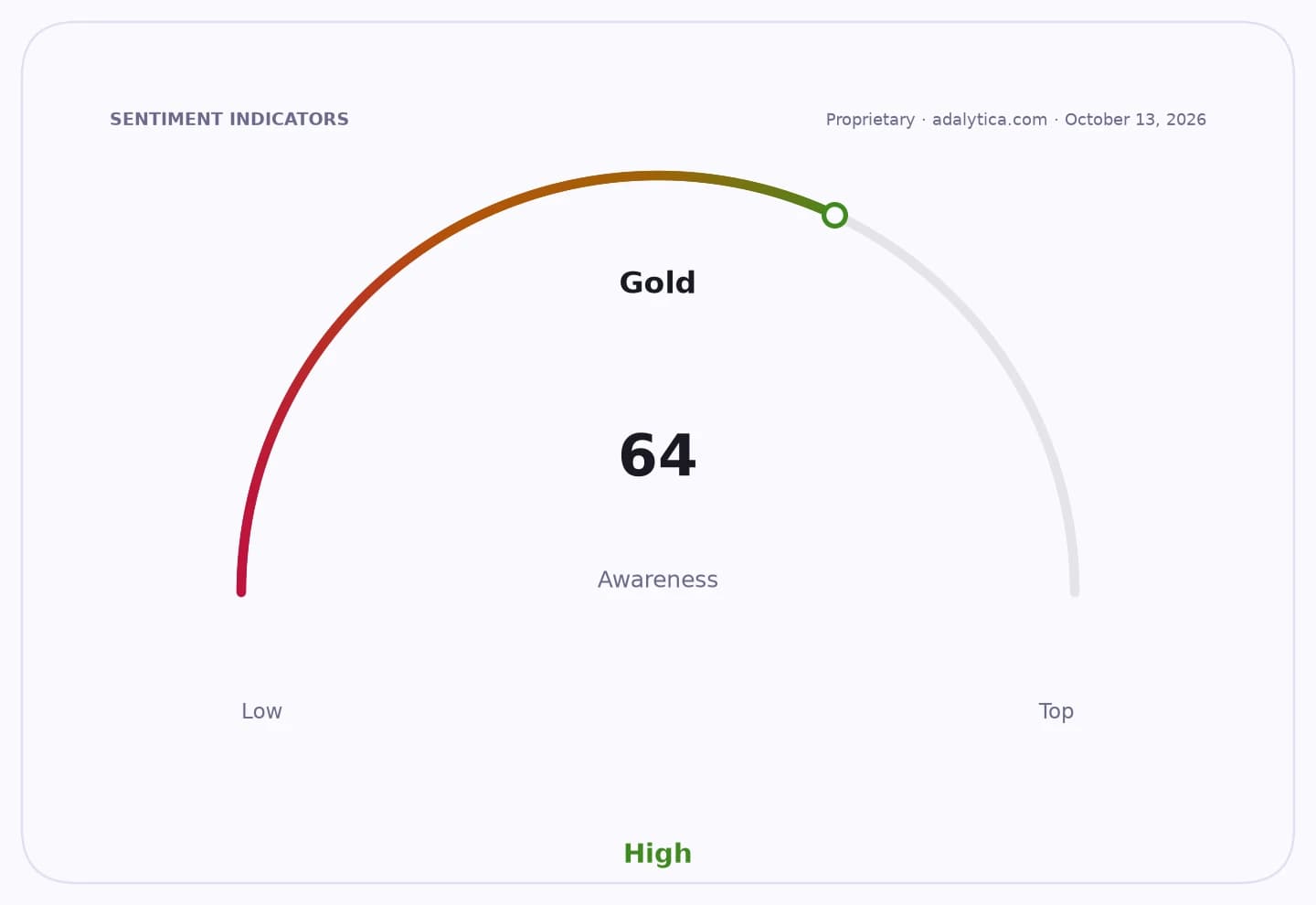
Sentiment IndicatorsⓘProprietary · adalytica.com · October 21, 2026
This is a snapshot — live sentiment, awareness and momentum for 130+ markets update continuously in the dashboard.Open AlphaPulse
For investors, the bigger message is not the payment threshold itself but the direction of travel: Vietnam is trying to formalize a market that has long been vulnerable to opacity, cash dealing and regulatory arbitrage. Cleaner settlement should improve traceability, curb tax leakage and make it easier for the State Bank of Vietnam to monitor flows in gold bars and gold raw materials. In a market where gold can function as both a store of value and a shadow-currency substitute, that matters for financial stability as much as for consumer protection.
The decree also removes jewelry and decorative gold production and trading from the list of conditional businesses, lowering a barrier for smaller operators while leaving them subject to rules on product quality, labeling, pricing, invoices, tax and standards. That is a meaningful liberalization on the supply side, even as the payment rules tighten on the transaction side. The result is a more formalized industry, not necessarily a freer one.
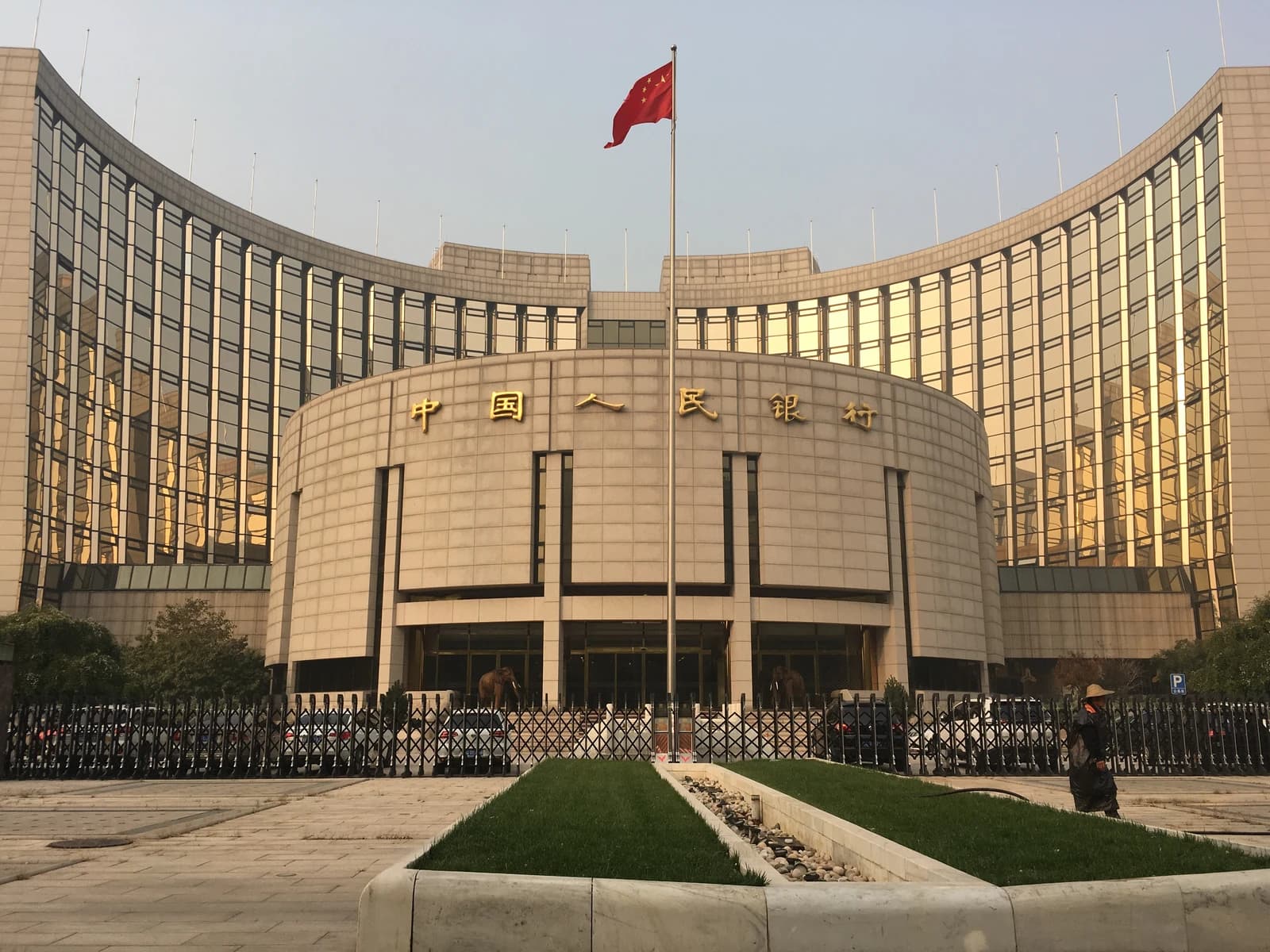
Vietnam’s central bank also keeps expanded supervisory powers over bullion production, gold imports and exports, and the use of imported raw gold. For companies that rely on imported inputs or cross-border contracts, the new regime could improve access, but only within a more tightly monitored system. That should help legitimate operators over time, while squeezing those that depended on a less visible cash economy.
Gold prices have been volatile, and the broader backdrop still favors hard assets whenever investors worry about currencies or policy credibility. But for long-term investors, this story is less about chasing the metal and more about understanding how governments reshape the plumbing around it. Vietnam is making gold harder to trade informally and easier to supervise formally, a change that could gradually favor larger, compliant players over the next several years.
| Entity | Gains | Losses |
|---|---|---|
| State Bank of Vietnam | ▲Better oversight | ▼Less cash opacity |
| Compliant gold dealers | ▲Clearer rules | ▼Higher compliance burden |
| Small informal traders | ▲Easier entry to jewelry business | ▼Less room for cash deals |
| Gold buyers and sellers | ▲More transparent market | ▼Fewer cash settlement options |