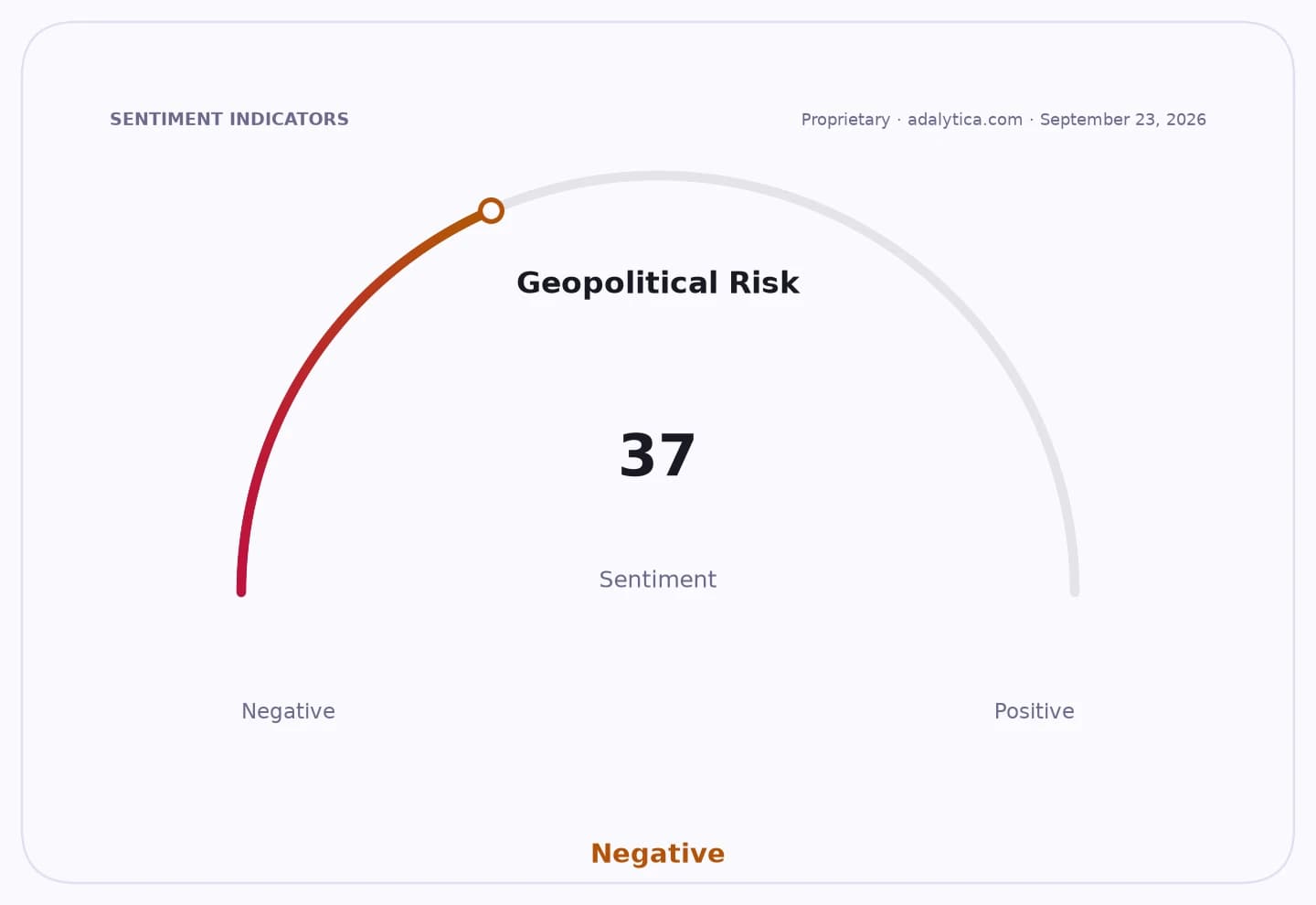
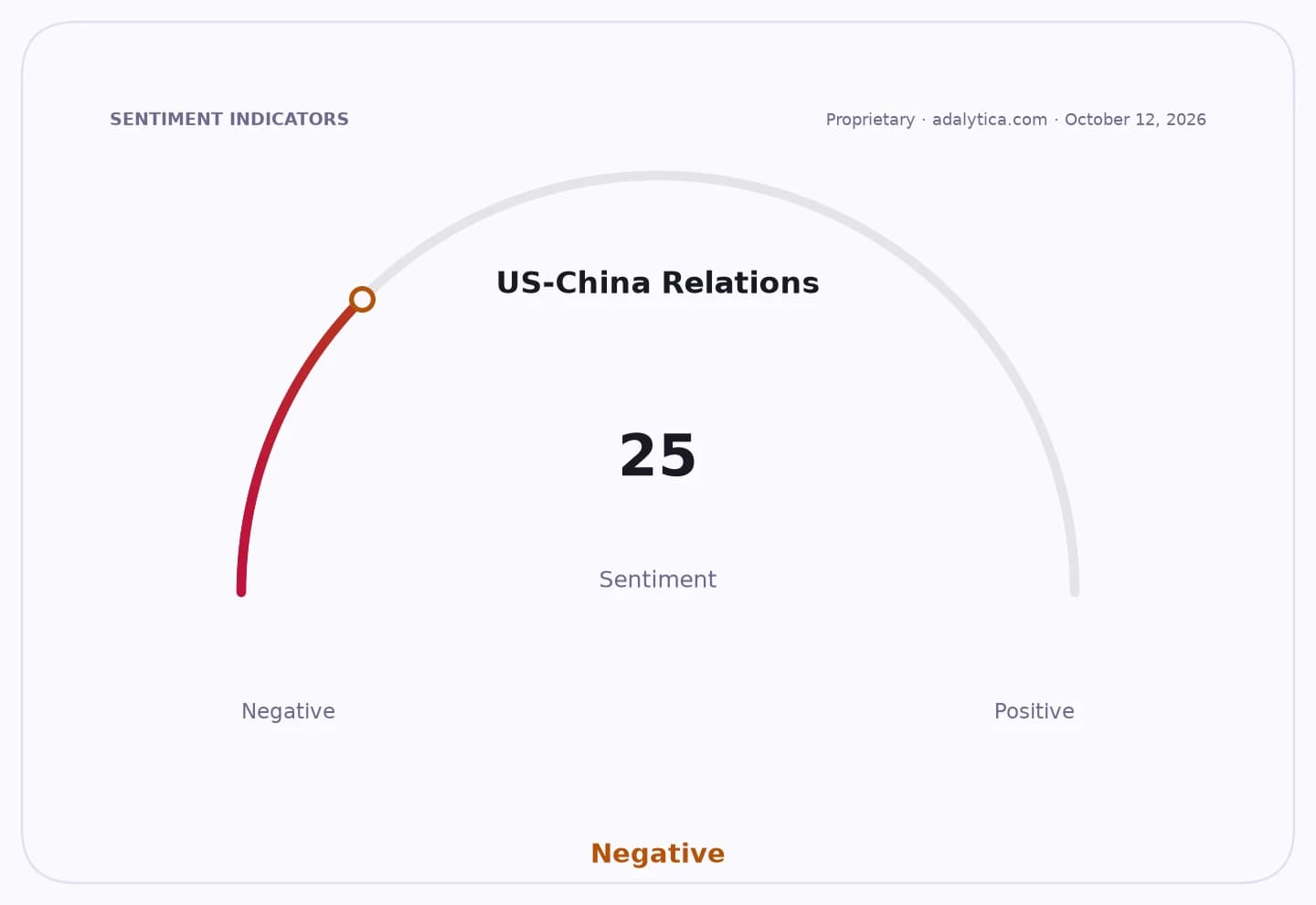
China is using gold to widen the international role of the yuan, stitching together vaults in Hong Kong and Shanghai so overseas institutions can buy physical bullion in Hong Kong and settle in renminbi rather than dollars.
China links Hong Kong and Shanghai gold vaults
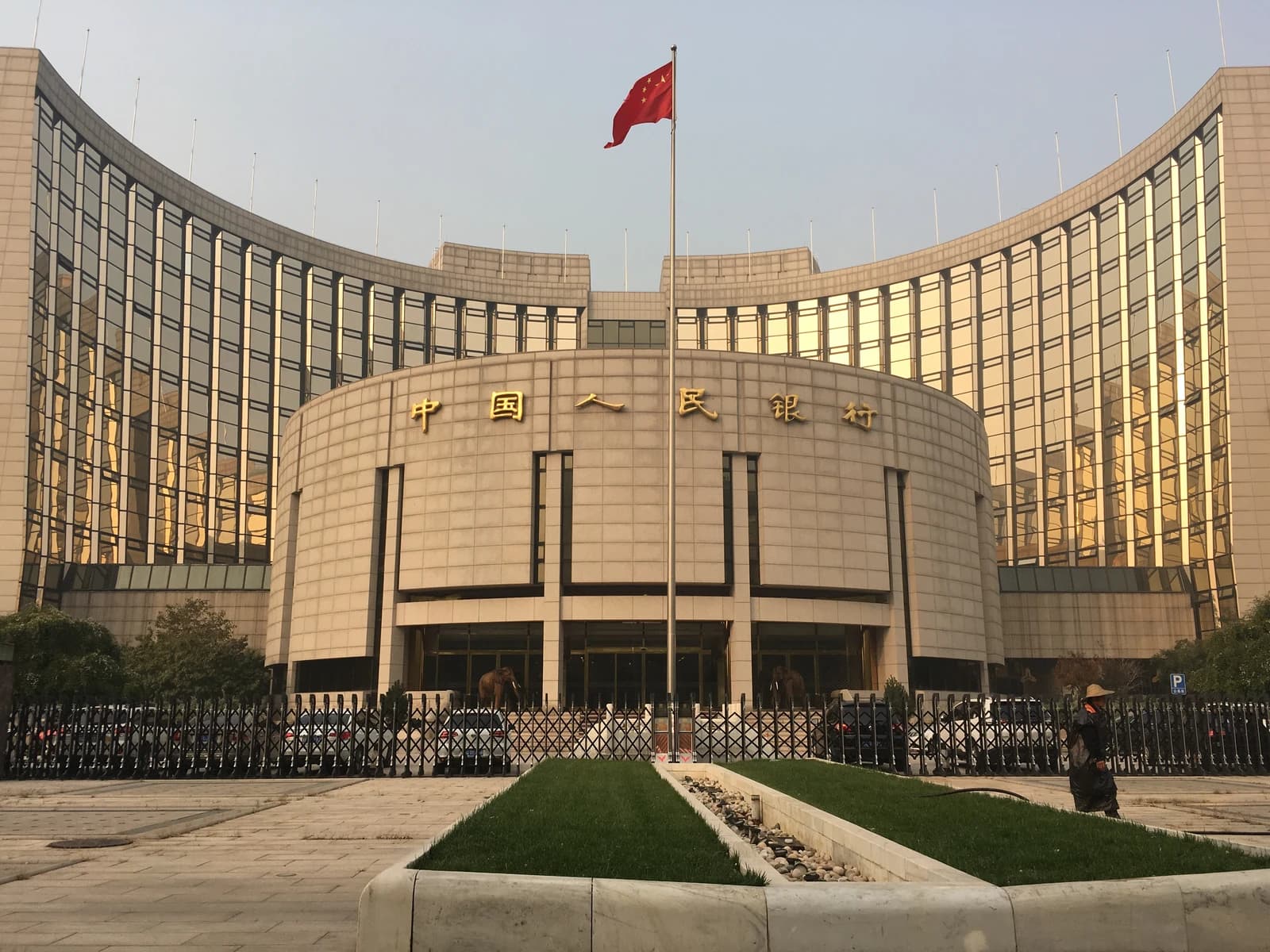
The move matters because it attacks one of the main obstacles to yuan internationalisation: the lack of offshore places to hold, swap and deploy the currency. By making gold a usable settlement asset, Beijing is creating a practical reason for banks and trading houses to hold yuan balances outside the mainland, rather than only using the currency for trade invoicing or domestic transactions.
Sentiment IndicatorsⓘProprietary · adalytica.com · October 20, 2026
This is a snapshot — live sentiment, awareness and momentum for 130+ markets update continuously in the dashboard.Open AlphaPulse
Charles Chang, managing director and head of Greater China corporate ratings at S&P Global Ratings, told CNBC that as trading volumes rise, more physical-gold deals will be settled in yuan instead of US dollars. He said the ability to exchange yuan proceeds for bullion should broaden the currency’s use beyond China’s borders.
The infrastructure change is also strategically important. China decided in 2025 to connect the Hong Kong and Shanghai gold warehouses, effectively building a cross-border bullion settlement channel. That has given international financial institutions a way to buy physical gold in Hong Kong while paying in yuan — a structure that could deepen liquidity in the currency and reduce reliance on dollar-based commodity settlement.
Hong Kong’s storage capacity linked to Shanghai is expected to rise from 150 tonnes to more than 2,000 tonnes over the next three years, according to Chang. If achieved, that would put the hub close to the scale of China’s own gold reserves and could make Hong Kong one of the world’s largest gold-trading centres, shifting a slice of global bullion flow away from established Western hubs.
The numbers underscore why Beijing sees gold as useful financial leverage. The World Gold Council says the US still holds more than 8,100 tonnes of gold, while China’s reserves are above 2,300 tonnes — about a third of the US total. China is already the world’s biggest consumer and producer of gold, but the country is trying to convert that physical-market heft into financial influence.
For investors, the key implication is not a sudden threat to the dollar, but a gradual diversification of how commodities are financed and settled. A bigger yuan-settled gold market would benefit Chinese exchanges, banks and Hong Kong’s role as an offshore renminbi hub. It could also create more demand for yuan liquidity among global bullion dealers, while incrementally challenging dollar dominance in trade finance.
The bear case is that the effort may remain niche unless China relaxes capital controls and offers deeper, more freely usable offshore yuan markets. The bull case is that gold is one of the few assets trusted across borders, giving Beijing a credible route to expand yuan usage without asking counterparties to take on obvious credit risk.
That is why the development matters beyond bullion. It is part of a broader contest over financial plumbing, where China is not trying to replace the dollar outright, but to build enough parallel channels — starting with gold — to make the yuan harder to ignore in global trade.
| Entity | Gains | Losses |
|---|---|---|
| Hong Kong gold hub | ▲Higher trading volumes | ▼Smaller role for Western centres |
| China and yuan | ▲Broader offshore use | ▼Dollar dependence in settlement |
| Global bullion dealers | ▲New settlement channel | ▼Less dollar liquidity dominance |
| US dollar system | ▲— | ▼Incremental erosion at the margin |