The Ghanaian cedi is gaining support from a bigger supply of dollars in the banking system, and the policy shift is starting to matter for inflation, fuel costs and broader macro stability.
Ghanaian cedi gains on GoldBod dollar sales

Data scientist and policy analyst Alfred Appiah said the currency’s four-day run of gains was partly being driven by the Ghana Gold Board’s direct foreign-exchange sales to commercial banks, a move that has improved dollar liquidity just as pressure builds at the pump. The cedi strengthened 1.5% from Oct. 7 to close at GH¢11.65 per dollar on Oct. 15, according to Appiah’s post on X, giving importers and households a modest reprieve after recent weakness.
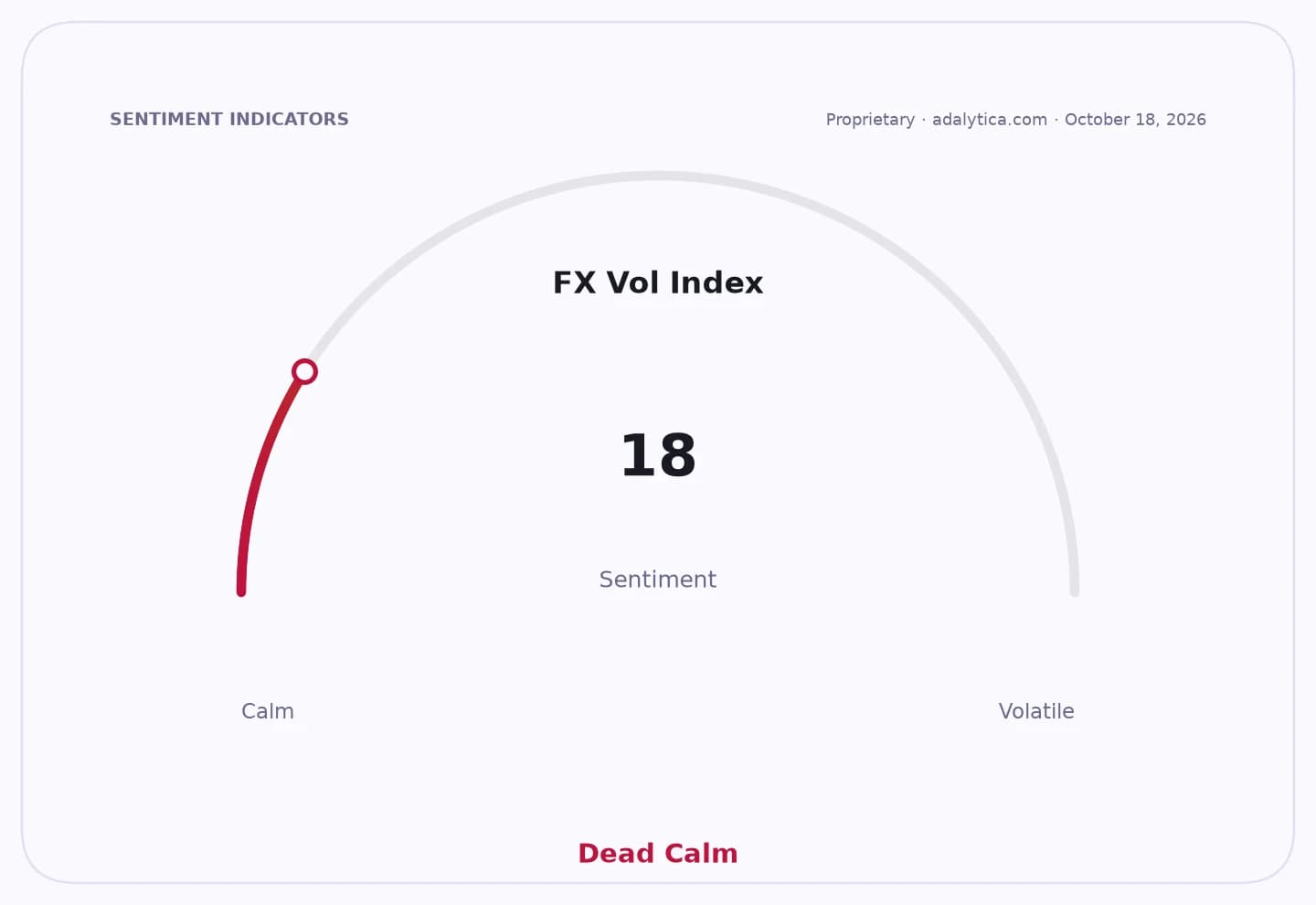
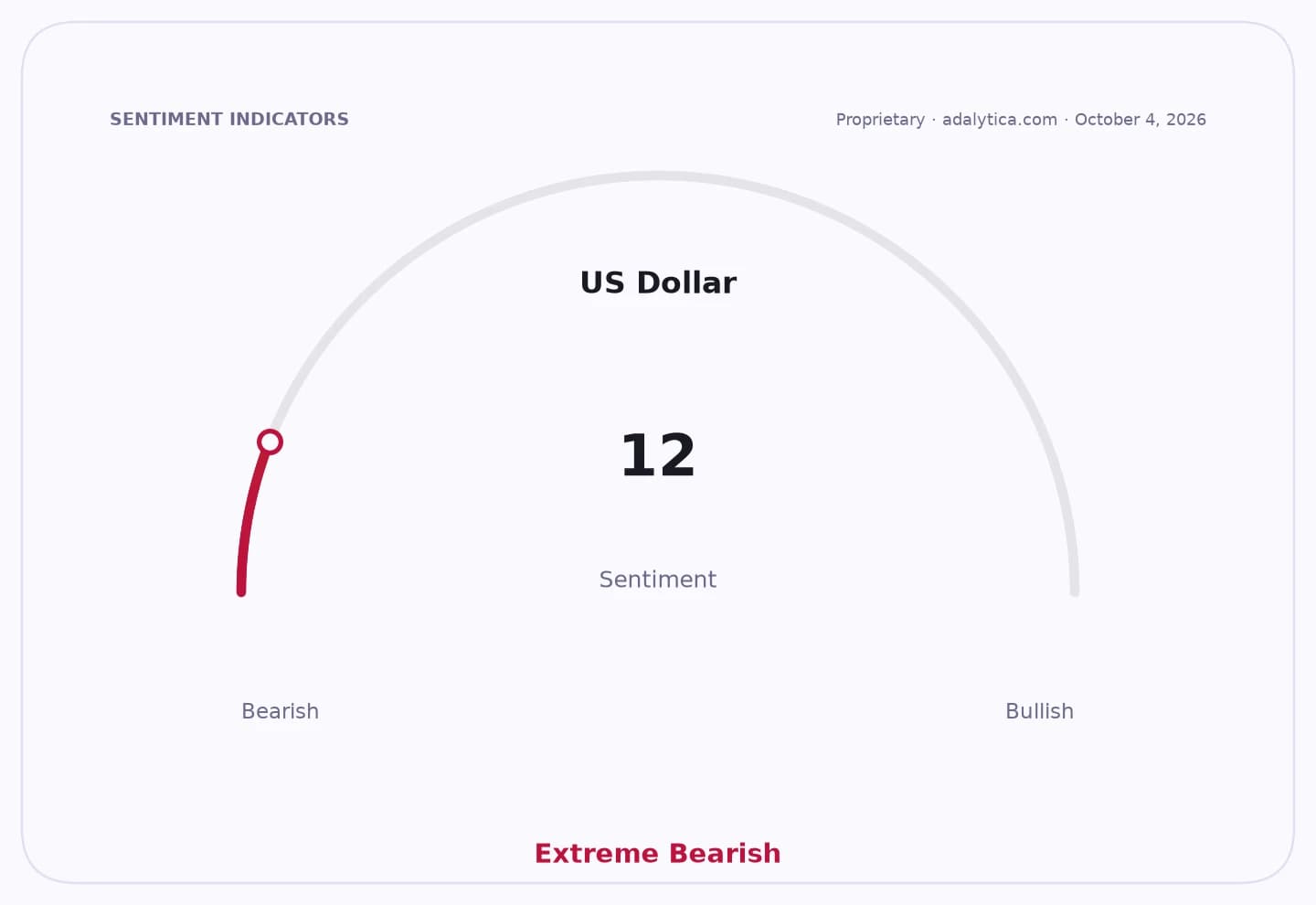
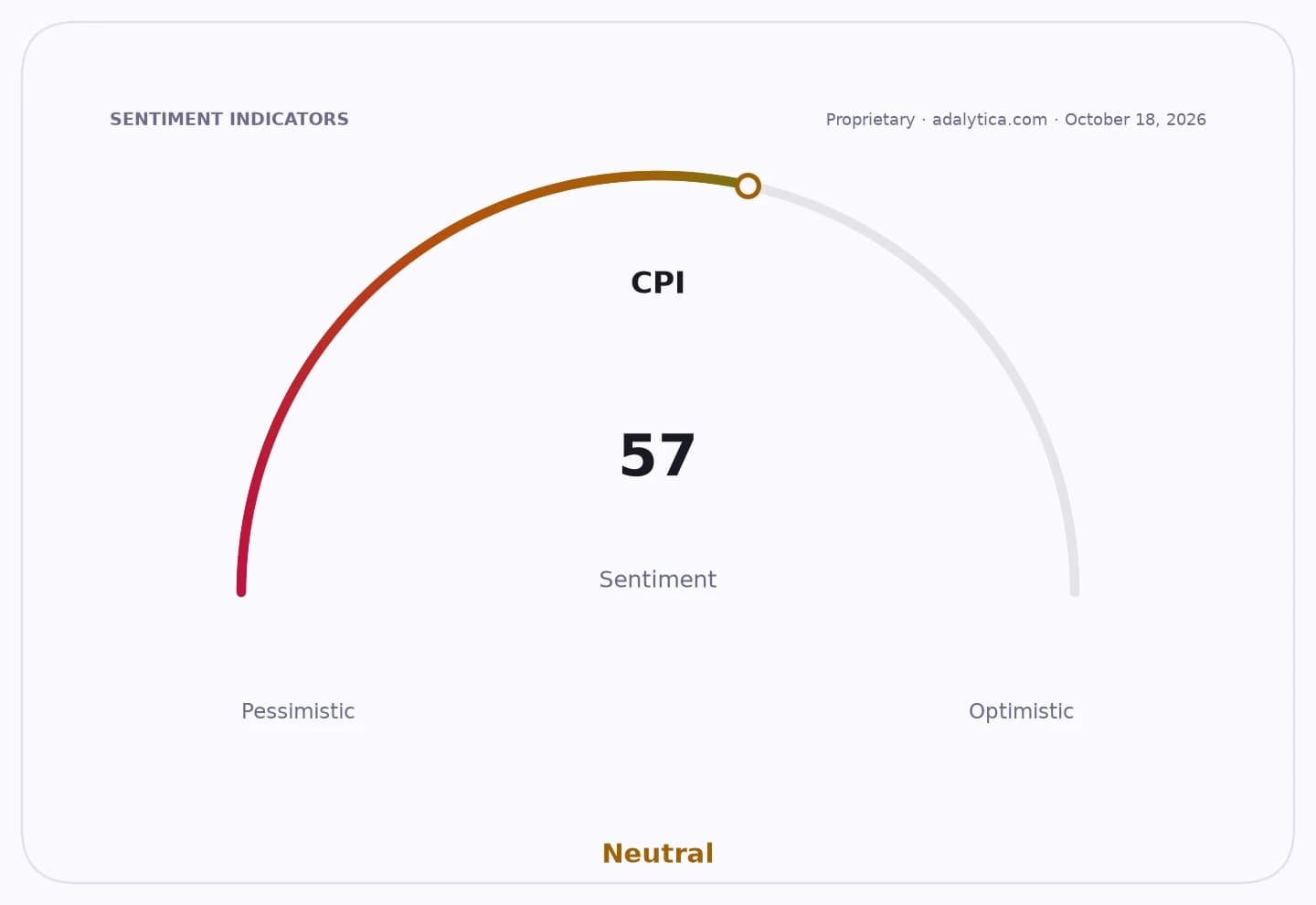
Sentiment IndicatorsⓘProprietary · adalytica.com · October 21, 2026
This is a snapshot — live sentiment, awareness and momentum for 130+ markets update continuously in the dashboard.Open AlphaPulse
The significance goes beyond a better exchange-rate headline. In an import-dependent economy such as Ghana’s, a firmer cedi can quickly translate into lower landed costs for fuel, food and other essential goods, or at least slow the pace of increases. That matters for consumer spending power, inflation expectations and the government’s effort to preserve macroeconomic stability after months in which foreign-currency scarcity has been a recurring market concern.
GoldBod’s dollar sales are particularly relevant because they add a non-central-bank source of forex into the formal market. Under the programme, the board sells dollars earned from its gold operations to commercial banks, which then distribute liquidity to businesses for legitimate transactions. The cedi proceeds are used to finance further gold purchases, creating a loop that links the country’s gold earnings to short-term currency support.
Appiah’s comments reflect a broader market view that improved supply, even if temporary, can ease pressure on the cedi when demand for dollars remains firm. The board has framed the sales as spot foreign-exchange transactions under its legal mandate, not speculative forex trading, a distinction that matters for policy credibility and for investors assessing whether the intervention is a one-off or part of a more durable liquidity channel.
For investors, the immediate question is whether the improvement in FX supply is enough to stabilize the cedi beyond a few sessions. A stronger currency supports local assets by lowering imported inflation risk and reducing stress on corporates with foreign-currency exposure. But if hard-currency inflows weaken again or if fuel import demand accelerates, the gains could prove fragile.
The bull case is that GoldBod’s sales help widen the pipeline of dollars at a time when Ghana needs every available source of liquidity. The bear case is that the support remains dependent on gold-related receipts and policy execution, leaving the cedi vulnerable if supply tightens again. For now, the market is taking the improvement as a welcome sign that the authorities have found another lever to steady the currency.
| Entity | Gains | Losses |
|---|---|---|
| Ghanaian cedi | ▲Near-term support | ▼Weak-dollar buyers |
| Consumers and importers | ▲Lower import pressure | ▼Fuel and goods sellers |
| GoldBod and banks | ▲Bigger FX pipeline | ▼Parallel-market scarcity |
| Dollar holders | ▲More stable market | ▼Less pricing power |