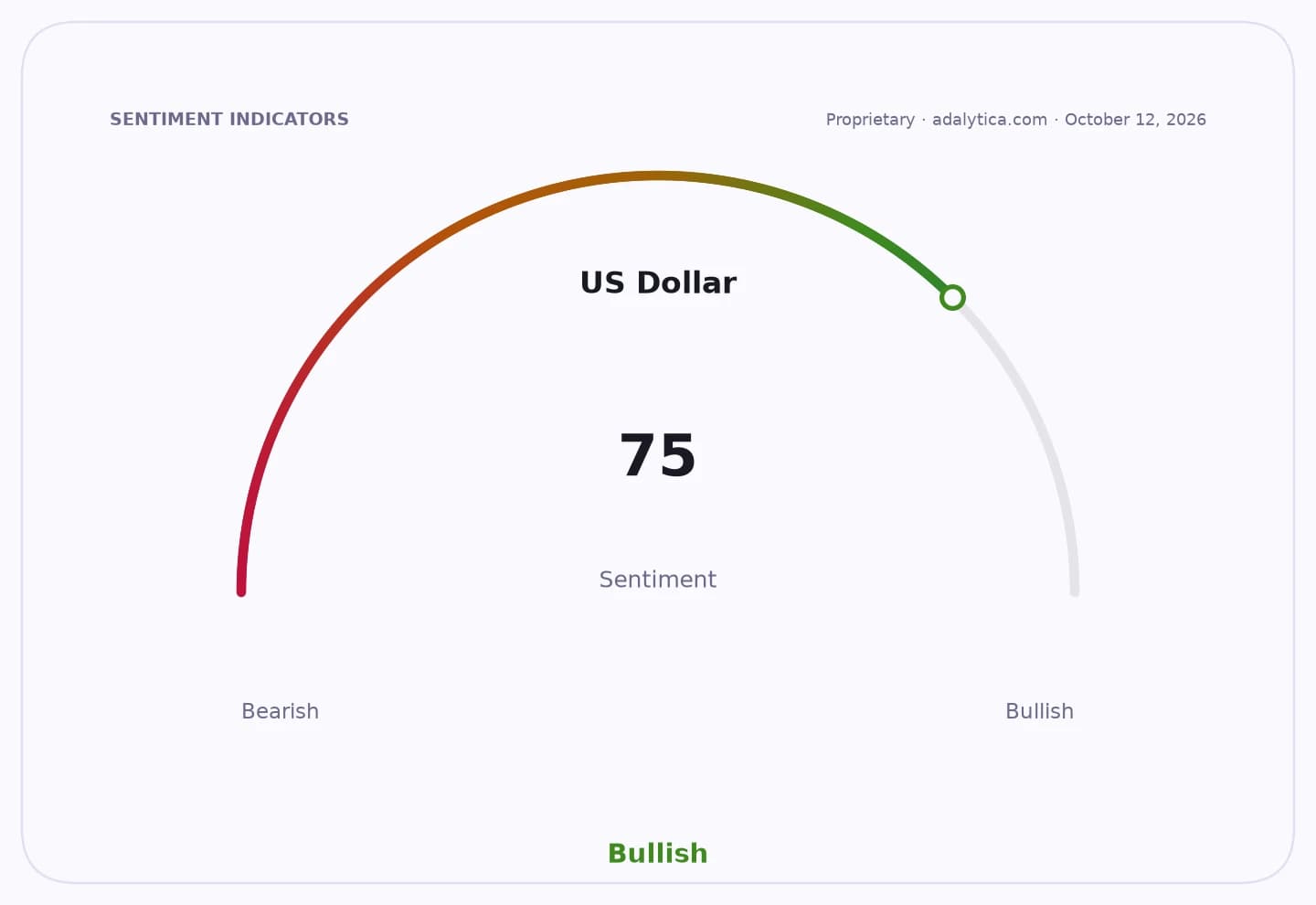
Ghana’s new GoldBod foreign exchange framework matters because it tries to turn dollar supply from a guessing game into a scheduled market process, a change that could calm cedi volatility and improve planning for importers, lenders and investors.
Ghana GoldBod FX Framework Delivers $125M Auction
Dr. Theo Acheampong said the framework is designed to give banks and businesses clearer visibility on when and how much foreign exchange will be available, with GoldBod selling dollars to authorized commercial banks through its GoFX platform ordinarily on Tuesdays and Thursdays. The first auction reportedly delivered about $125 million to commercial banks, a meaningful amount in a market where access to hard currency has often been sporadic and opaque.
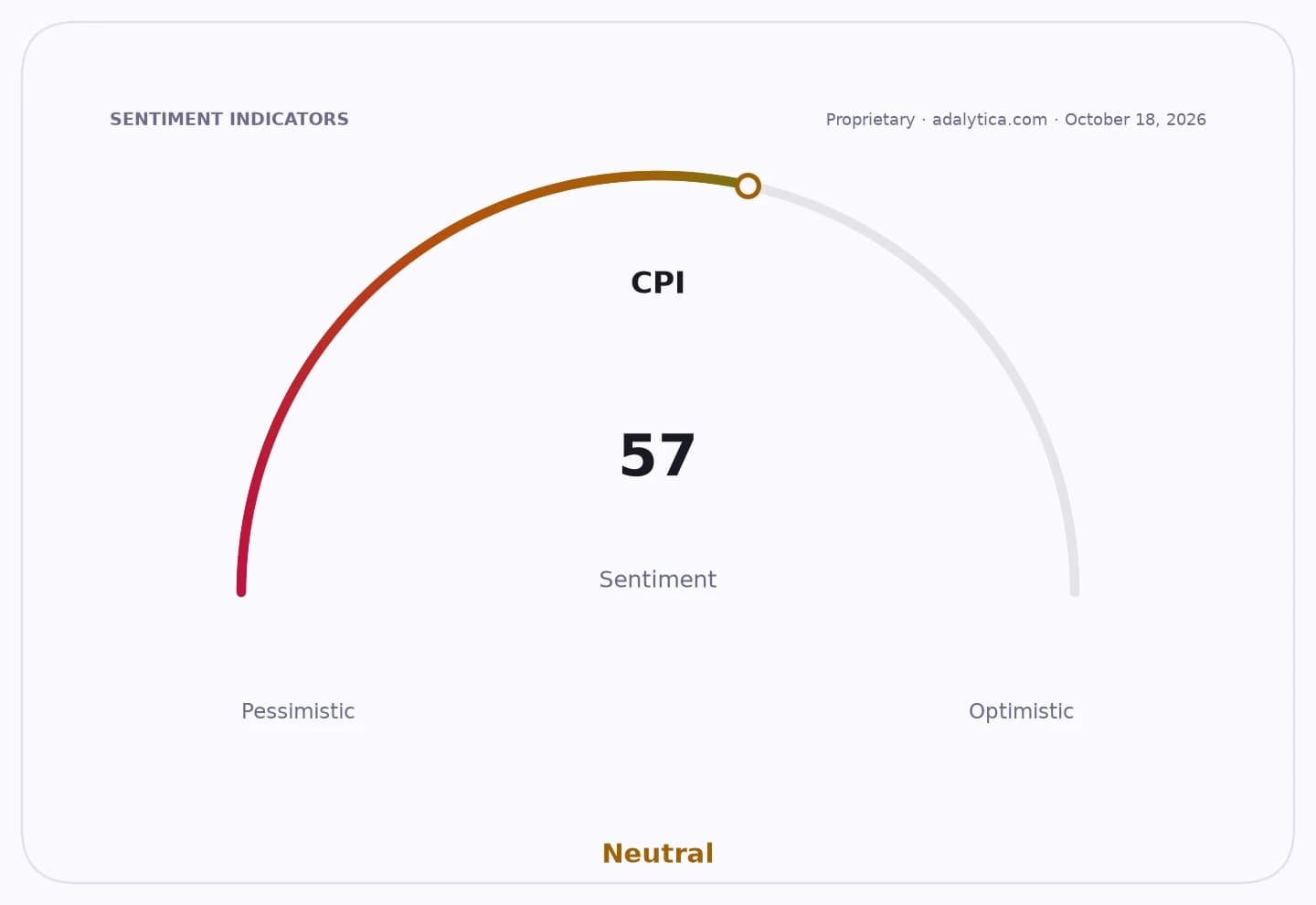
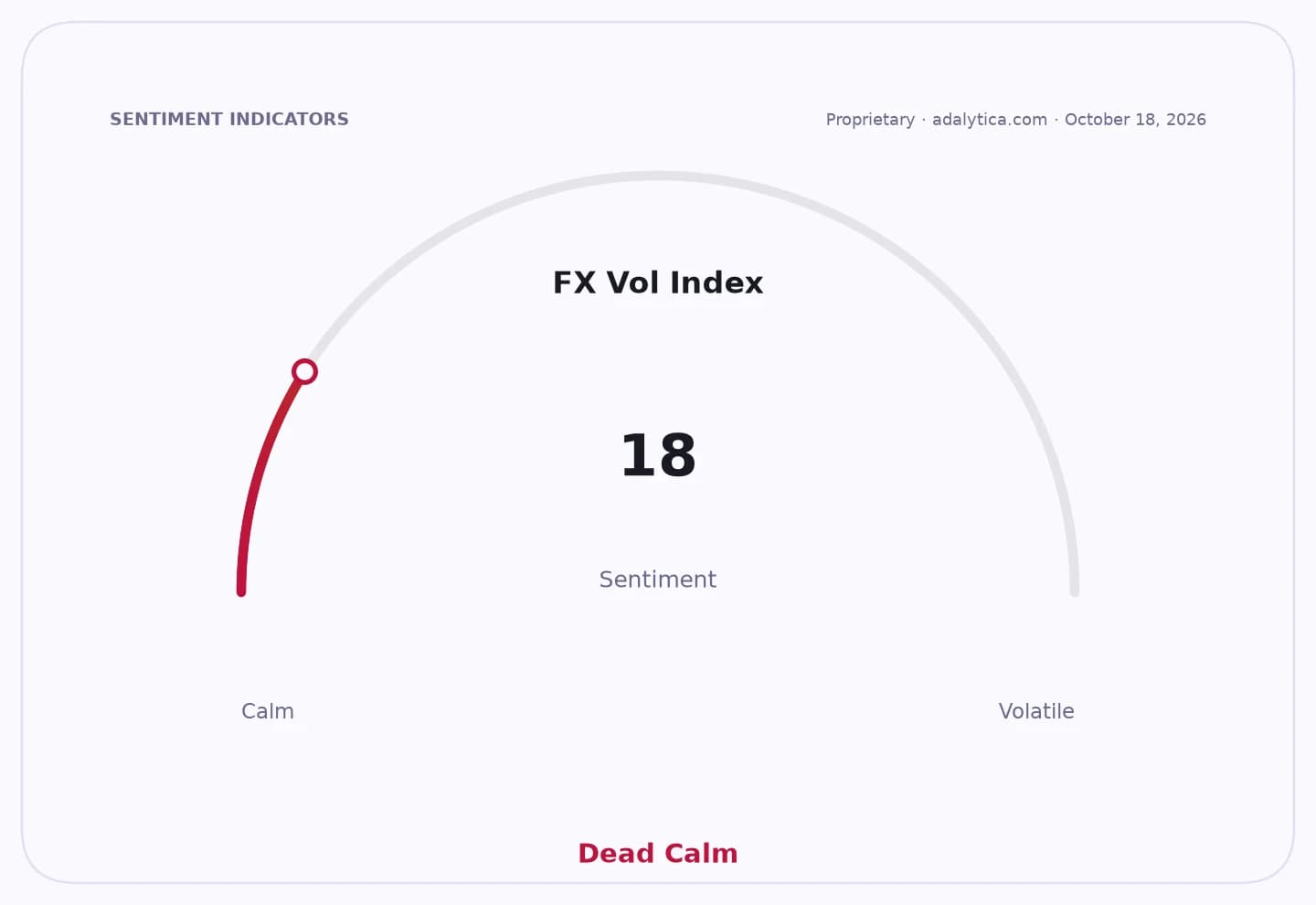
Sentiment IndicatorsⓘProprietary · adalytica.com · October 18, 2026
This is a snapshot — live sentiment, awareness and momentum for 130+ markets update continuously in the dashboard.Open AlphaPulse
That predictability is the real economic prize. In frontier markets, FX uncertainty is a tax on trade, pricing and capital formation. When companies cannot forecast dollar availability, they either hoard inventory, widen pricing buffers or delay payments. A more transparent allocation system can reduce those distortions, ease pressure on the cedi and improve confidence for import-heavy sectors from consumer goods to energy and manufacturing. For the government, it also offers a cleaner mechanism to channel gold-related FX flows into the formal market rather than letting demand spill into the parallel market.
Acheampong was careful to draw the line between GoldBod’s role and the Bank of Ghana’s. The central bank, he said, still has the job of stepping in when exchange-rate moves become disorderly. That division matters for investors because it suggests the framework is not a substitute for monetary defense, but a distribution mechanism layered on top of it. In other words, GoldBod may smooth access to dollars, while the Bank of Ghana remains the backstop against a run in the currency.
The market implications are straightforward. If the platform works, it could narrow bid-ask spreads, reduce import settlement delays and lower the premium on dollar liquidity. That would be supportive for local debt, import-dependent corporates and foreign investors who have been wary of trapped liquidity and policy opacity. It also strengthens the case that Ghana is trying to institutionalize FX management rather than rely on ad hoc intervention.
The bigger narrative is that Ghana is moving toward a more rules-based dollar market at a time when emerging-market currencies are still vulnerable to external shocks and domestic confidence swings. If GoldBod can consistently deliver supply on a known timetable, the cedi’s volatility premium should fall, and that is the kind of shift markets usually reward long before the macro data fully catch up. Investors should watch whether the weekly auctions scale, whether allocation remains transparent and whether the Bank of Ghana needs to intervene less often as the framework matures.
| Entity | Gains | Losses |
|---|---|---|
| GoldBod | ▲More market credibility | ▼Opaque ad hoc FX deals |
| Commercial banks | ▲Predictable dollar access | ▼Scarcity-driven bidding |
| Importers | ▲Lower FX uncertainty | ▼Wider pricing buffers |
| Bank of Ghana | ▲Better volatility control | ▼Some policy burden remains |