Demand for foreign exchange in Malawi’s bureaux de change has started to tumble, a sign that sharply higher pricing is squeezing households and businesses out of the informal market and potentially easing some pressure on the country’s scarce hard-currency supplies.
Malawi bureau FX demand falls as prices rise
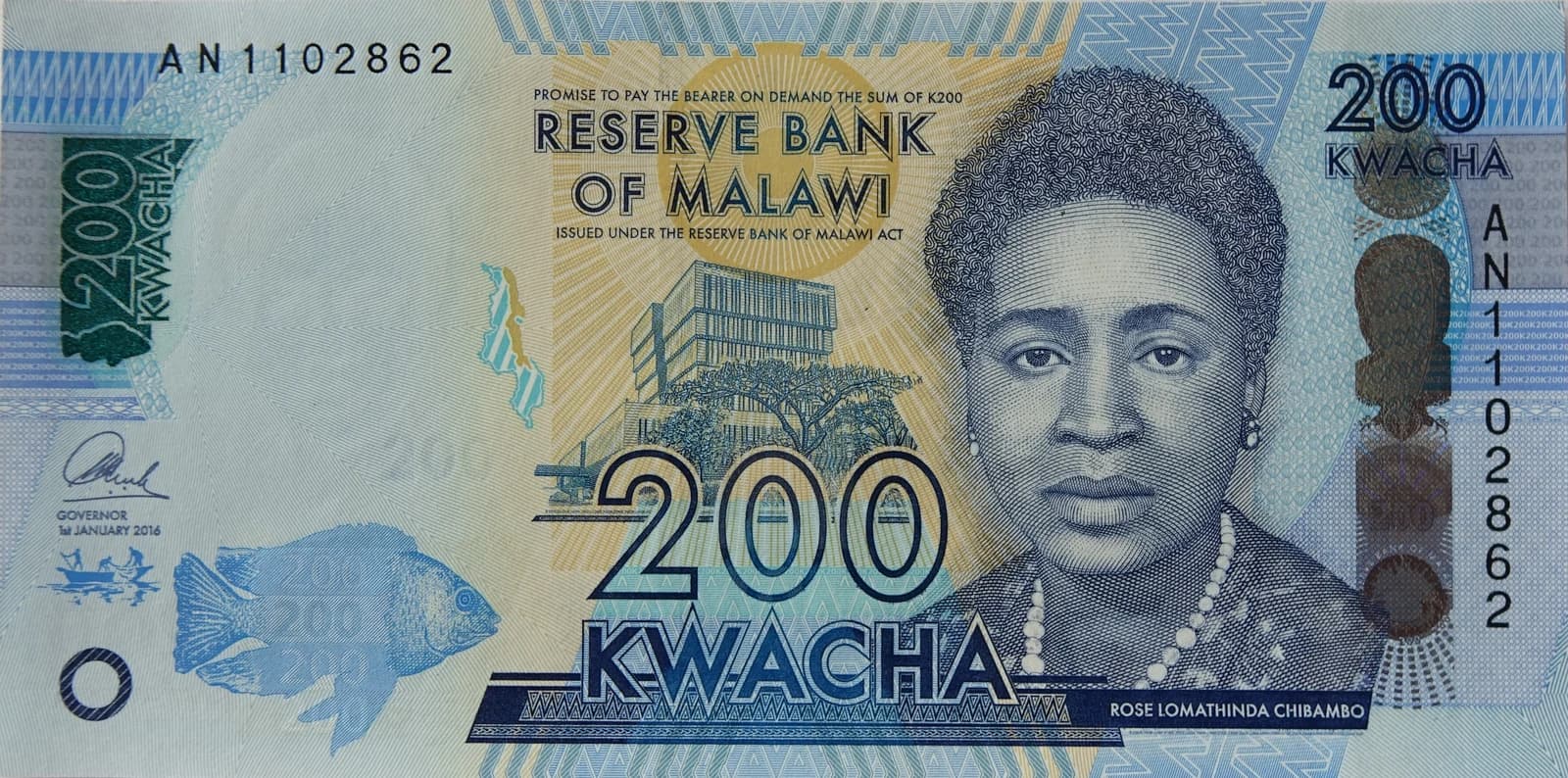
Reserve Bank of Malawi Director of Financial Markets Chakudza Linje said the pullback was becoming visible at bureaux, underscoring how price, not just availability, is shaping demand in a foreign-exchange market that has been under strain for months. For a country that depends heavily on imports and already faces tight access to dollars, any slowdown in retail FX demand matters because it can reduce immediate pressure on the kwacha and on official reserves, even if it does not solve the underlying shortage of foreign currency.
The shift also highlights the distortion created when parallel or semi-formal FX channels become too expensive. As bureaux raise rates to reflect scarcity and risk, smaller buyers often delay purchases, cut imports or move transactions into the formal banking system where possible. That can temporarily reduce turnover in bureaux, but it also raises the cost of doing business for importers that rely on quick access to cash dollars for fuel, food, medicines and other essentials.
For investors and businesses, the more important question is whether weaker bureau demand reflects genuine stabilization or simply demand destruction. If the fall is driven by unaffordable pricing, it suggests the FX market remains tight and the pressure will likely reappear once importers have no choice but to restock. If, however, it signals better official supply or tighter controls on speculative buying, it could point to a modest easing in near-term currency volatility.
The development comes against a backdrop of broader macro strain in Malawi, where foreign exchange shortages have repeatedly complicated import payments and added to inflationary pressure. Any improvement in access to hard currency would be welcome, but the RBM’s comments suggest the immediate relief is coming from reduced demand rather than a structural increase in supply. That means the market remains vulnerable to renewed stress if import needs rise or if confidence in the kwacha weakens further.
For now, the decline in bureau demand is a useful indicator that higher prices are rationing scarce forex. But it is not yet a sign that Malawi’s foreign-exchange problem has been solved.
| Entity | Gains | Losses |
|---|---|---|
| Reserve Bank of Malawi | ▲Lower bureau pressure | ▼Broader FX shortage persists |
| Bureau de change operators | ▲Tighter pricing power | ▼Lower transaction volumes |
| Importers and small businesses | ▲None | ▼Higher FX costs |
| Kwacha stability | ▲Near-term relief | ▼Underlying supply weakness |