Libya’s central bank is working to keep cash dollars flowing into the country, a move aimed at easing pressure on local banks and narrowing the gap between official foreign-exchange supply and demand in a market still prone to cash shortages and parallel-market distortions.
Libya central bank keeps cash dollars flowing
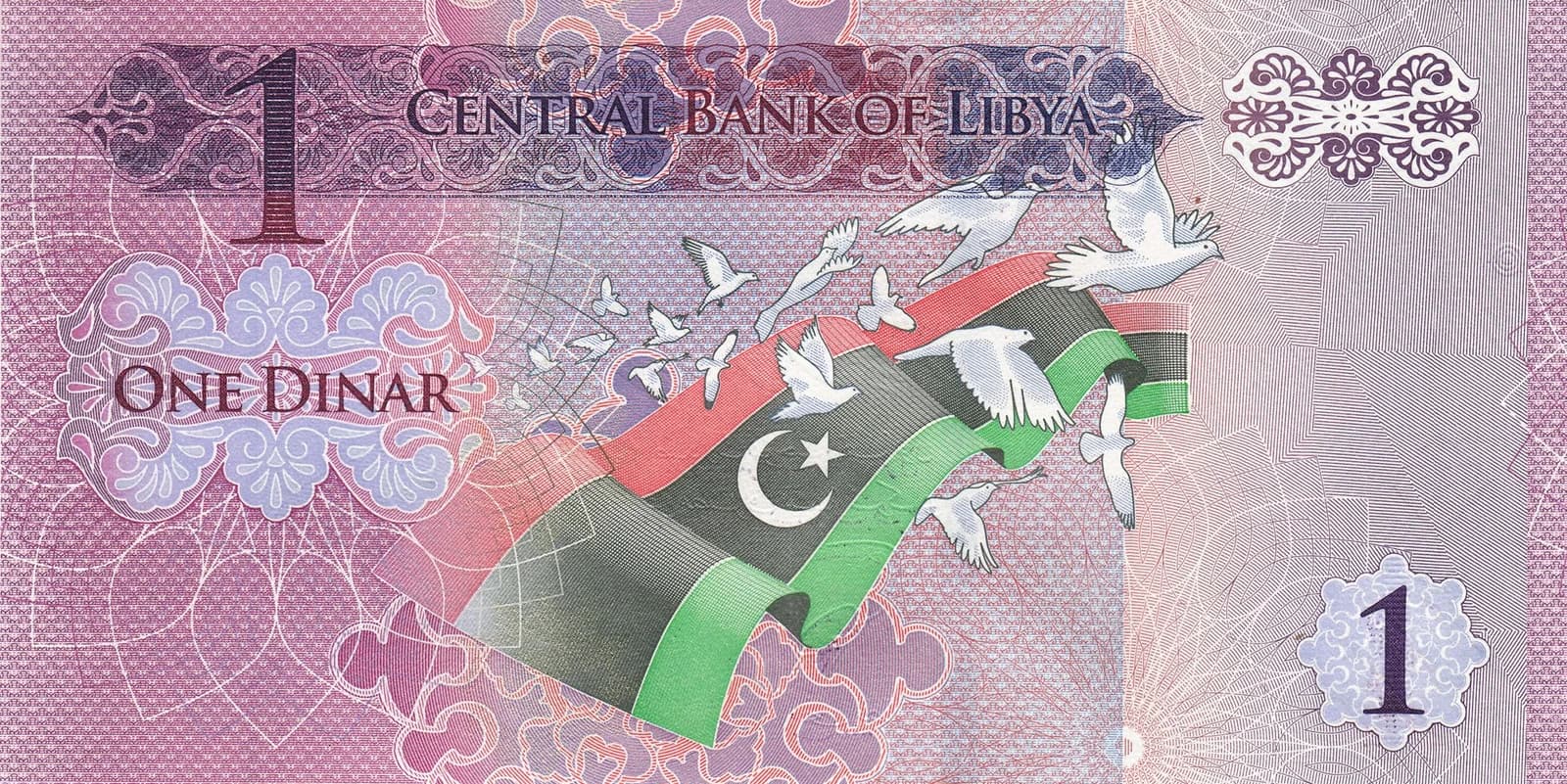
Governor Naji Mohammed Issa discussed continued dollar cash shipments with Nomisma Bank chairman and chief executive Vivek Tyagi on the sidelines of the IMF and World Bank annual meetings in Bangkok, according to a statement from the Central Bank of Libya. The two sides reviewed the results of dollar distribution through commercial banks across the country and agreed to keep coordinating on further shipments based on market needs.
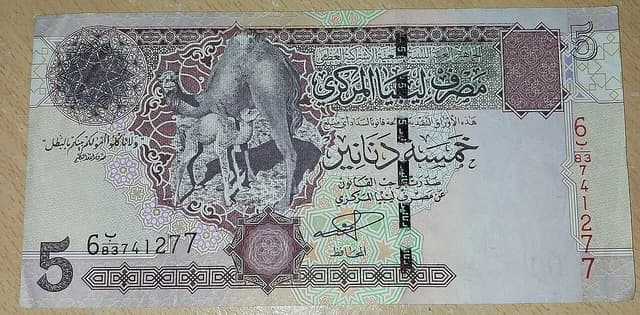
For Libya, where access to foreign currency remains a core economic constraint, the arrangement matters because it is one of the few channels through which households and businesses can obtain hard currency through the formal banking system. By increasing the supply of cash dollars, the central bank is trying to support import payments, reduce incentives to use the informal market and reinforce its control over FX allocation at a time when currency access has direct implications for prices, trade and consumer confidence.
The central bank said it valued Nomisma’s response to its requests and its commitment to deliver the required dollar volumes. Nomisma, for its part, praised the Libyan authorities’ efforts to sell and distribute cash dollars to citizens under regulatory supervision. That suggests the relationship is not a one-off transaction but part of an ongoing mechanism that Libya is relying on to manage shortages and stabilize distribution.
Investors and traders will read the message less as a routine banking update than as a signal that Libya’s FX management remains active and dependent on external banking counterparts. Any improvement in cash dollar availability can ease pressure on import-dependent sectors and reduce demand in the parallel market, but the broader challenge remains structural: a fragmented banking system, high dollarization of consumer demand and a domestic economy still sensitive to shifts in liquidity and policy execution.
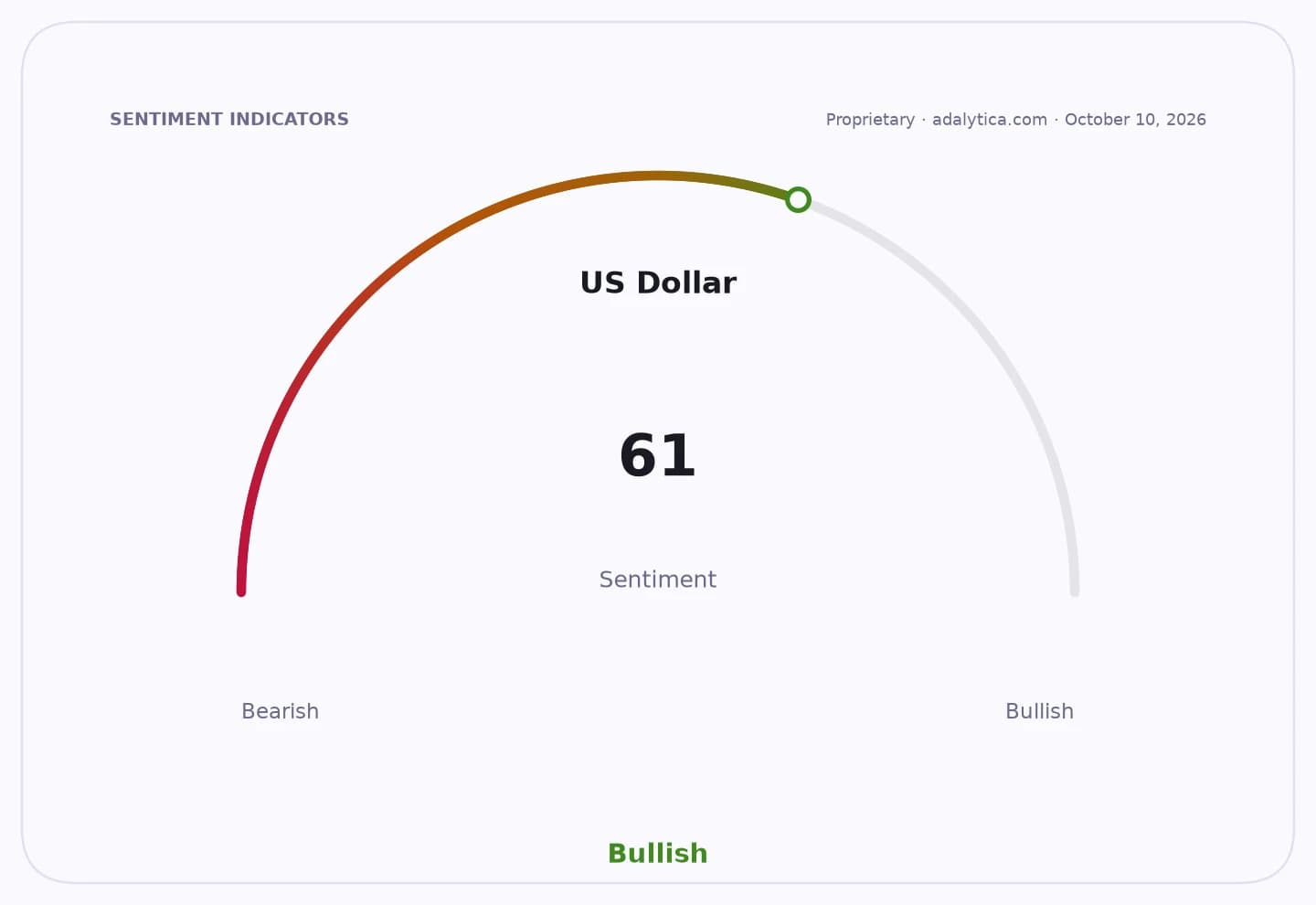
The backdrop is a softer dollar globally, with the dollar index trading below recent highs, but Libya’s issue is not primarily about the dollar’s international value. It is about access, distribution and confidence in the formal system. The central bank’s ability to secure continued shipments will help determine whether the official channel can keep pace with demand or whether pressure on the street market will persist.
| Entity | Gains | Losses |
|---|---|---|
| Central Bank of Libya | ▲More FX control | ▼Parallel-market pressure if supply lags |
| Commercial banks | ▲More dollar inventory | ▼Higher compliance burden |
| Households and importers | ▲Easier access to cash dollars | ▼Less reliance on informal market |
| Parallel FX market | ▲Lower demand if shipments rise | ▼Higher pressure and thinner spreads |