A planned 10% wage increase may do little to lift living standards and could worsen Libya’s fiscal strains if inflation keeps eating into paychecks faster than salaries rise, according to economist Hilmi El-Gamaty.
Libya wage hike may worsen fiscal strain
The warning goes to the heart of a familiar but costly policy trap across inflation-prone economies: nominal wage gains can look generous on paper while real incomes stagnate, forcing governments to absorb higher recurrent spending without a matching jump in productivity or revenue. El-Gamaty argued that the real measure is not the headline increase but whether purchasing power improves after inflation and living costs are taken into account.
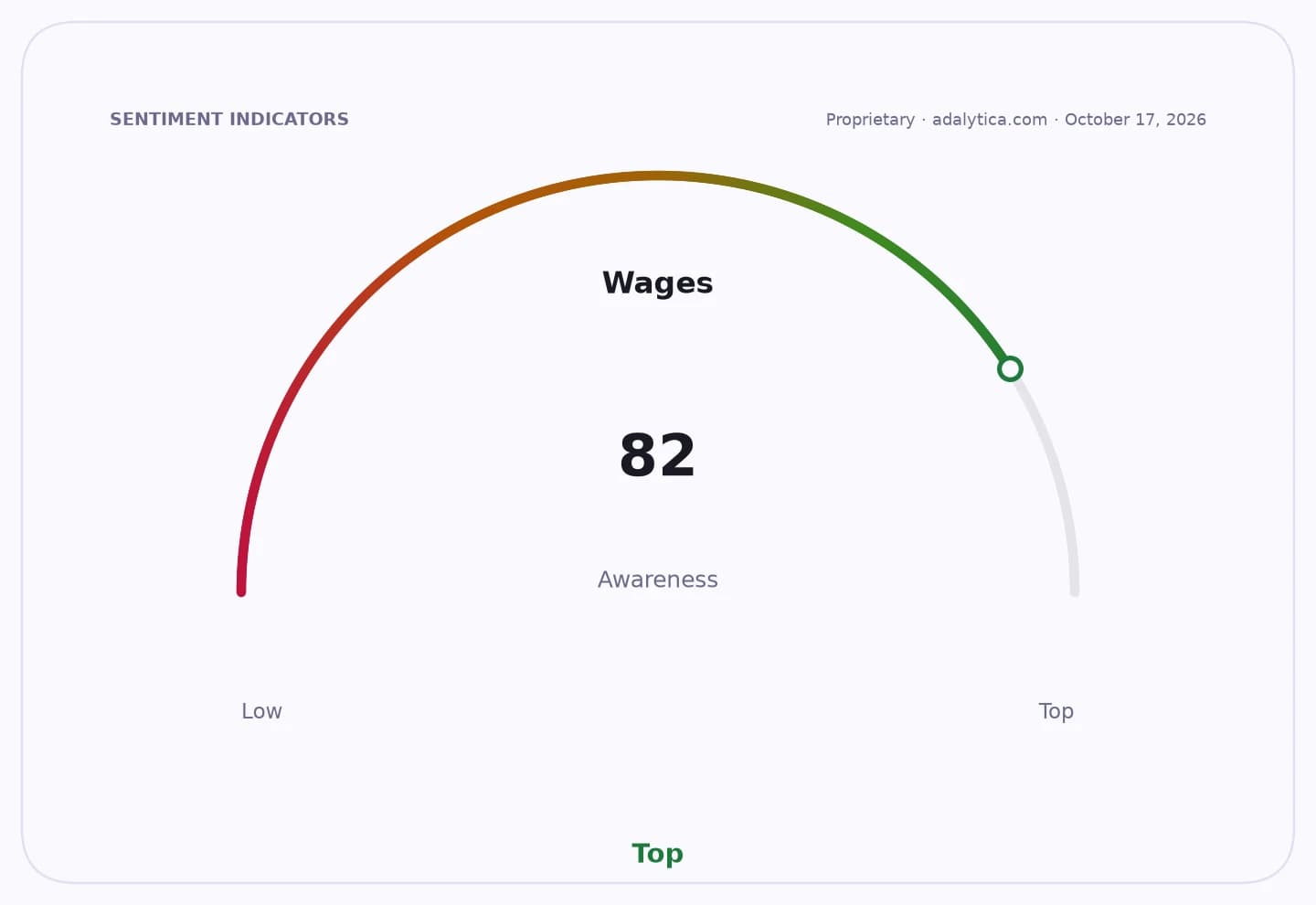
Sentiment IndicatorsⓘProprietary · adalytica.com · October 17, 2026
This is a snapshot — live sentiment, awareness and momentum for 130+ markets update continuously in the dashboard.Open AlphaPulse
That distinction matters because wages are a permanent budget commitment. If Libya raises pay without a durable lift in revenue or a broader shift in spending efficiency, the result can be a deeper deficit, tighter liquidity and renewed pressure on the currency. In a country where public payrolls already dominate state spending, even a modest wage move can crowd out investment and essential services.
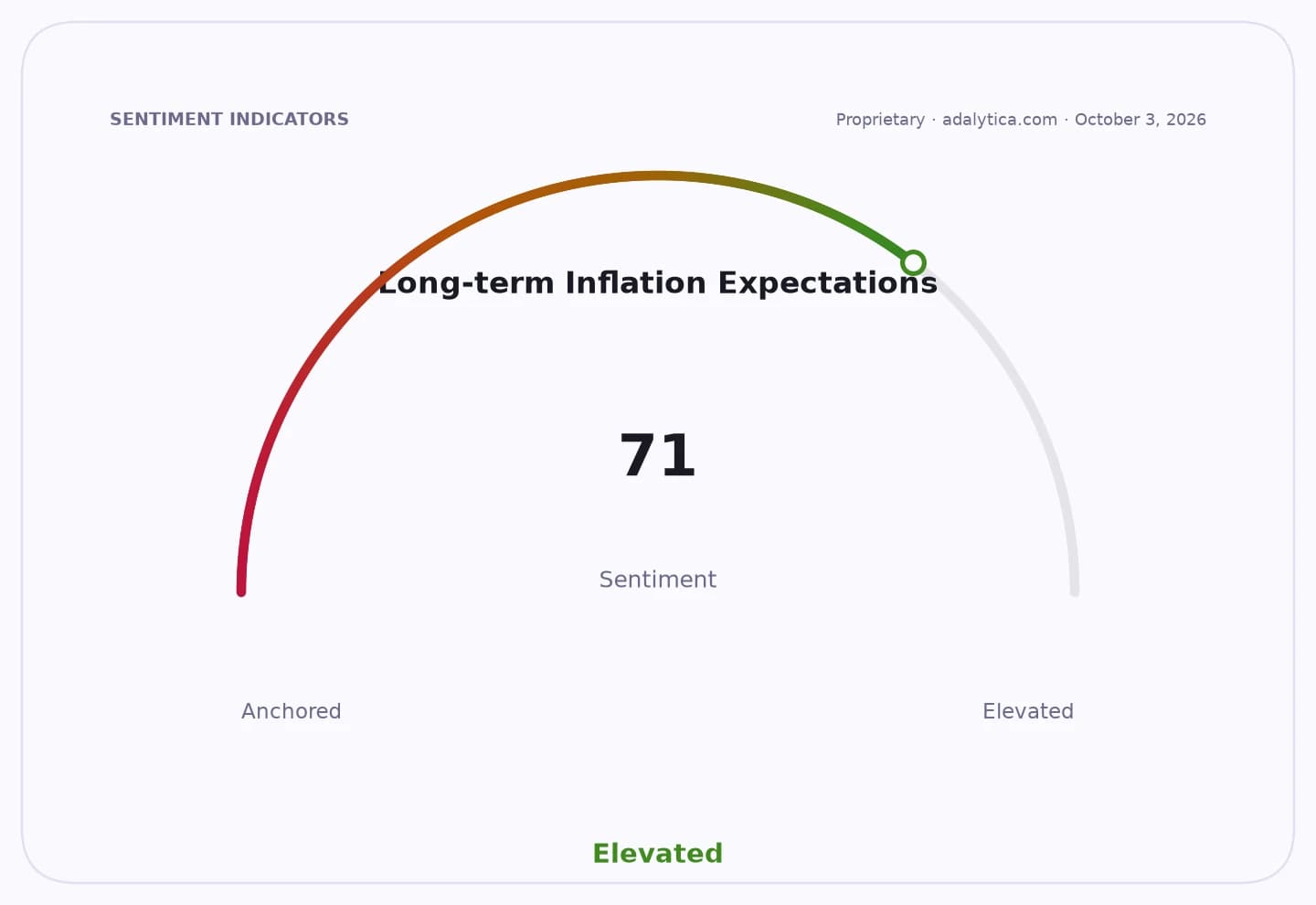
The macro backdrop makes the concern more than theoretical. Recent inflation and rate data across major economies show how quickly real purchasing power can be eroded when price pressures stay elevated, and market signals from inflation-linked sentiment remain extremely hot. Adalytica’s Long-Term Inflation Expectations Sentiment sits at 89, while Wage Inflation Sentiment is at 86, both in extreme-greed territory, underscoring that wage and price pressure remain a live investor theme even as rate-cut hopes linger.
For investors, the message is that Libya’s labor-policy debate is also a balance-sheet story. A larger wage bill can support consumer demand in the short run, but if it weakens fiscal credibility or pressures the dinar, it raises the risk premium across domestic assets and leaves import-dependent sectors exposed. It also increases the odds that authorities eventually have to choose between subsidizing wages, cutting investment or allowing a disorderly adjustment elsewhere in the economy.
El-Gamaty also questioned the legal basis of the proposal, saying an administrative decision cannot override existing legislation. That adds another layer of uncertainty for a policy that is already economically delicate.
The market takeaway is straightforward: the wage hike is not a growth catalyst unless it is matched by sustainable revenue and tighter spending discipline. Without that, it looks less like a boost to household welfare than another claim on a strained public balance sheet.
| Entity | Gains | Losses |
|---|---|---|
| Public-sector workers | ▲Higher nominal pay | ▼Inflation-adjusted income gains |
| Government employees’ households | ▲Near-term cash flow | ▼Purchasing power if prices rise |
| Libya’s budget | ▲Political relief if contained | ▼Fiscal deficit and liquidity |
| Importers and consumers | ▲Short-term demand support | ▼Currency pressure and higher costs |