Inflation has now outpaced wage growth in Bangladesh for 56 straight months, leaving workers with less money for food, healthcare and education and raising the risk that more households slip back into poverty.
Bangladesh Inflation Outpaces Wages for 56 Months
The squeeze is worsening even as authorities try to cushion living costs. Wage growth slowed to 7.9% in September from 8.05% in August, according to the Bangladesh Bureau of Statistics, while a recent energy price increase threatens to add another layer of pressure to household budgets.
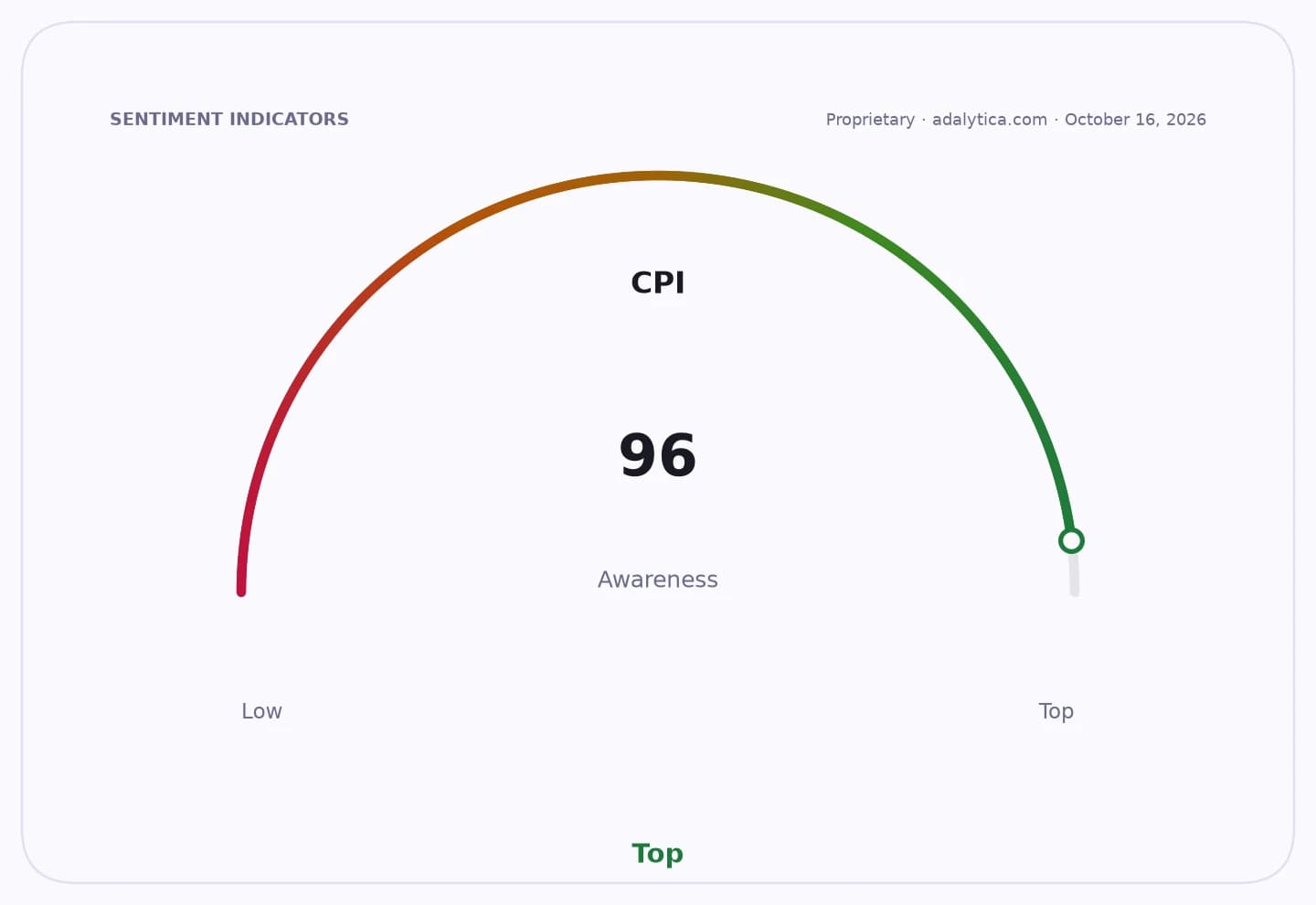
Sentiment IndicatorsⓘProprietary · adalytica.com · October 16, 2026
This is a snapshot — live sentiment, awareness and momentum for 130+ markets update continuously in the dashboard.Open AlphaPulse
That gap matters because it goes straight to consumer demand in one of South Asia’s fastest-growing economies. When pay fails to keep up with prices, spending weakens at the bottom of the income ladder first, hitting essentials before discretionary purchases and feeding a broader drag on growth.
Economists say the problem is not just inflation, but a labour market that cannot deliver stronger pay. They point to widespread informality, weak bargaining power, too many jobseekers for too few jobs and stagnant investment as the structural reasons wages are stuck behind prices.
“This is not simply a question of supply and demand. It is also a question of institutional bargaining power,” said Hossain Zillur Rahman, executive chairperson of the Power and Participation Research Centre. He said the wage gap reflects economic stagnation and a shortage of productive employment, warning that prolonged erosion of real wages could push households below the poverty line.
Sayema Haque Bidisha, an economics professor at the University of Dhaka, said Bangladesh lacks a strong wage protection system and regular adjustment mechanism, leaving many workers exposed when inflation rises. She said the official wage index also misses much of the labour market, especially informal workers whose pay may be falling even if daily-wage data suggest otherwise.
The strain is most visible in low-paid agriculture, brick kilns, poultry farms and other labour-intensive sectors, where employers can replace workers without raising pay. A Bangladesh Bureau of Statistics official said many workers change jobs without seeing higher remuneration, while women entering farm work often earn less than men.
For investors, the prolonged real-wage erosion is a demand-side warning. It points to softer household consumption, weaker pricing power in mass-market businesses and a more fragile social backdrop for policymakers already trying to balance inflation control with growth support.
The next test is whether food inflation keeps easing and whether non-food costs, including energy, stay contained. If not, the wage gap will likely persist — and with it, pressure on consumption, poverty and the policy outlook.
| Entity | Gains | Losses |
|---|---|---|
| Employers in informal sectors | ▲Lower labour costs | ▼Workers’ bargaining power |
| Urban and rural wage earners | ▲None | ▼Real purchasing power |
| Consumer-facing businesses | ▲None | ▼Household demand |
| Policymakers | ▲Some inflation relief if demand cools | ▼Poverty and social pressure |