Bangladesh is heading toward a nastier mix of slower growth and stickier inflation, with the International Monetary Fund now forecasting consumer prices will climb to 10.9% by the end of the fiscal year while GDP growth cools to 3.2%.
Bangladesh IMF Forecast Cuts Growth to 3.2% and Inflation
That combination matters because it is the kind of macro setup that squeezes households, pressures companies and leaves policymakers with few painless options. For investors, it usually means weaker consumer demand, tighter margins and a harder backdrop for anything tied to domestic spending.
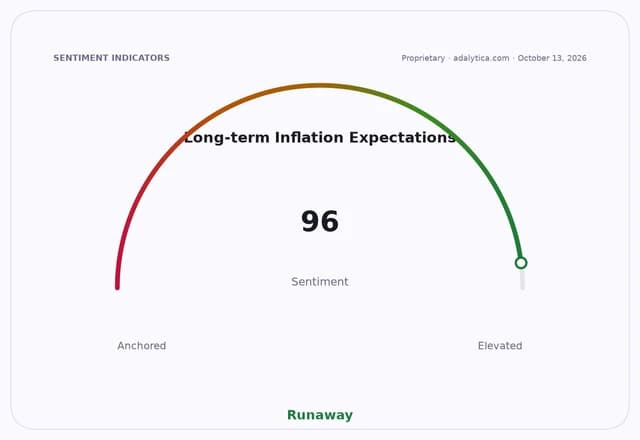
Sentiment IndicatorsⓘProprietary · adalytica.com · October 13, 2026
This is a snapshot — live sentiment, awareness and momentum for 130+ markets update continuously in the dashboard.Open AlphaPulse

The IMF’s latest World Economic Outlook, released during the annual meetings in Bangkok, marks a sharp downgrade from its April estimate for Bangladesh’s growth of 4.3%. If the new projection proves right, it would be one of the weakest performances in decades and below forecasts from both the World Bank and the Asian Development Bank.
The Fund’s view is especially notable because it now sees growth falling below the pandemic-era pace. Bangladesh posted GDP growth of 3.45% in fiscal 2019-20, and official historical data suggest the IMF’s forecast would imply the weakest expansion in nearly four decades. That is not just an academic downgrade — it is a warning that the economy is losing momentum at the same time prices are still rising too fast.
For the government, the message is uncomfortable. Inflation close to 11% erodes real incomes, narrows room for fiscal relief and complicates efforts to support growth without reigniting price pressures. For the central bank, it means policy will likely remain constrained: easing too soon risks keeping inflation elevated, while staying tight for too long could deepen the slowdown.
The broader investment read-through is also clear. Higher inflation and slower growth tend to favor exporters, firms with pricing power and hard-currency earners, while punishing lenders to domestic consumers, import-dependent businesses and companies reliant on discretionary spending. If the IMF is right, Bangladesh’s equity market and local-currency assets may face another year of uneven returns until inflation convincingly peaks.
The government still targets 6.5% growth for the fiscal year, a reminder of how wide the gap has become between official aspirations and external forecasts. For investors, that gap is what matters most: the economy is still growing, but not fast enough to offset the damage from persistent inflation. That makes Bangladesh a market to watch carefully, and one where patience and selectivity will matter more than optimism alone.
| Entity | Gains | Losses |
|---|---|---|
| Exporters | ▲Stronger pricing power | ▼Importers’ cost relief |
| Domestic consumers | ▲Few clear beneficiaries | ▼Real incomes |
| Local borrowers | ▲Longer policy support hopes | ▼Higher borrowing costs |
| Bangladesh equities | ▲Selective value in exporters | ▼Cyclical domestic names |