Bangladesh’s remittance inflows climbed 9.2% in the first 12 days of October from a year earlier, a small but important gain that helps steady the country’s external finances at a time when households still depend heavily on money sent home from abroad.
Bangladesh remittances rise 9.2% in early October

The Bangladesh Bank said remittances reached $129 million in the first 12 days of October, up from $118 million in the same period last year. That matters because remittances remain one of Bangladesh’s most reliable sources of foreign exchange, helping support the currency, ease pressure on reserves and cushion the current account when exports or capital flows weaken.
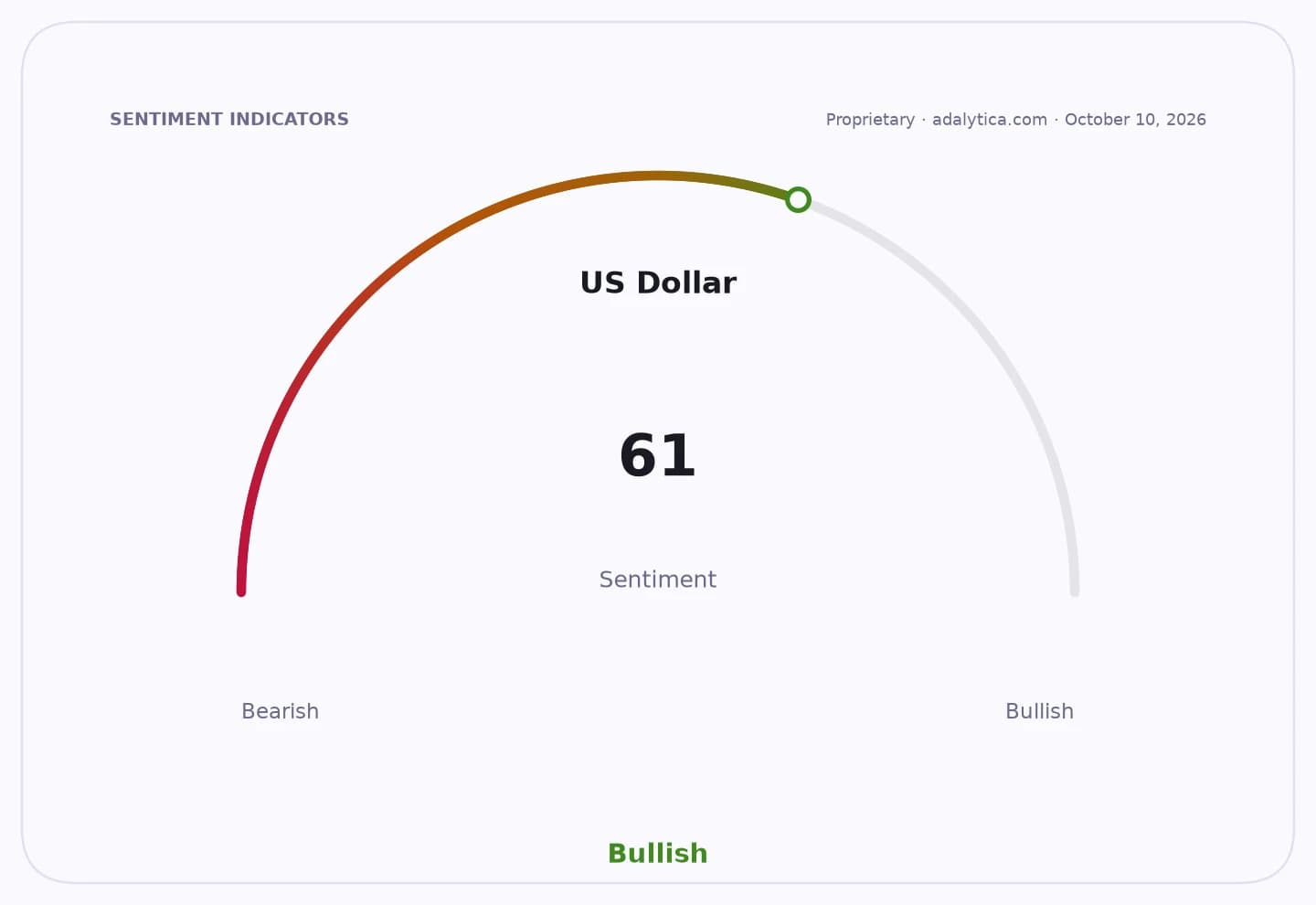
Sentiment IndicatorsⓘProprietary · adalytica.com · October 13, 2026
This is a snapshot — live sentiment, awareness and momentum for 130+ markets update continuously in the dashboard.Open AlphaPulse
For investors, the number is less about the headline growth rate than what it says about resilience. A 9.2% increase is not explosive, but it is enough to suggest that labor income from abroad is still flowing despite a tougher global backdrop for migrant workers, tighter financial conditions and slower trade in many markets. In an economy like Bangladesh’s, even modest improvement in remittance receipts can help stabilize the taka and reduce the need for emergency policy support.
The bigger narrative is that remittances continue to act as a shock absorber for a consumption-driven economy. Those transfers usually filter quickly into household spending on food, rent, education and small-business activity, which means the flow supports domestic demand even when other parts of the economy are under strain. That makes the trend economically meaningful well beyond the foreign-exchange line item.
The flow also matters to policymakers. Stronger remittances can give Bangladesh more breathing room on imports and external debt service, while weaker inflows can force tighter controls or more pressure on the currency. For investors watching Bangladeshi assets, the direction of remittances can influence sentiment around sovereign stability, banking liquidity and the outlook for the taka.
The question now is whether October’s early gain can hold through the rest of the month. If it does, it would reinforce the case that Bangladesh’s external position is improving from a low base. If it fades, the country may still rely on administrative measures and export earnings to do the heavier lifting. Either way, remittances remain a vital support for the economy and a data point worth watching closely.
| Entity | Gains | Losses |
|---|---|---|
| Bangladesh households | ▲More spending power | ▼None directly |
| Bangladesh economy | ▲Better forex support | ▼Less pressure relief if inflows slow |
| Taka / FX reserves | ▲More stability | ▼Vulnerability to import demand |
| Exporters / policymakers | ▲Breathing room on external accounts | ▼Need stronger growth if remittances weaken |