The Reserve Bank of India has stepped in aggressively to stop the rupee’s slide, opening a special dollar window for the country’s biggest fuel importers and tightening currency-market rules in a bid to cool speculation after the currency hovered near record lows.
RBI Steps In to Support Rupee

That matters because the rupee’s weakness is no longer just a trading-room problem. A falling currency raises the cost of India’s oil imports, fuels imported inflation and risks widening the current-account strain at a time when global dollar demand remains strong. For investors, the RBI’s move is a clear signal that policymakers are willing to spend reserves and lean harder on derivatives markets to slow a self-reinforcing selloff before it becomes a broader financial stability issue.
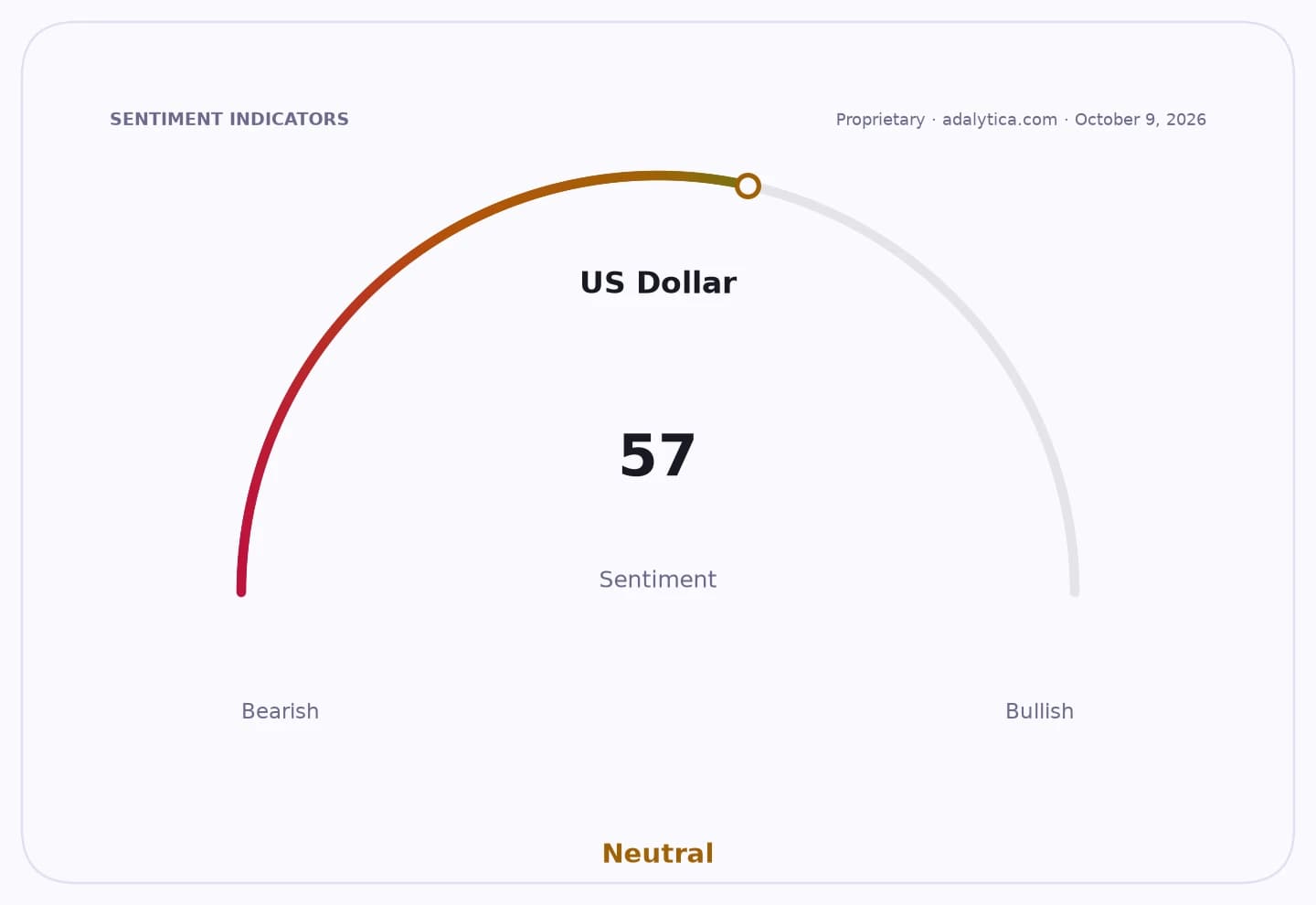
Sentiment IndicatorsⓘProprietary · adalytica.com · October 13, 2026
This is a snapshot — live sentiment, awareness and momentum for 130+ markets update continuously in the dashboard.Open AlphaPulse
The rupee had closed at 96.73 against the dollar on Friday, just shy of its all-time low of 96.96 hit in May. By Saturday, the central bank had announced a three-pronged response aimed at restoring calm. First, it created a dedicated facility for Indian Oil, Hindustan Petroleum and Bharat Petroleum, allowing the three state-run refiners to draw dollars directly from the RBI’s foreign-exchange reserves rather than buying in the open market. Second, it cut position limits in exchange-traded currency derivatives by 95% to $5 million from $100 million. Third, it barred foreign-exchange dealers from re-booking client trades and ordered them to set aside 20% of each transaction’s notional value as an FX risk reserve.
This is the RBI targeting the plumbing of the rupee market, not just the headline exchange rate. Oil companies are among the largest and most predictable sources of dollar demand in India, so redirecting that demand away from spot markets can reduce immediate pressure on the currency. Tightening derivative rules, meanwhile, is designed to squeeze speculative bets that can exaggerate daily swings. Together, the steps show the central bank is prioritizing volatility control over passivity.
Markets got the message quickly. In the non-deliverable forward market, where rupee expectations are often priced first, the one-month dollar-rupee contract fell by about 40 paise in thin trade after the measures were announced. The rupee also strengthened sharply in broader trading, recovering toward 95.76, a sign that investors see a more forceful backstop in place for now.
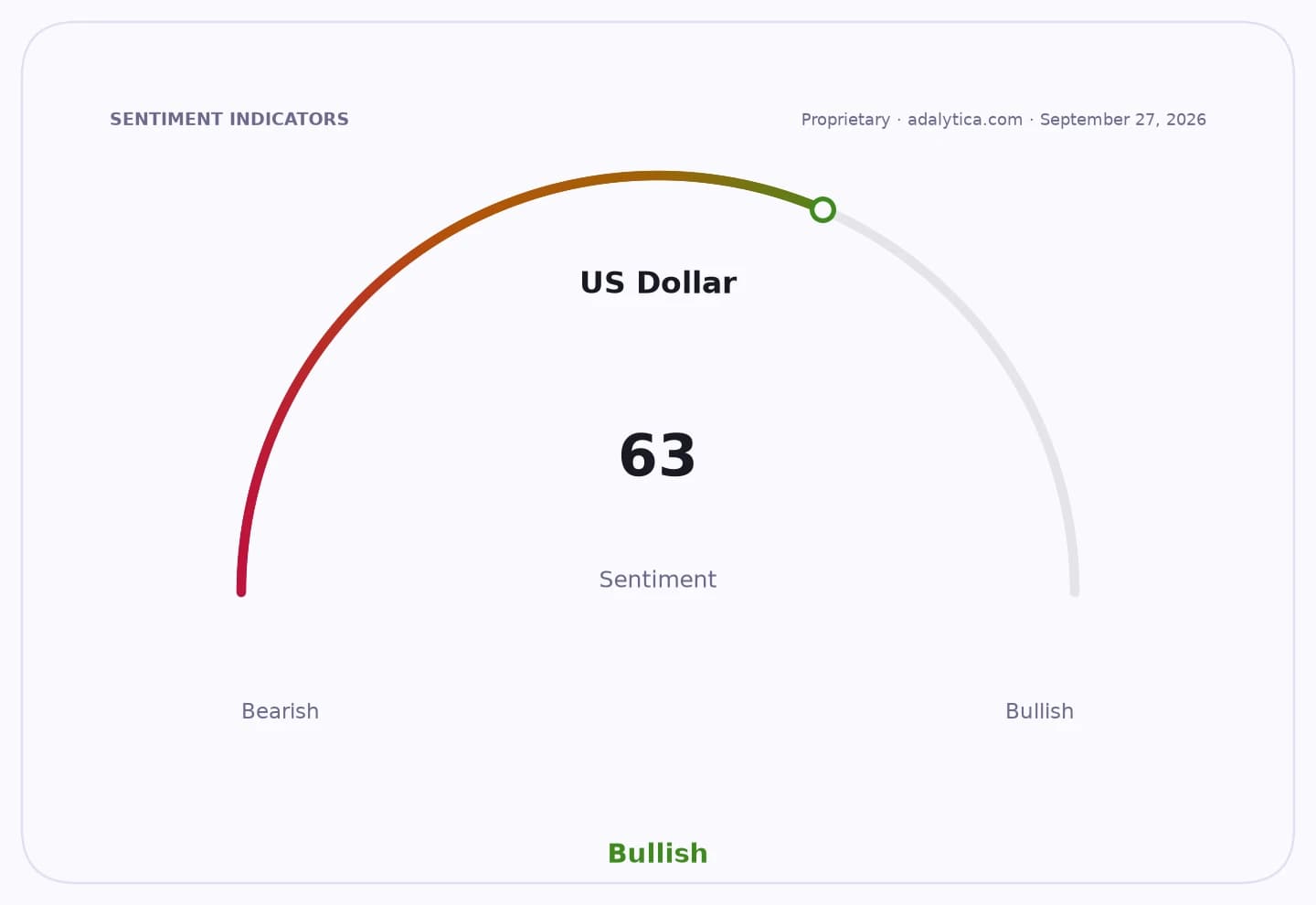
The move is also a reminder that India’s macro story is becoming more exposed to the global dollar cycle. The dollar has been gaining strength, with Adalytica’s US Dollar Trade Signals showing “Extreme Greed,” while the rupee has been under pressure from import demand and capital-flow stress. If that dollar strength persists, the RBI may have to keep intervening, and every round of defense raises the question of how long the central bank wants to lean on reserves before other tools, including interest rates or fiscal support, are required.
For investors, the near-term winners are state refiners and companies that benefit from calmer FX markets, while the losers are speculators betting on further rupee weakness and import-heavy sectors that would otherwise face a disorderly currency move. The bigger takeaway is that India is drawing a line: the RBI will not let dollar demand dictate the rupee without a fight. If the intervention holds, it could buy time for the currency and for risk assets tied to India’s domestic stability. If it doesn’t, this becomes the opening act of a broader policy defense.
| Entity | Gains | Losses |
|---|---|---|
| RBI / Indian policymakers | ▲Short-term currency stability | ▼Foreign-exchange reserve usage |
| IOCL, HPCL, BPCL | ▲Direct dollar access | ▼Less freedom to source dollars in spot market |
| Rupee bulls | ▲Intervention-backed support | ▼Speculators on further depreciation |
| Importers / inflation-sensitive sectors | ▲Lower FX volatility | ▼Still vulnerable if dollar strength persists |