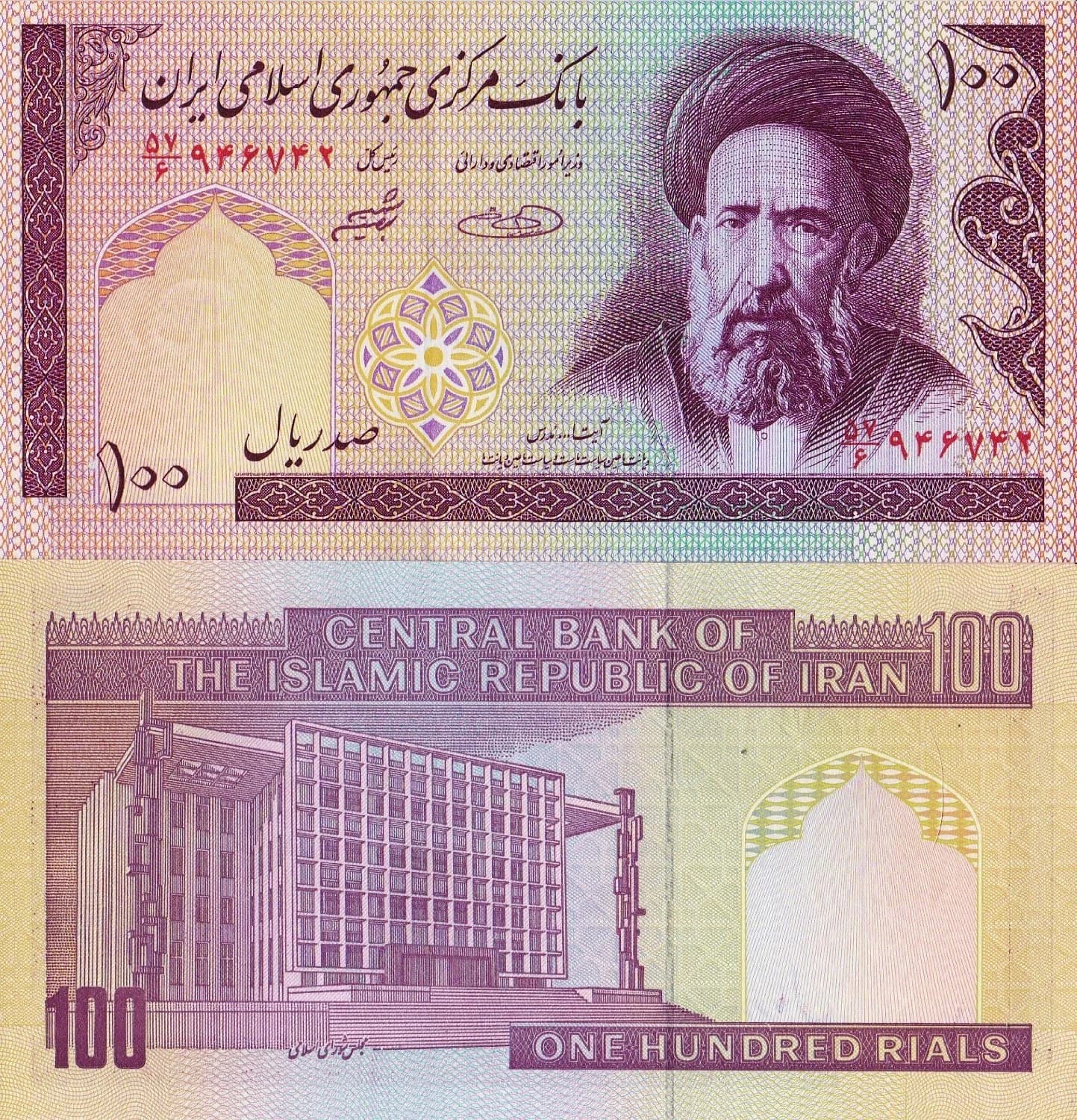
Iran’s central bank governor has accused the United States and Israel of targeting the currency market, a charge that underscores how exchange-rate stability has become a front line in a wider economic and geopolitical confrontation.
Iran central bank warns on rial pressure
The allegation matters because any perception of foreign pressure on the rial can quickly feed into inflation expectations, import costs and public confidence, especially in an economy already vulnerable to sanctions, capital flight and periodic waves of dollar demand. When currency traders and households fear a weakening exchange rate, they often rush into hard assets, amplifying the very volatility policymakers are trying to contain.
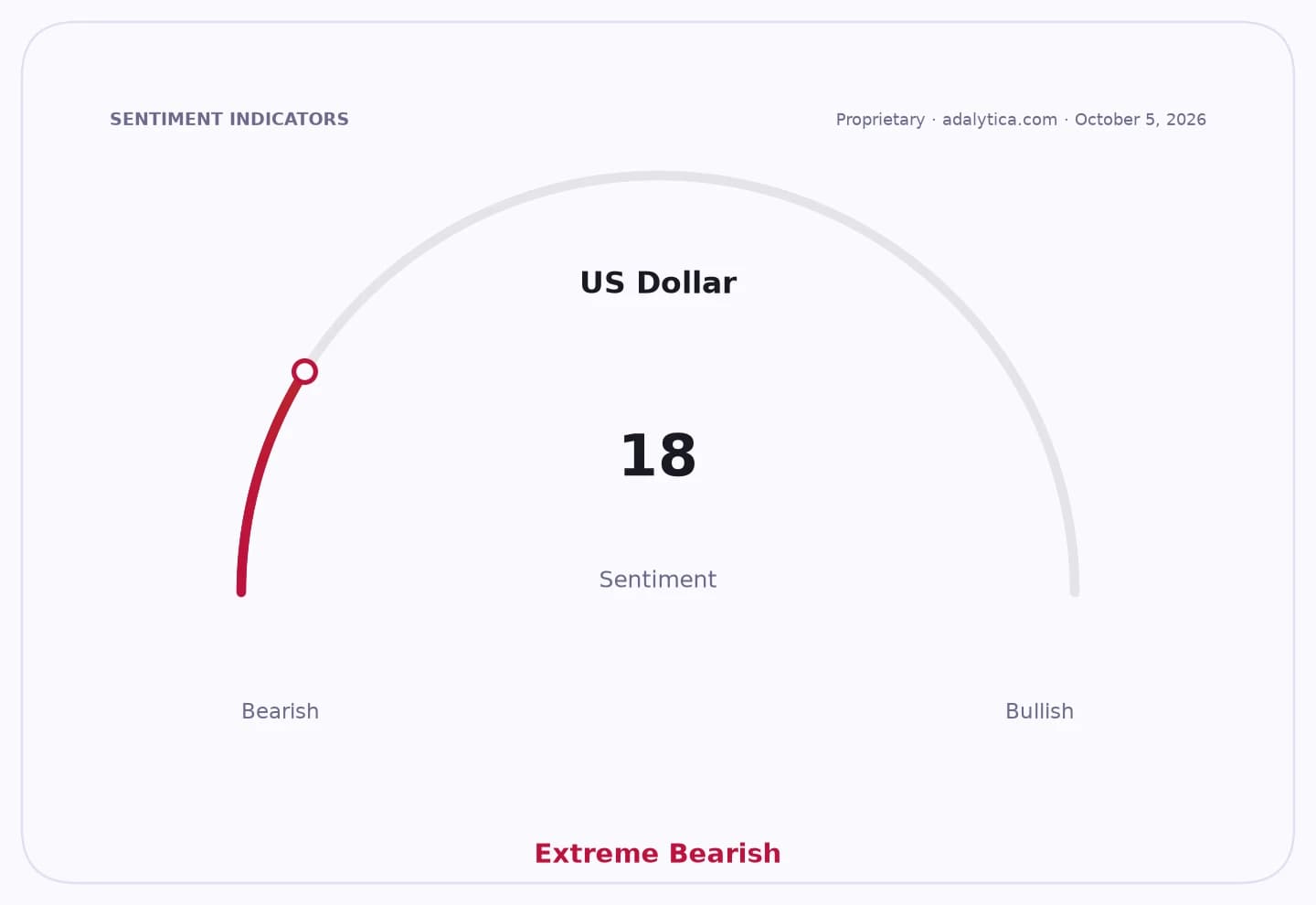
Sentiment IndicatorsⓘProprietary · adalytica.com · October 5, 2026
This is a snapshot — live sentiment, awareness and momentum for 130+ markets update continuously in the dashboard.Open AlphaPulse
Economic security police chief Hussein Rahimi separately warned that websites and channels circulating “unrealistic” or “bubble” exchange rates would be dealt with, saying such prices raise pressure on consumers and make conditions harder for merchants. That is a sign authorities are not only trying to manage the currency itself, but also the information channels that influence it. In tightly managed FX markets, even unofficial quotes can become a policy problem if they shape expectations faster than the state can intervene.
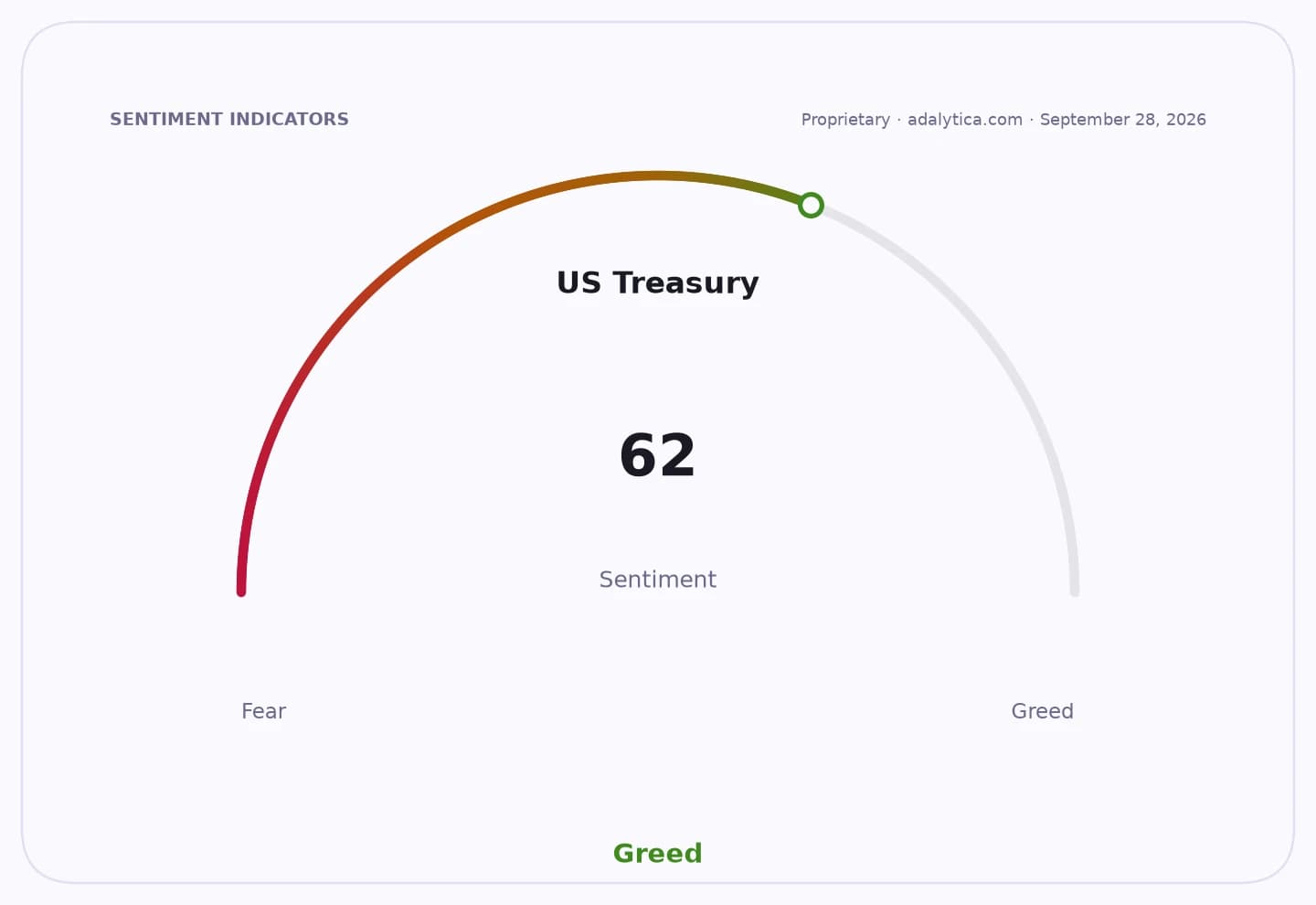
The backdrop is one of broad dollar strength. The dollar index, tracked by the U.S.-listed UUP exchange-traded fund, has climbed to 29.03, above its 50-day and 200-day moving averages, while its relative strength index sits at 85.9, a level that typically suggests the move is stretched. That rally coincides with a rise in U.S. policy expectations: the fed funds rate is seen at 3.726% for October, after a September reading of 3.75%, while the 10-year Treasury yield is forecast around 5.297%. Stronger U.S. rates tend to support the dollar globally and tighten financial conditions elsewhere.
The euro and yen moves show how uneven that pressure has been. FXE, the euro tracker, closed at 103.28, below both its 50-day and 200-day averages, with RSI at 11.4, reflecting heavy recent selling in the common currency. By contrast, FXY, the yen fund, remains close to its 200-day average, but has been weaker over recent sessions, with RSI in the high 20s. For countries facing capital controls or sanctions, a firm dollar usually translates into a steeper premium between official and parallel-market exchange rates.
For investors, the main issue is not the political accusation itself but what it implies about policy risk. If Iranian officials believe foreign actors are pressuring the currency market, the likely response is tighter enforcement, more intervention and greater scrutiny of price discovery. That can temporarily reduce visible volatility, but it often widens the gap between official and market-clearing rates, distorts pricing for importers and exporters, and makes FX hedging more complicated.
The bullish case for the authorities is that a tougher stance on rumor-driven pricing and speculative channels could slow panic buying and preserve social stability. The bearish case is that administrative pressure rarely fixes a credibility problem: if households and businesses do not trust the exchange rate, they will keep seeking dollars, gold or other hard assets, forcing repeated interventions.
The next catalyst is whether authorities can narrow the gap between official pricing and the market’s own view of risk. If they cannot, the currency will remain a barometer of geopolitical tension as much as monetary policy, with every new sanction threat, diplomatic flare-up or U.S. rate move feeding directly into the FX market.
| Entity | Gains | Losses |
|---|---|---|
| Iranian authorities | ▲Short-term control narrative | ▼Credibility if market distrust persists |
| Dollar bulls | ▲Stronger safe-haven demand | ▼Nothing if pressure eases |
| Importers and consumers | ▲None | ▼Higher local prices |
| Parallel-market FX traders | ▲Volatility-driven turnover | ▼Tighter enforcement |