Iran has begun selling foreign currency through four banks in a bid to steady the rial, a move that underscores just how much pressure sanctions and economic strain have put on the country’s exchange market.
Iran central bank sells dollars to support rial
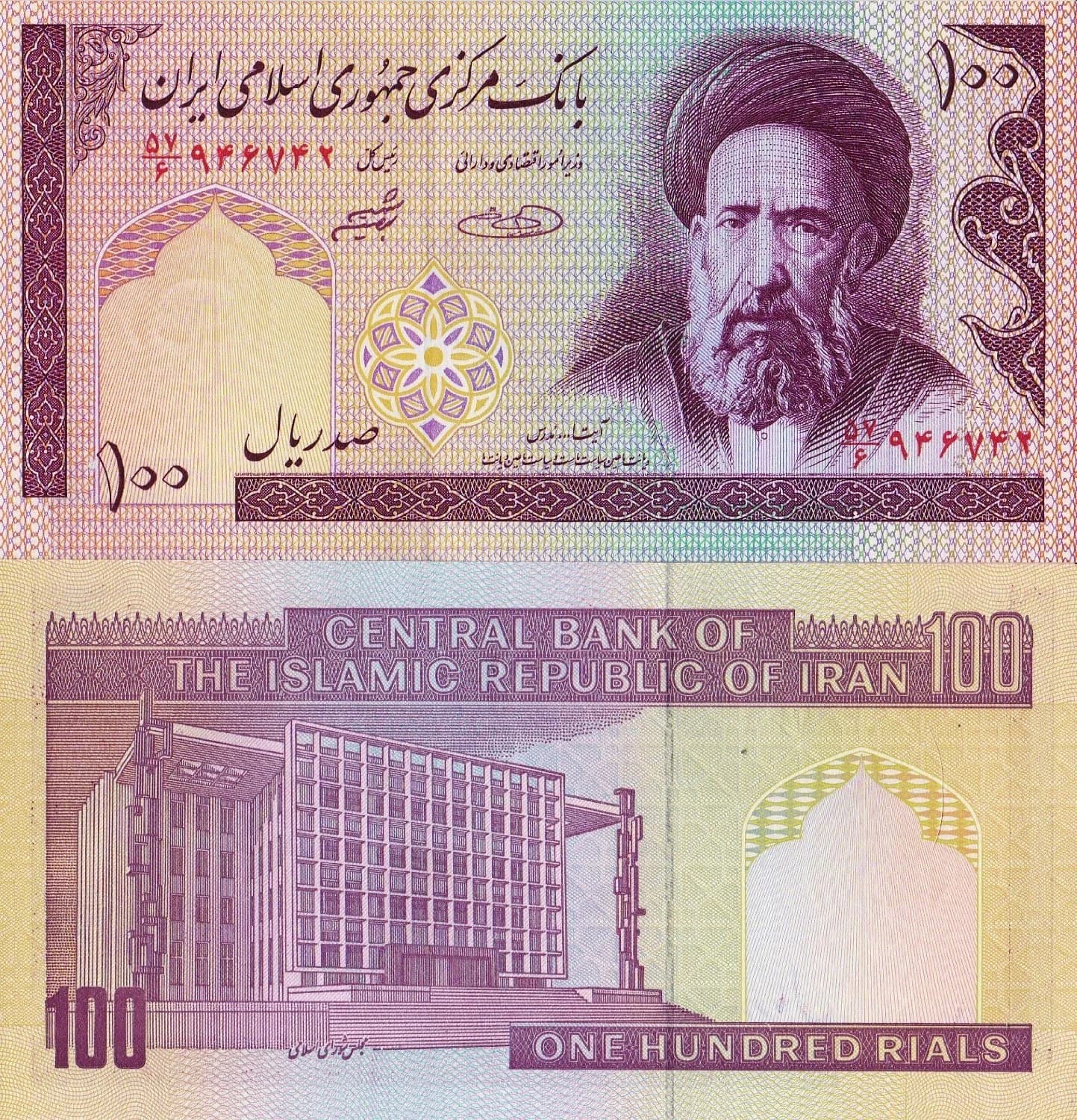
The program matters because foreign exchange is not just a technical market in Iran — it is a pressure valve for inflation, import costs and public confidence. When the rial weakens sharply, the price of imported food, medicine and industrial inputs tends to rise, and that feeds directly into the broader economy. By allowing adults over 18 to buy as much as $10,000 with identification, the central bank is trying to push more currency into the formal banking system and reduce demand for the black market.
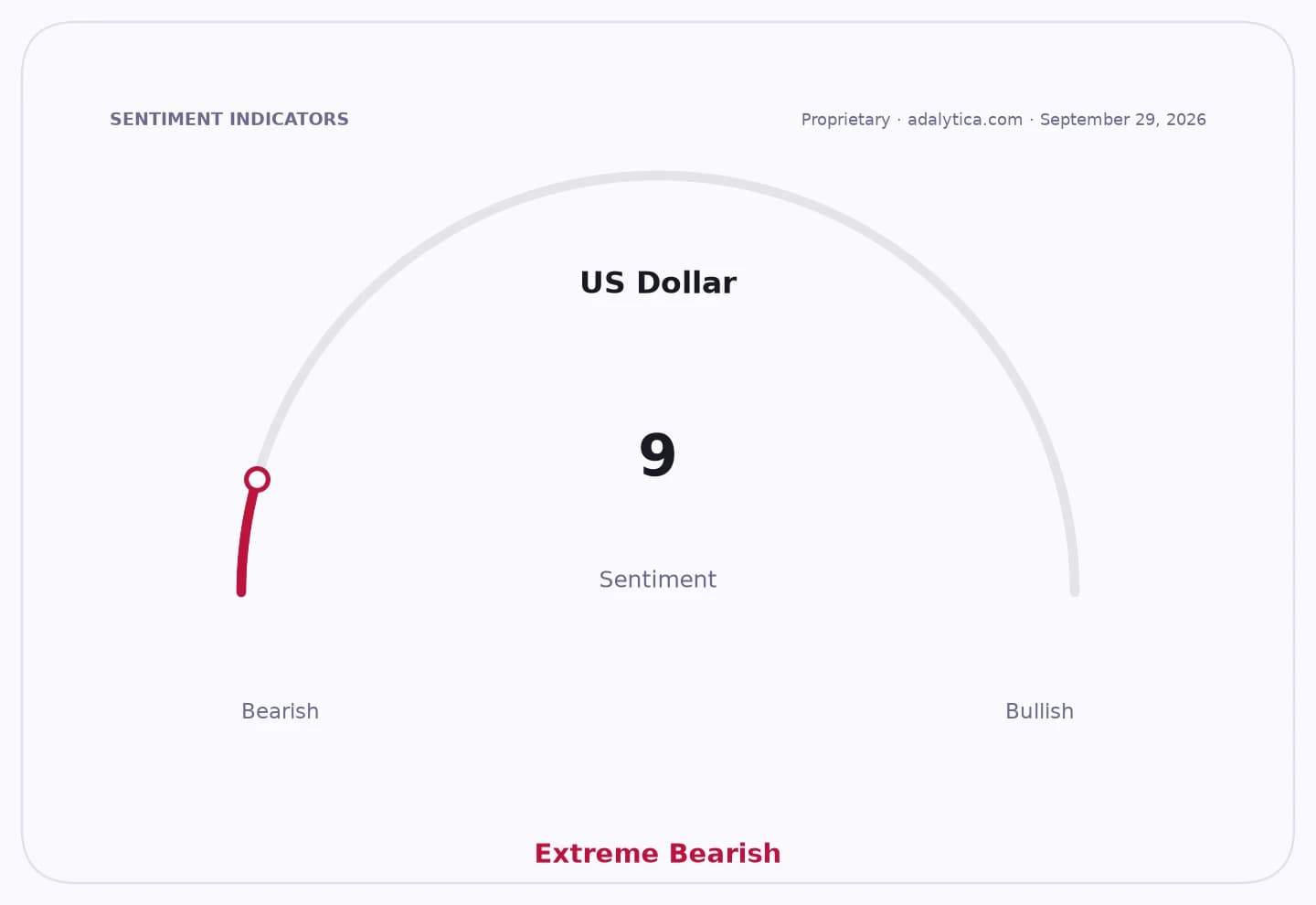
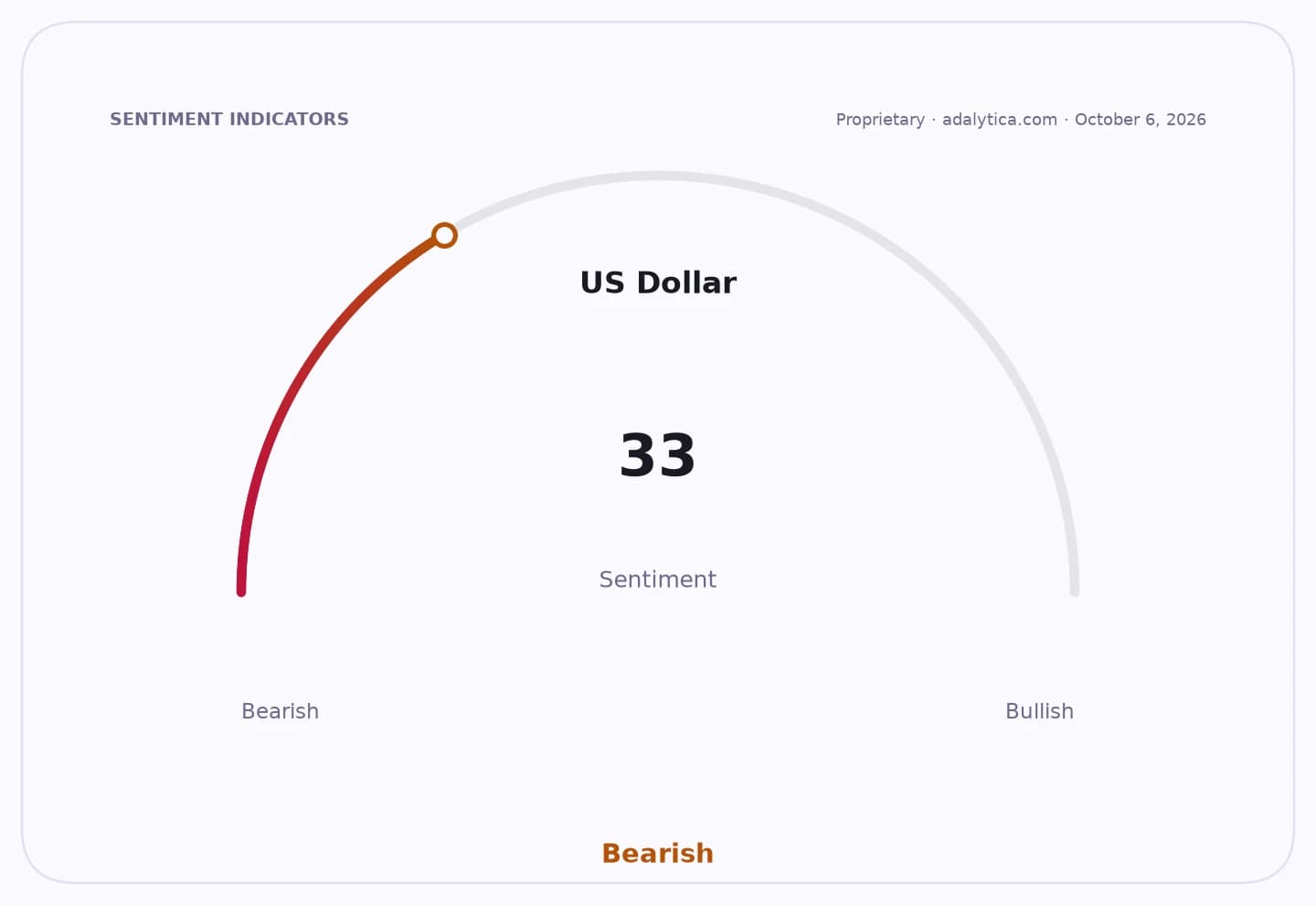
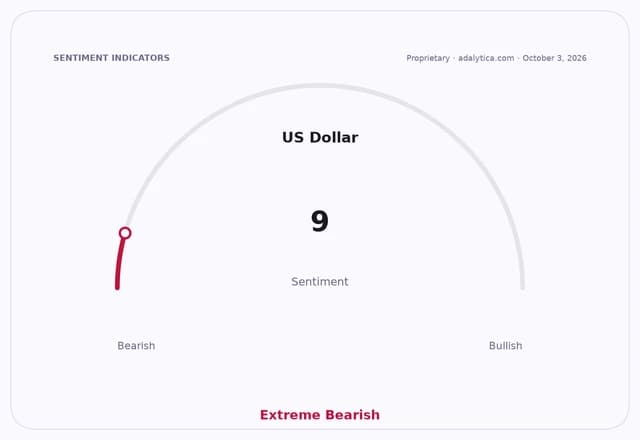
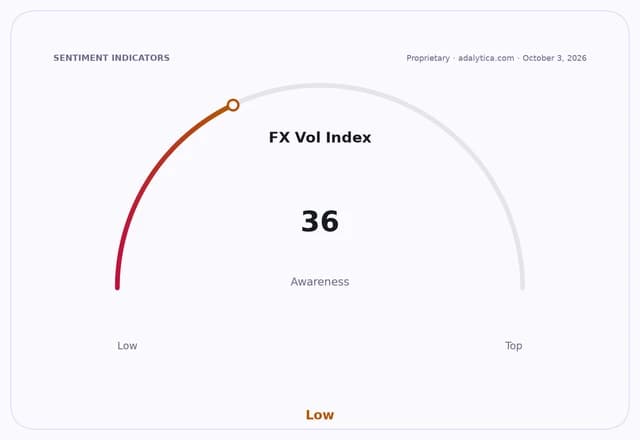
Sentiment IndicatorsⓘProprietary · adalytica.com · October 3, 2026
This is a snapshot — live sentiment, awareness and momentum for 130+ markets update continuously in the dashboard.Open AlphaPulse
The Central Bank of Iran says the initial phase will make $1 billion available through Mellat, Tejarat, Saderat and Saman banks and exchange offices, with as much as $2 billion planned overall. That is a meaningful sum in a market where the gap between official and street rates is wide. The central bank’s published rate puts the dollar at 1.75 million rials, while the black market quote is 2.63 million rials, a spread that tells investors the market still doubts official controls can fully anchor the currency.
For investors, the key takeaway is that Iran is choosing intervention over liberalization. That can buy time, but it rarely fixes a currency problem on its own unless confidence returns, sanctions ease or hard-currency inflows improve. In the meantime, the policy may create pockets of opportunity for businesses with access to formal FX channels and relief for importers who have been squeezed by volatility. But it also highlights the risk that official rates and market rates remain disconnected, which tends to favor insiders and punish ordinary consumers and smaller companies.
The broader story is one of containment, not resolution. Iran is trying to slow depreciation and restore some order to a market where the rial has been battered by restrictions, sanctions and economic challenges. Whether the effort sticks will depend on the central bank’s willingness to keep supplying dollars and on whether households and firms believe the official market can remain liquid enough to matter. For long-term investors, the more important question is not whether the rial bounces for a few days, but whether Iran can rebuild enough monetary credibility to narrow the gap between policy and reality.
| Entity | Gains | Losses |
|---|---|---|
| Iranian households | ▲Easier access to dollars | ▼Still exposed to inflation |
| Importers | ▲More formal FX access | ▼Narrower arbitrage opportunities |
| Central Bank of Iran | ▲Short-term market control | ▼Foreign reserves pressure |
| Black market dealers | ▲Less demand if policy works | ▼Lost spread revenue |