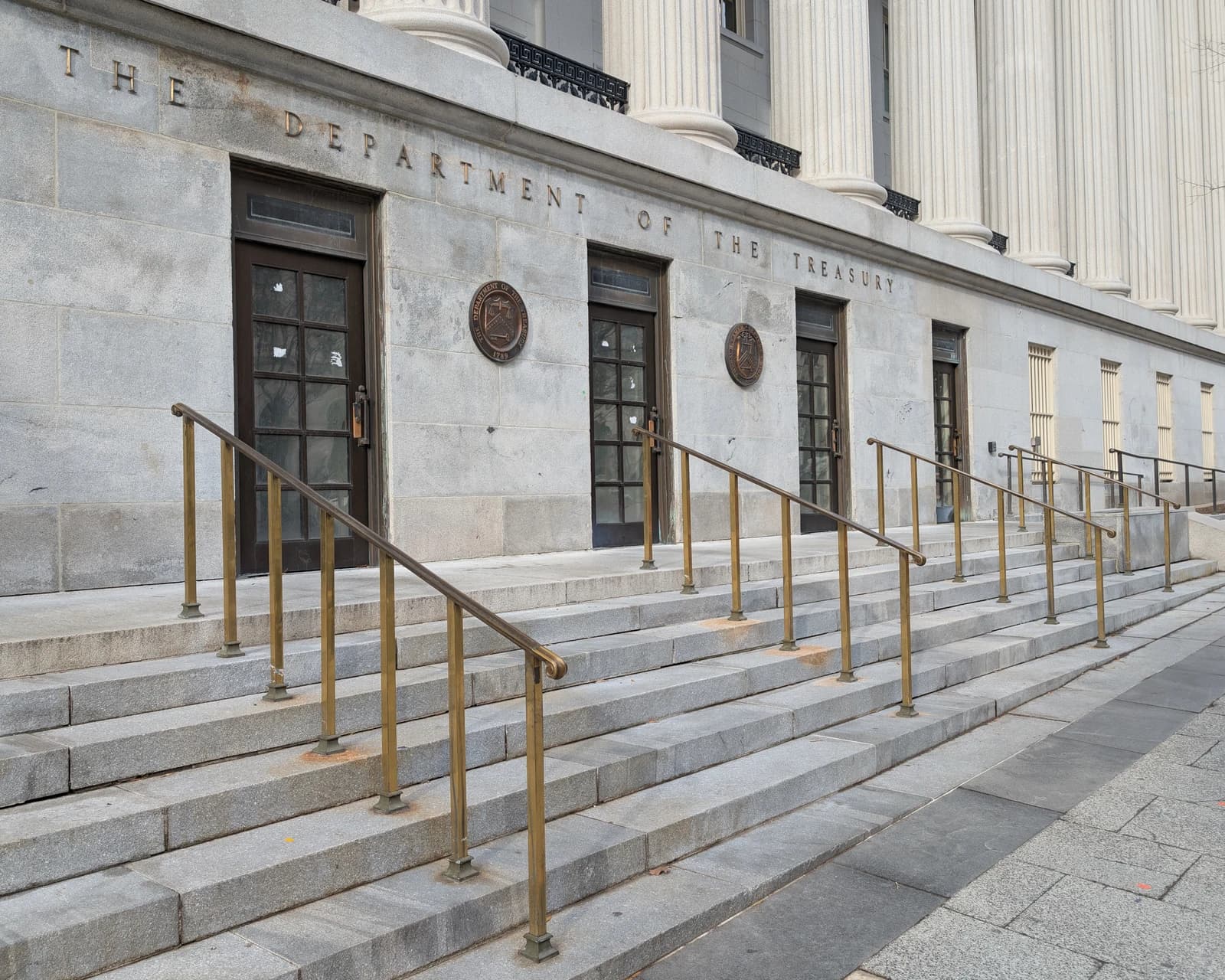
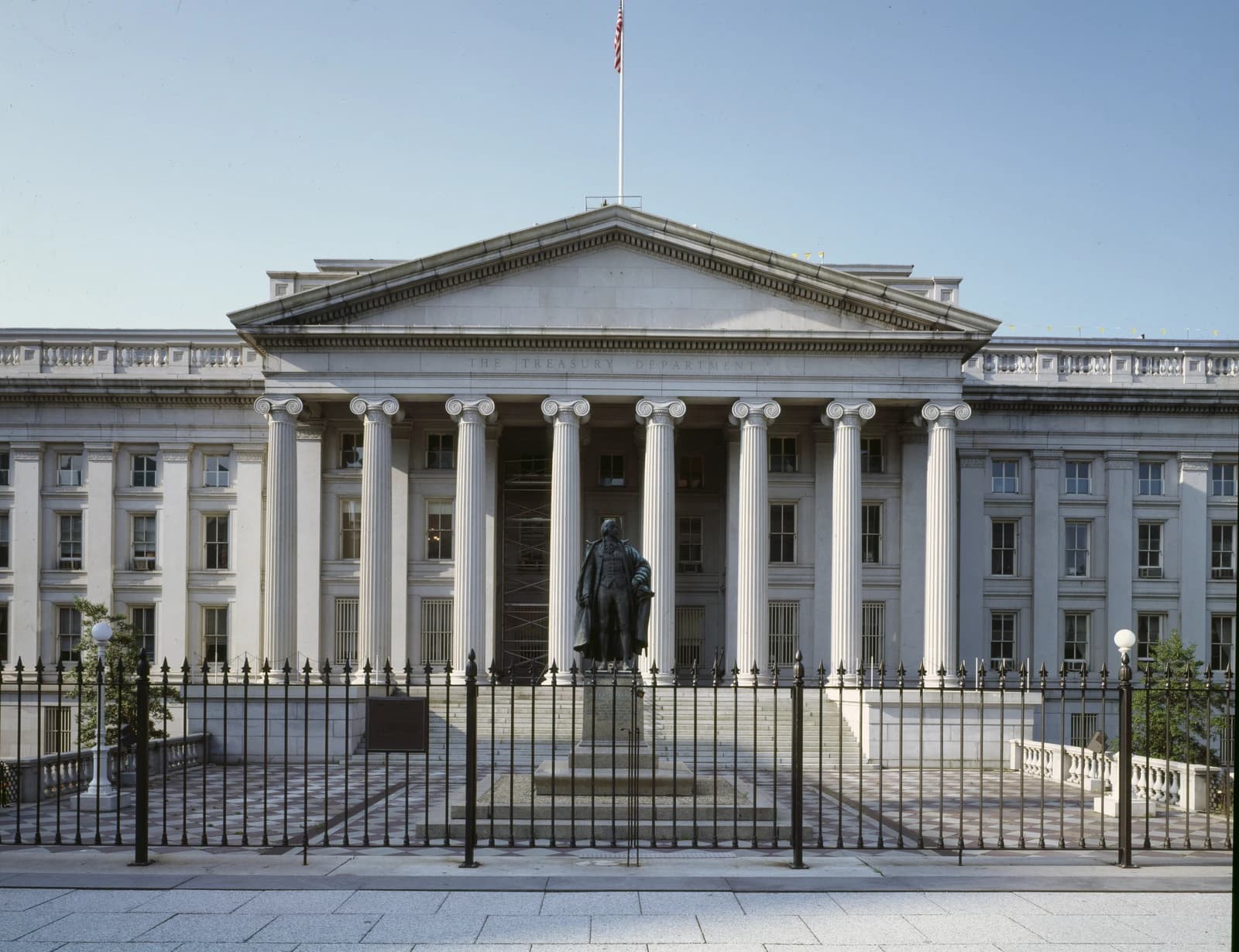
The U.S. is telling foreign banks they could face sanctions without notice if they keep doing business with Iran or its financial sector, a move that raises the cost of any residual access to the Iranian system and pressures lenders to sever links fast.
U.S. Treasury warns foreign banks on Iran ties
The Treasury said international financial institutions that continue transactions with Iranian banks subject to sanctions could be hit “at any time” and must immediately end those activities and relationships. It said Tehran is using “parallel banking channels” to evade U.S. restrictions and urged institutions to identify and avoid them.
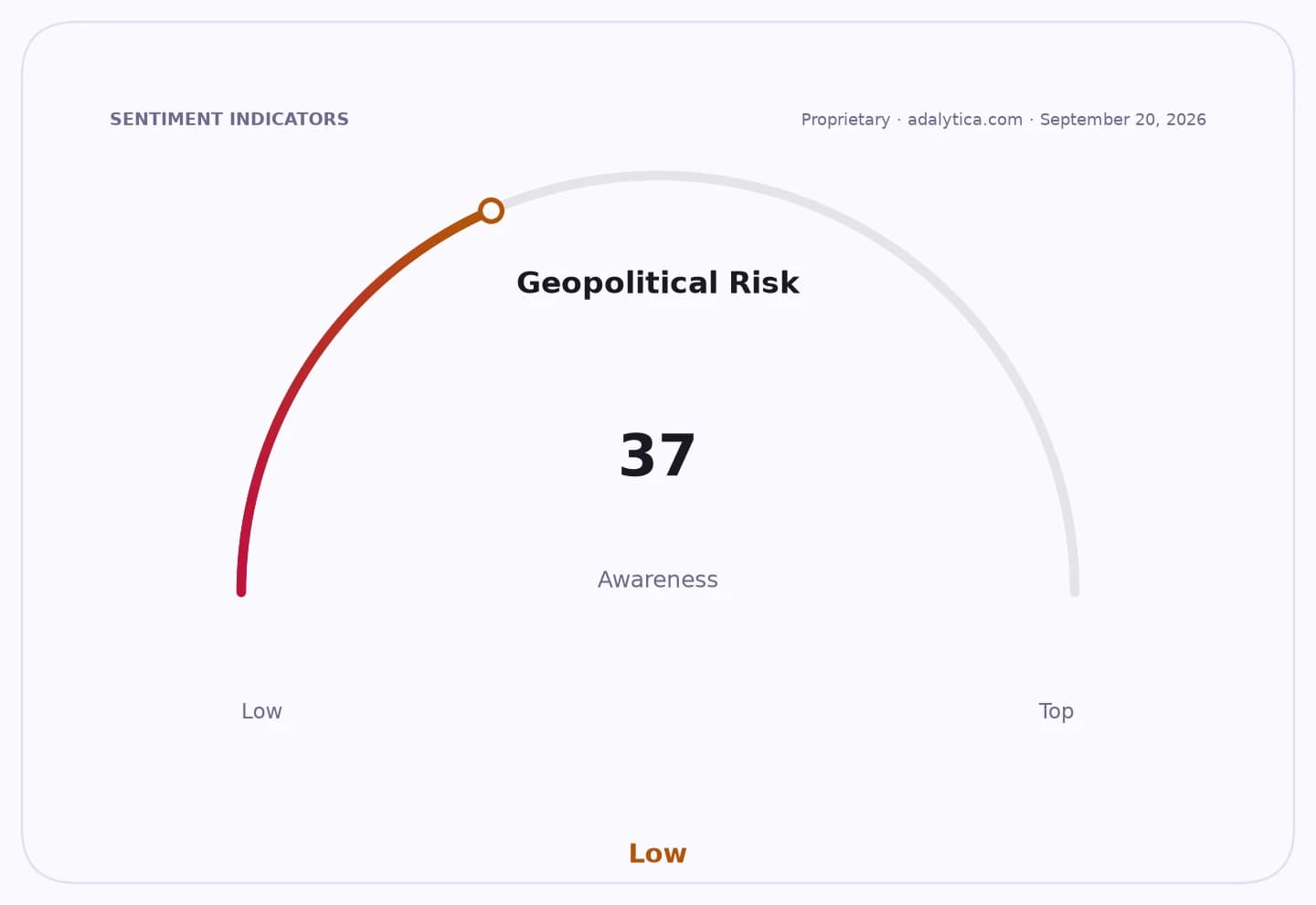
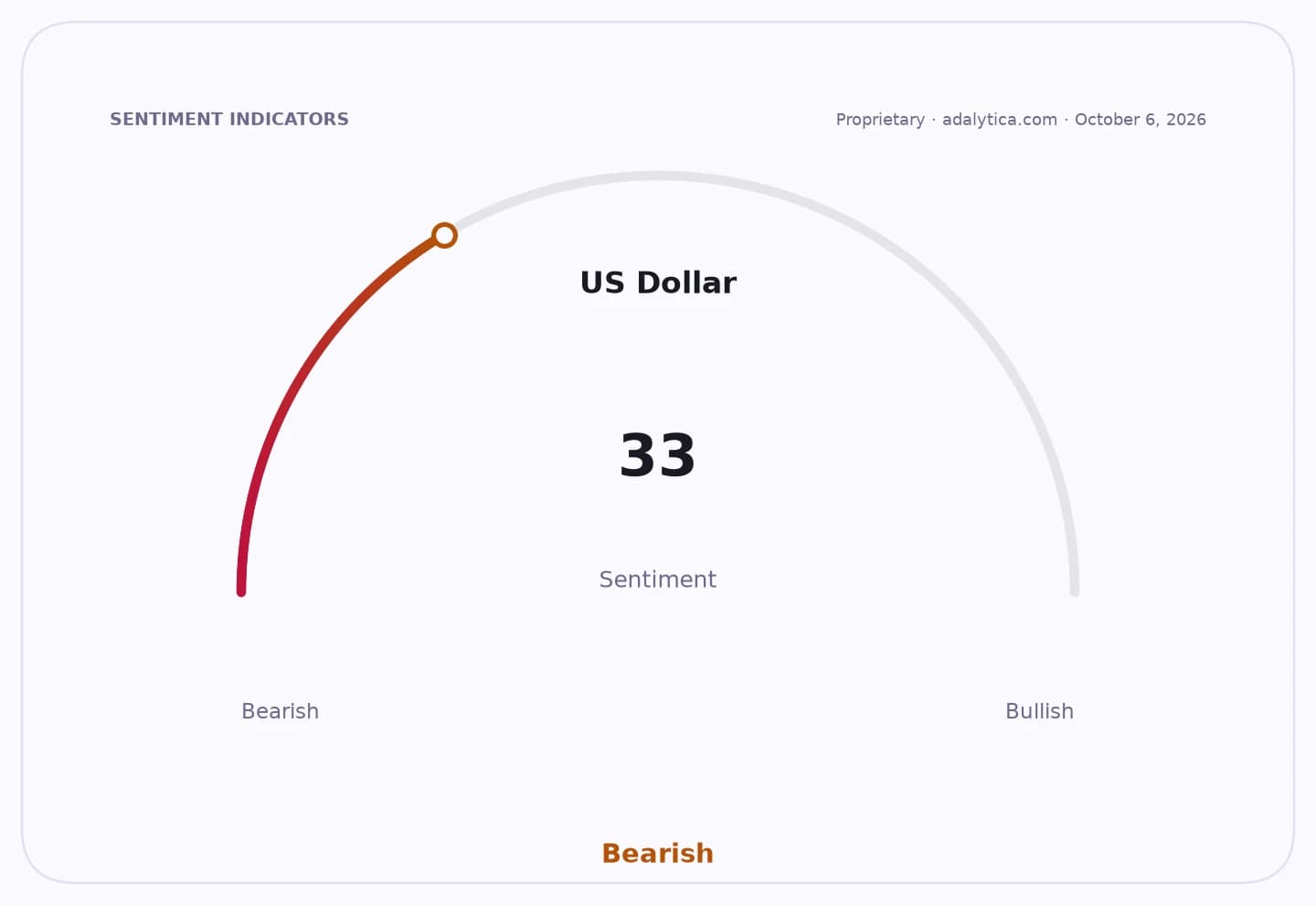
Sentiment IndicatorsⓘProprietary · adalytica.com · October 6, 2026
This is a snapshot — live sentiment, awareness and momentum for 130+ markets update continuously in the dashboard.Open AlphaPulse
The warning is the latest escalation in Washington’s campaign to isolate Iran economically after it stepped up sanctions pressure from late August, including measures aimed at the financial, crypto, rail, auto and manufacturing sectors. The U.S. has also sanctioned banks in the United Arab Emirates and Turkey over alleged assistance to Tehran, signaling that third-country intermediaries are now squarely in the crosshairs.
For investors, the risk is less about direct exposure to Iran than about compliance costs, correspondent-banking disruptions and the possibility that global lenders will become even more conservative on cross-border transactions in the Middle East. Major U.S. banks including JPMorgan, Bank of America and Citigroup all run large international operations, making sanctions enforcement a reminder that regulatory breaches can quickly turn into fines, business limits and reputational damage.
The broader market impact is likely to show up in tighter screening of payments, reduced willingness to process opaque flows and more pressure on institutions in jurisdictions that have historically served as transit points for sanctioned trade. Oil, shipping and commodity markets also remain sensitive to any sign that sanctions pressure could intensify regional tensions or further disrupt energy and fertilizer flows.
The next catalyst is whether Treasury follows the warning with more designations or enforcement actions against banks and payment channels tied to Iran, which would deepen the chill across global trade finance.
| Entity | Gains | Losses |
|---|---|---|
| U.S. Treasury | ▲Stronger enforcement leverage | ▼None directly |
| Iran and its banks | ▲None | ▼Access to global finance |
| Foreign banks | ▲Lower Iran-related risk if they exit | ▼Revenue, correspondent access |
| U.S. sanctions policy | ▲Credibility and deterrence | ▼Diplomatic friction |