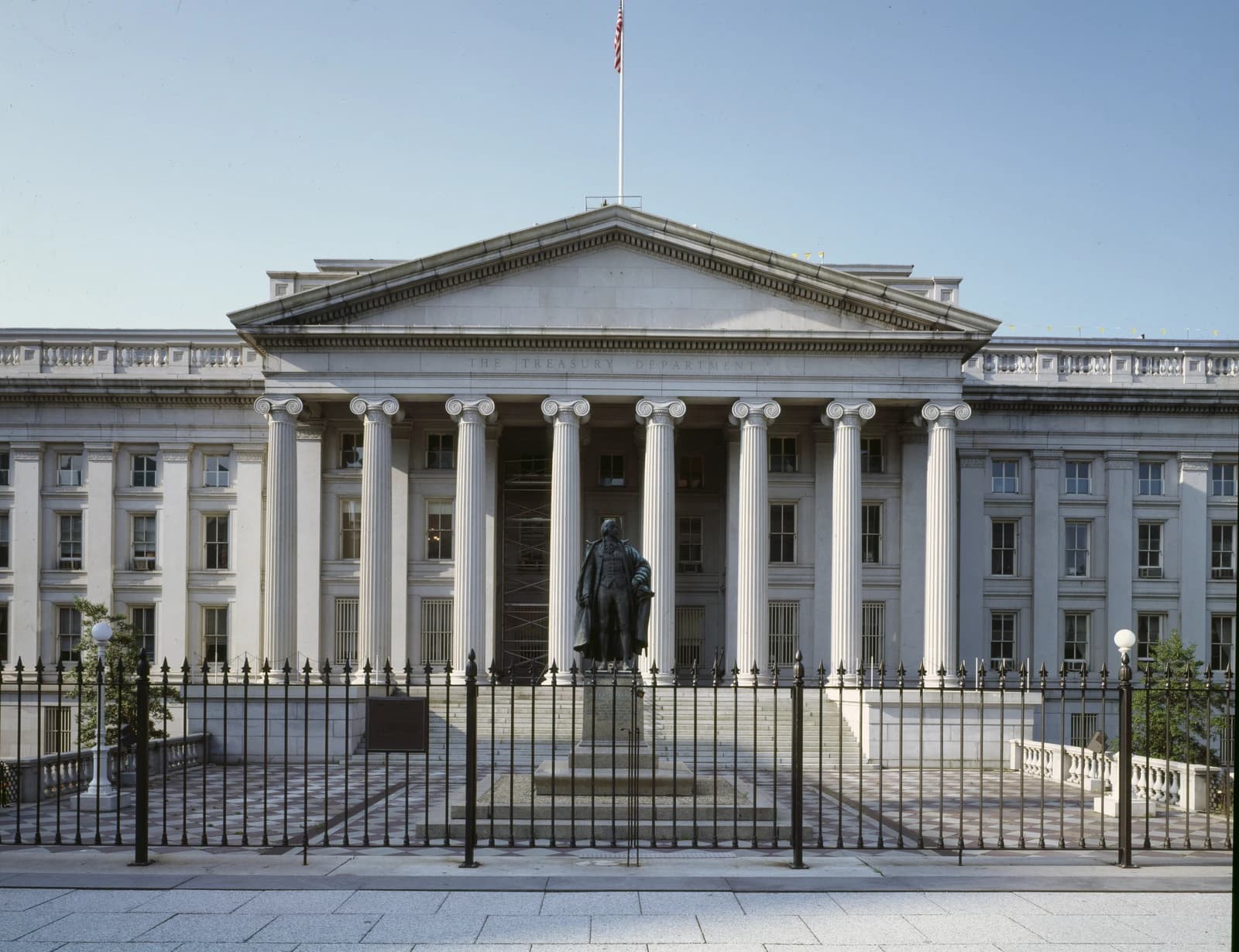
The U.S. Treasury has moved to close Banque Misr’s Dubai branch after accusing it of processing more than $1.8 billion in transactions tied to Iranian-linked networks, escalating Washington’s campaign to choke off Tehran’s access to dollars and the global banking system.
Banque Misr Dubai Branch Faces U.S. Treasury Action
That matters because this is no longer just a sanctions headline — it is a direct test of how far the U.S. is willing to reach into regional banking hubs that sit between Middle Eastern capital flows and the dollar clearing system. By targeting the UAE operations rather than Banque Misr’s domestic franchise in Egypt, Treasury is sending a clear message: any branch that helps sanctioned money move through correspondent accounts can be cut off, even if the parent bank remains intact. For the wider market, that raises the cost of compliance for banks with cross-border trade and FX businesses in the Gulf, and it underscores how quickly access to U.S. banking rails can become a binary risk.
Sentiment IndicatorsⓘProprietary · adalytica.com · September 25, 2026
This is a snapshot — live sentiment, awareness and momentum for 130+ markets update continuously in the dashboard.Open AlphaPulse
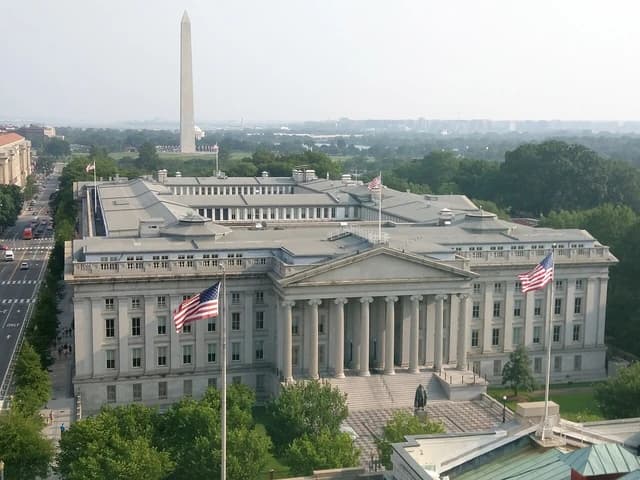
Treasury Secretary Scott Bessent said the branch “will be closed,” framing the action as part of a broader pressure campaign on Iran. The department had already proposed a Section 311 measure under the Patriot Act that would bar U.S. financial institutions from opening or maintaining correspondent accounts for Banque Misr UAE, effectively isolating it from dollar clearing. Washington said the unit, which includes branches in Dubai, Abu Dhabi, Sharjah and Ras Al Khaimah, handled transactions for 103 companies it considered potentially linked to parallel banking networks used by Iran to evade sanctions.
For investors, the bigger story is the second-order effect. Banks operating in the UAE, Egypt and across emerging-market trade corridors now face tighter scrutiny over payment flows, shell-company exposure and correspondent relationships. That benefits institutions with stronger anti-money-laundering controls and conservative U.S. regulatory profiles, while punishing lenders whose regional businesses depend on opaque cross-border activity. It also reinforces the premium on banks with clean balance sheets and low sanctions risk, a theme that tends to support larger, globally diversified franchises over smaller regionally exposed lenders.
The market has already seen how quickly regulatory risk can hit bank valuations. Banque Misr’s parent, Egyptian banking authorities and the UAE central bank all moved to reassure depositors and clients, but the damage is reputational as much as operational. The branch may continue serving customers locally in the near term, yet losing access to dollar correspondent relationships would be a severe constraint on trade finance and international settlement — the lifeblood of any Gulf banking outpost.
Our view is that this is part of a larger tightening cycle in global finance: sanctions enforcement is becoming more surgical, more extraterritorial and more disruptive to banks sitting on the seams of the dollar system. That creates winners in compliance-heavy global banking, payments, risk monitoring and sanctions-screening infrastructure, and losers among lenders with fragile governance or high geopolitical exposure. If Washington is willing to force a branch closure over $1.8 billion in suspect flows, the message to the market is unmistakable: the next compliance failure may not just bring fines — it may shut the door to the dollar itself.
| Entity | Gains | Losses |
|---|---|---|
| U.S. Treasury | ▲Enforcement leverage | ▼None |
| Clean global banks | ▲Safer franchise premium | ▼Less |
| Banque Misr Dubai branch | ▲None | ▼Dollar access |
| Iran-linked networks | ▲None | ▼Banking routes |