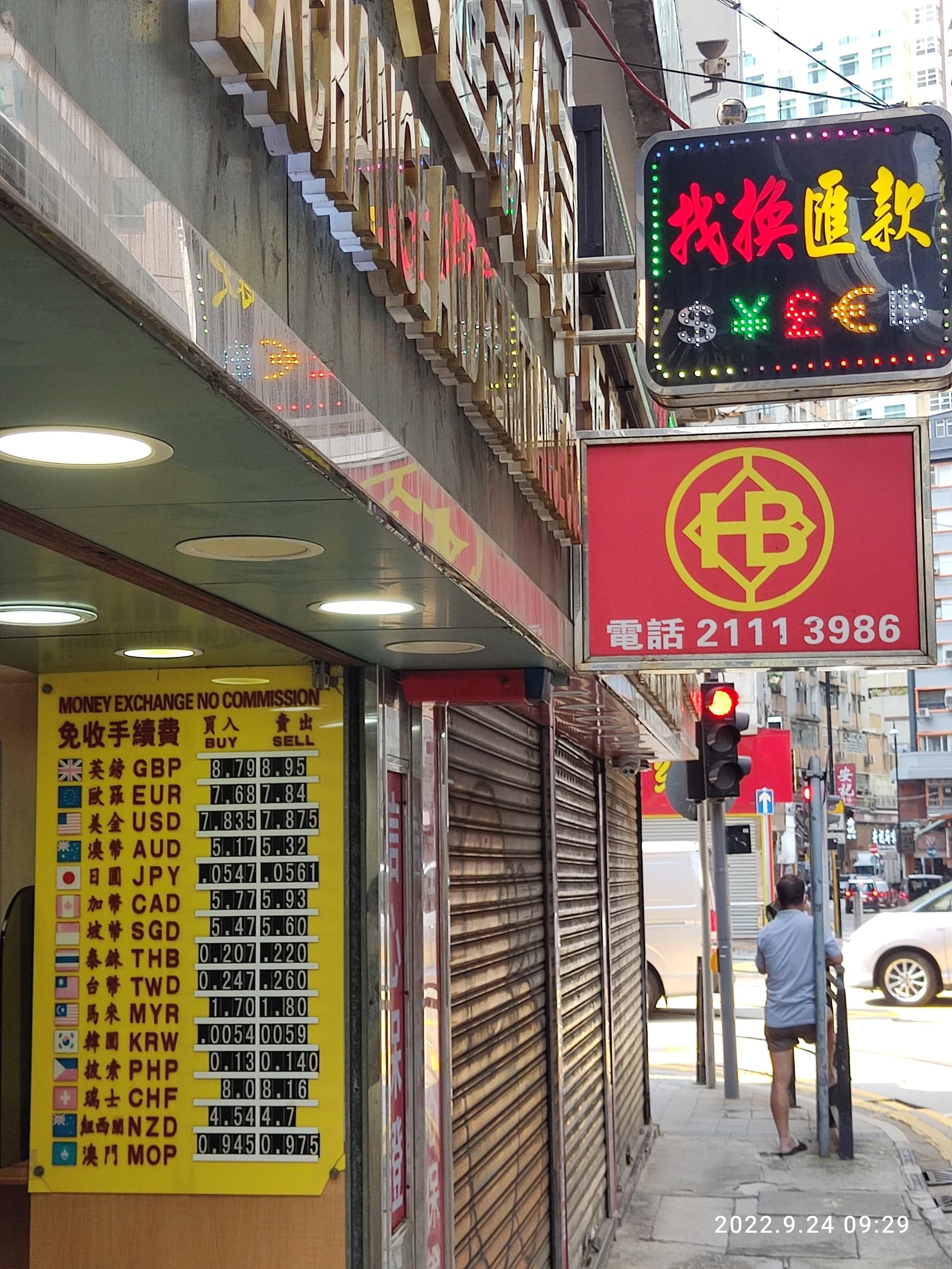
The key development is that Libya’s parallel market kept repricing hard currency and gold higher on Thursday, a sign that households and businesses are still paying up for safety, imported goods and savings protection in a dollar-starved economy.
Libya parallel market dollar rises to 9.76 dinars
That matters because Libya remains structurally dependent on imports, so every jump in the dollar, euro or pound raises the local-currency cost of food, fuel-related purchases, equipment and medical supplies. It also feeds inflation expectations and complicates budgeting for families, traders and firms that do business outside the formal banking system.
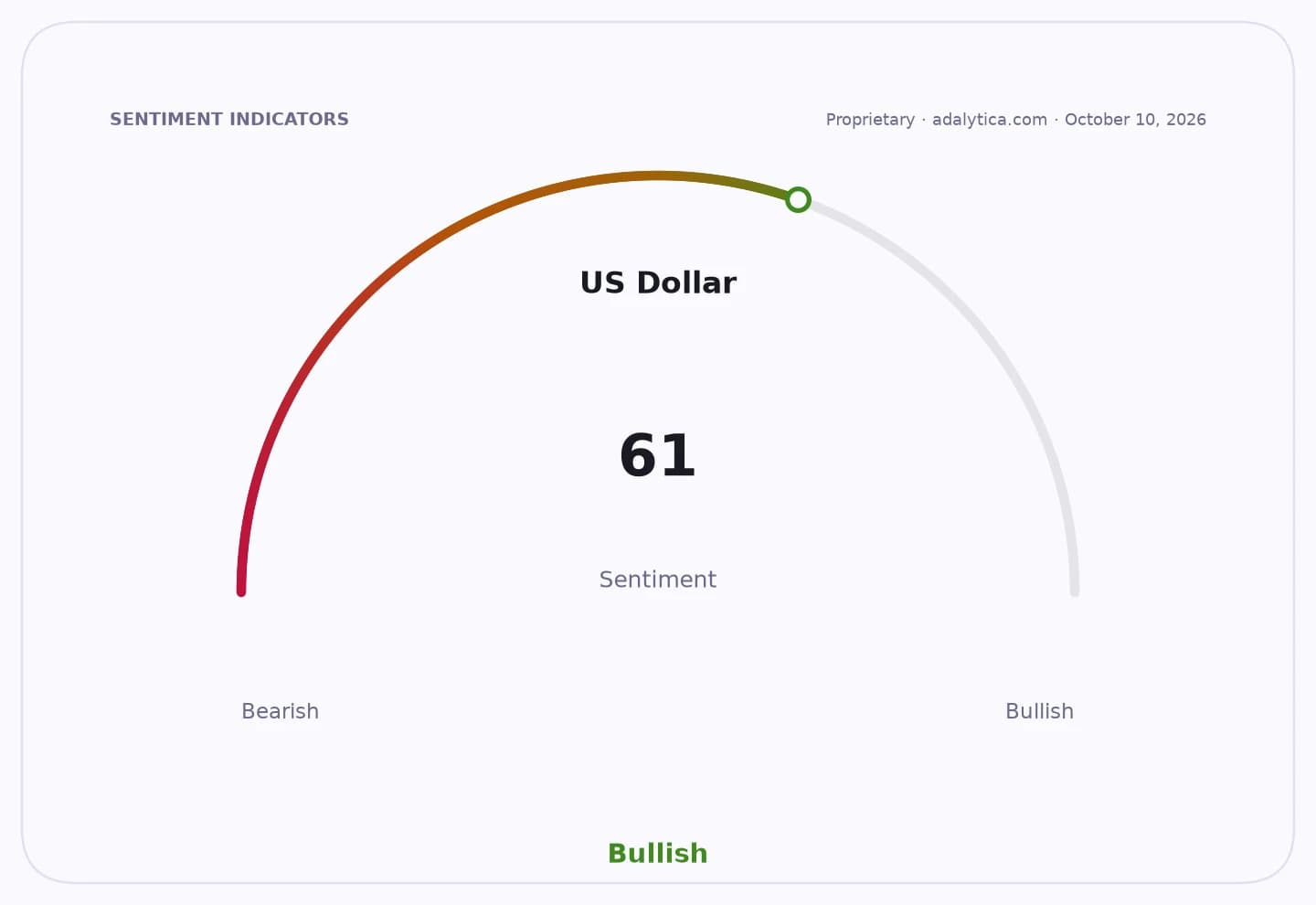
Sentiment IndicatorsⓘProprietary · adalytica.com · October 10, 2026
This is a snapshot — live sentiment, awareness and momentum for 130+ markets update continuously in the dashboard.Open AlphaPulse
The dollar closed in Tripoli at 9.76 dinars, with only modest differences across major cities: 9.765 dinars in Zliten and 9.74 dinars in Benghazi and Ajdabiya. That narrow spread suggests the move is broad-based rather than the result of a localized shortage.
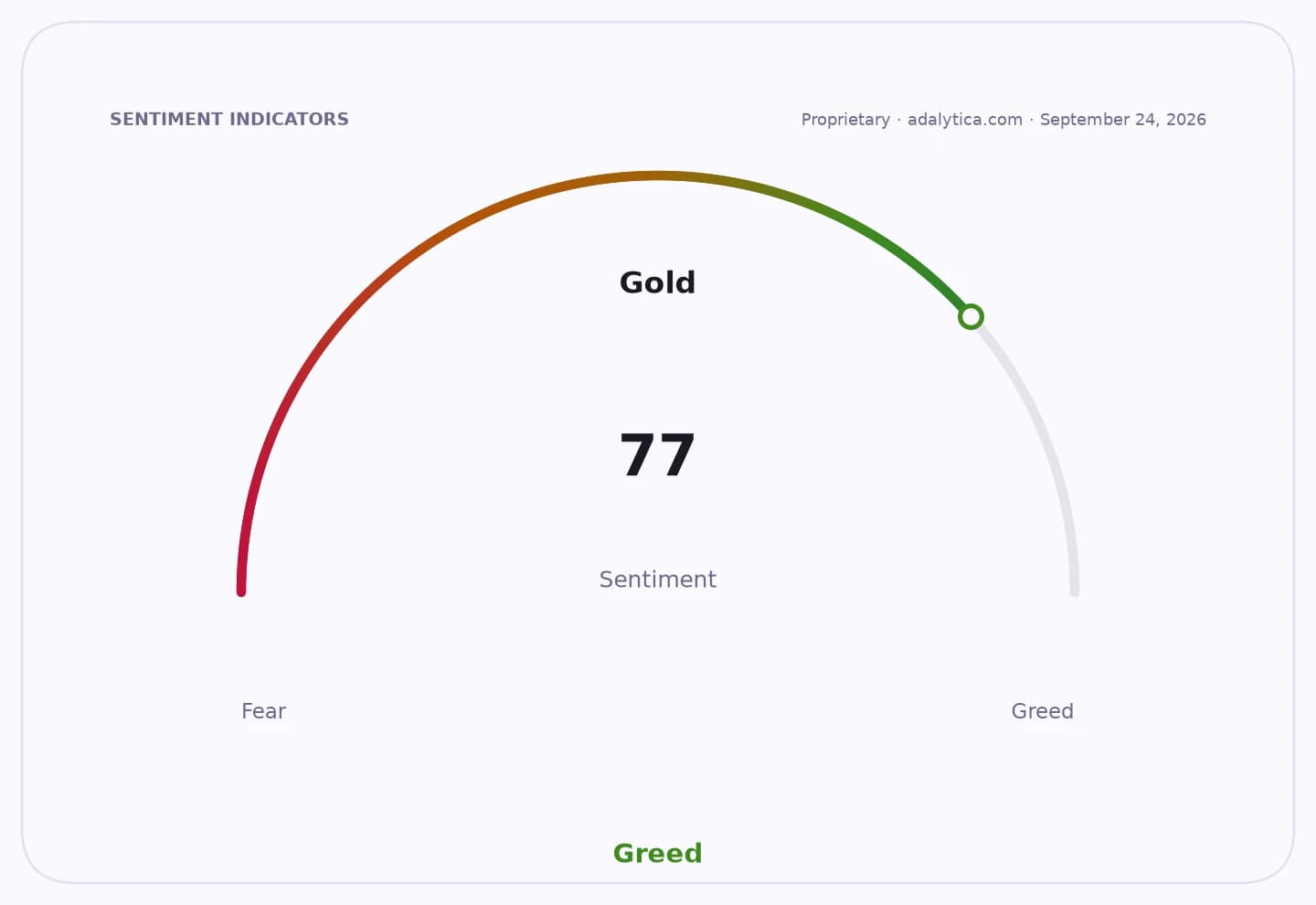
Other foreign currencies followed the same pattern. The euro rose to 10.90 dinars and the pound sterling climbed to 12.60 dinars, according to traders and market-monitoring pages. Gold joined the move higher too, with 18-carat scrap gold reaching 955 dinars a gram, reinforcing the message that buyers are still seeking stores of value outside the dinar.
Transfer prices remained slightly cheaper than cash, which is typical in stressed currency markets. A dollar transfer to Turkey was around 9.71 dinars and to Dubai about 9.68 dinars, hinting that physical cash still commands a premium over remittance channels.
For investors and business owners, the takeaway is simple: when the parallel market keeps grinding higher, it usually means confidence in the local currency is still fragile. That can encourage more demand for hard currency, gold and import-linked hedges, while squeezing merchants that need foreign exchange to restock goods.
The broader narrative here is not just one day’s price move. It is a reminder that Libya’s informal currency market remains a live barometer of economic stress, and until foreign-exchange supply improves, the dinar is likely to stay under pressure. That makes hard assets and foreign-currency exposure worth watching closely over the coming weeks.
| Entity | Gains | Losses |
|---|---|---|
| Dollar, euro, pound buyers | ▲Holders of hard currency | ▼Dinar savers |
| Gold holders | ▲Inflation hedge demand | ▼Cash holders |
| Importers and consumers | ▲Remittance receivers | ▼Goods buyers facing higher costs |
| Parallel-market sellers | ▲Wider trading margins | ▼Households needing foreign exchange |