Peru’s currency has stayed under pressure against both the dollar and the euro, underscoring how global interest-rate swings are still steering local exchange-rate moves and raising costs for importers, tourists and households.
Peru sol stays under pressure versus dollar and euro

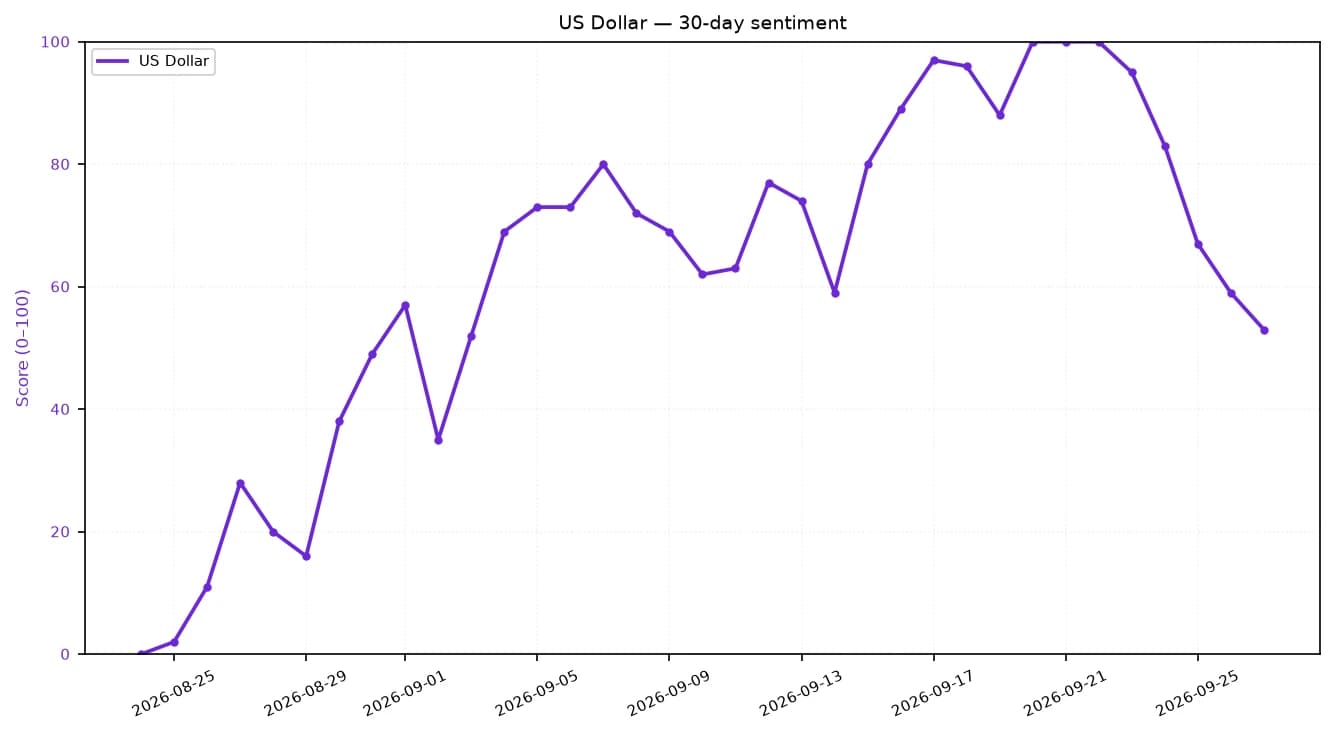
The dollar/sol pair was last quoted at 3.39 on Sept. 25, compared with 3.36 earlier in the month and 3.28 in late September, while the euro/sol rate rose to 3.86 from 3.74 a day earlier. The moves are modest in absolute terms, but they matter because the sol remains close to its 200-day moving average in the dollar pair and below it in the euro pair, leaving the currency vulnerable to any renewed strength in the greenback. Technical indicators also show the dollar/sol rate has pushed back toward its 50-day moving average, with RSI readings moving into mid-range territory rather than signaling a clear oversold rebound.
That matters economically because a weaker sol feeds directly into Peru’s import bill, from fuel and machinery to consumer goods priced in dollars or euros. It can also complicate inflation management just as higher US rates and a firmer dollar make external financing more expensive across emerging markets. For Peru, where trade, tourism and retail businesses often manage cash flows in foreign currency, even a narrow move in exchange rates can alter margins quickly.
For investors, the implication is that FX is once again a macro variable, not just a background risk. A softer sol can support exporters and companies with dollar revenues, but it tends to hit domestic retailers, airlines, hotels and any borrower with foreign-currency liabilities. Currency weakness also narrows the policy space for local assets if it starts to bleed into inflation expectations or forces the central bank to tolerate tighter financial conditions.
The broader narrative is one of year-end volatility rather than a clean trend. The latest pricing suggests the market is still digesting higher US yields and uneven regional currency dynamics, while Peru’s own exchange rate remains sensitive to capital flows and risk appetite. If dollar strength extends into the final quarter, the sol could lose more ground; if US rates stabilize, the currency may find room to recover toward its recent averages.
| Entity | Gains | Losses |
|---|---|---|
| Peruvian exporters | ▲Higher local-currency receipts | ▼More expensive imported inputs |
| Importers and retailers | ▲— | ▼Higher dollar-denominated costs |
| Tourists paying in foreign currency | ▲Better purchasing power | ▼Local travelers abroad |
| Borrowers with dollar debt | ▲— | ▼Higher debt-service burden |