The Dominican Republic remained one of the region’s inflation outliers in August, with consumer prices rising 5.13% from a year earlier, a pace that keeps pressure on households and limits the central bank’s room to ease policy aggressively.
Dominican Republic August inflation rises 5.13%
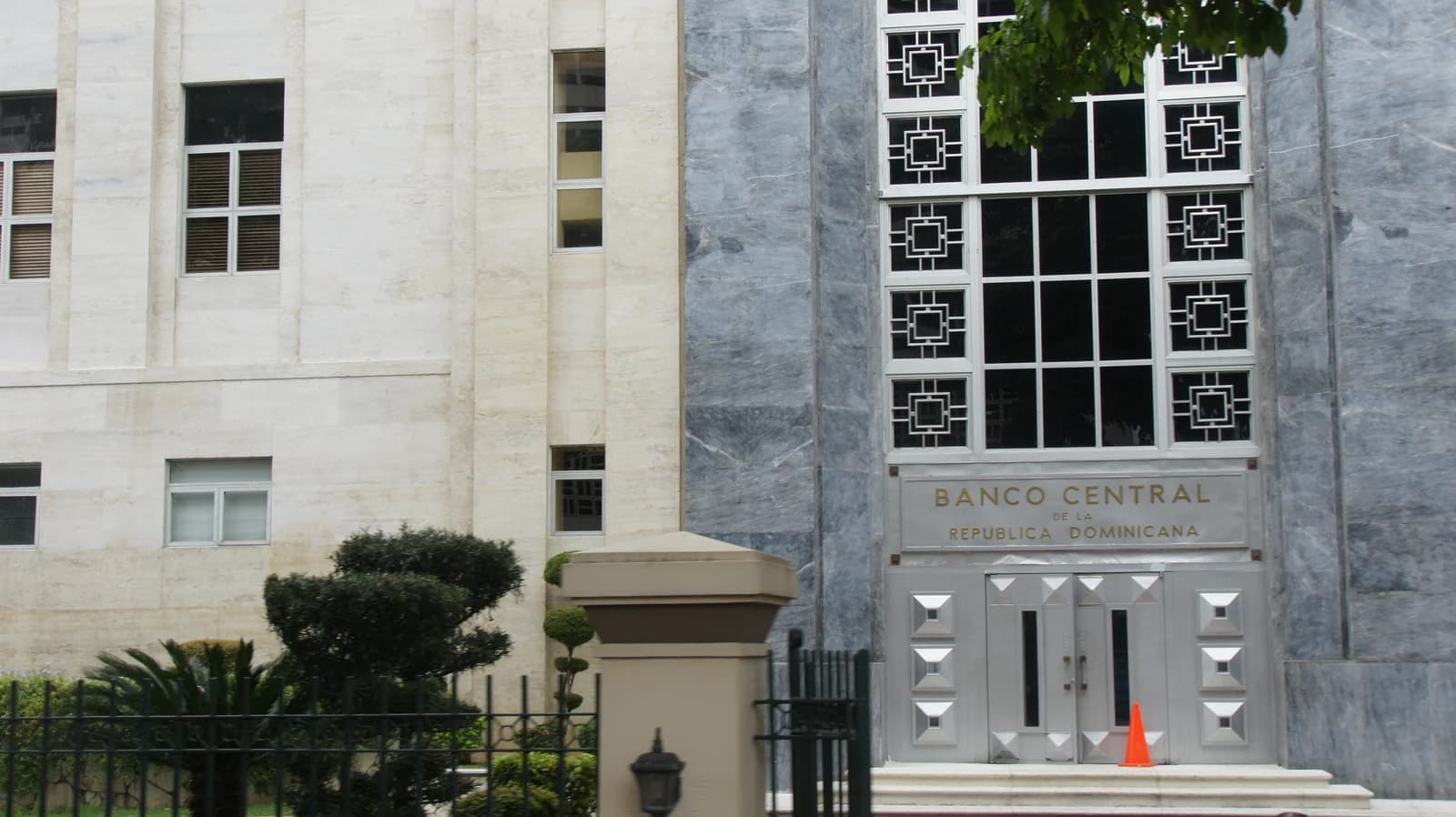
That puts the country second only to Honduras in the Central American and Caribbean comparison cited by the Banco Central de la República Dominicana, and well above Guatemala’s 3.37%, El Salvador’s 3.19% and Costa Rica’s -0.17%. For investors, the reading matters because stubborn inflation usually means tighter financial conditions for longer, supporting the peso in the near term but keeping borrowing costs elevated for consumers and businesses.
Sentiment IndicatorsⓘProprietary · adalytica.com · September 27, 2026
This is a snapshot — live sentiment, awareness and momentum for 130+ markets update continuously in the dashboard.Open AlphaPulse

The monthly increase in the consumer price index was 0.38% in August, with most of the rise concentrated in food and non-alcoholic beverages, education, transport, miscellaneous goods and services, restaurants and hotels, and household furniture and equipment. Those categories accounted for 88.38% of the month’s CPI move, underscoring that inflation is still being driven by everyday essentials rather than isolated price shocks.
The year-on-year rate was also lower than the 5.67% recorded in June, suggesting some moderation from earlier peaks. Even so, inflation remains above the central bank’s comfort zone and above most of its regional peers, which limits how fast policymakers can cut rates without risking renewed price pressure. That matters for credit demand, mortgage affordability and corporate margins in import-dependent sectors.
For bond investors, a relatively high inflation rate can keep local yields sticky and reduce the likelihood of a rapid easing cycle. For equities, especially retailers, transport operators and consumer-facing businesses, the combination of steady inflation and still-firm financing costs can weigh on real spending and profitability. At the same time, exporters and firms with foreign-currency revenues may fare better if domestic demand weakens but the currency remains supported.
The broader narrative is that the Dominican economy is not in a runaway inflation episode, but it is still operating with price pressures high enough to distinguish it from lower-inflation neighbors. That puts the central bank in a balancing act: protect credibility and purchasing power without choking off activity. The next decisive clue will be whether food and transport prices keep dominating the index or whether the slowdown seen from June to August becomes more durable in the coming months.
| Entity | Gains | Losses |
|---|---|---|
| Central bank | ▲Policy credibility | ▼Faster rate cuts |
| Savers / bondholders | ▲Higher real returns | ▼Lower nominal yields |
| Borrowers / consumers | ▲— | ▼High financing costs |
| Retailers / importers | ▲— | ▼Softer household demand |