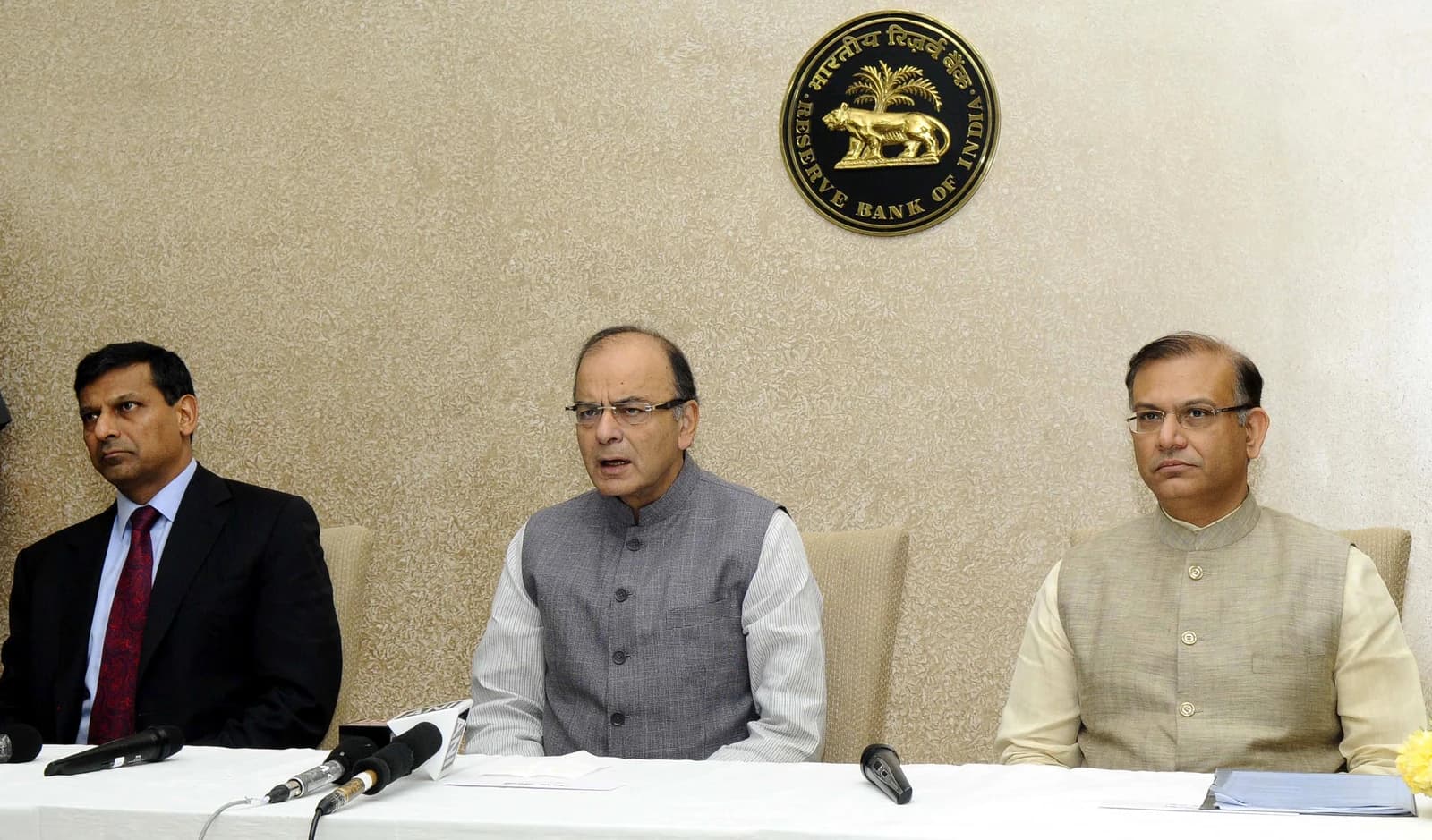
India’s inflation rate rose to 6.29% in September from 5.18% a year earlier, reinforcing pressure on the Reserve Bank of India after it delivered its first rate increase since 2023 to contain faster price gains.
India inflation rises to 6.29% in September
The latest reading matters because it keeps consumer prices above the RBI’s comfort zone and raises the odds that policymakers will stay biased toward tighter credit conditions even as growth remains solid. Higher borrowing costs feed directly into loans, mortgages and business financing, increasing the risk that spending slows just as households are already facing more expensive essentials.
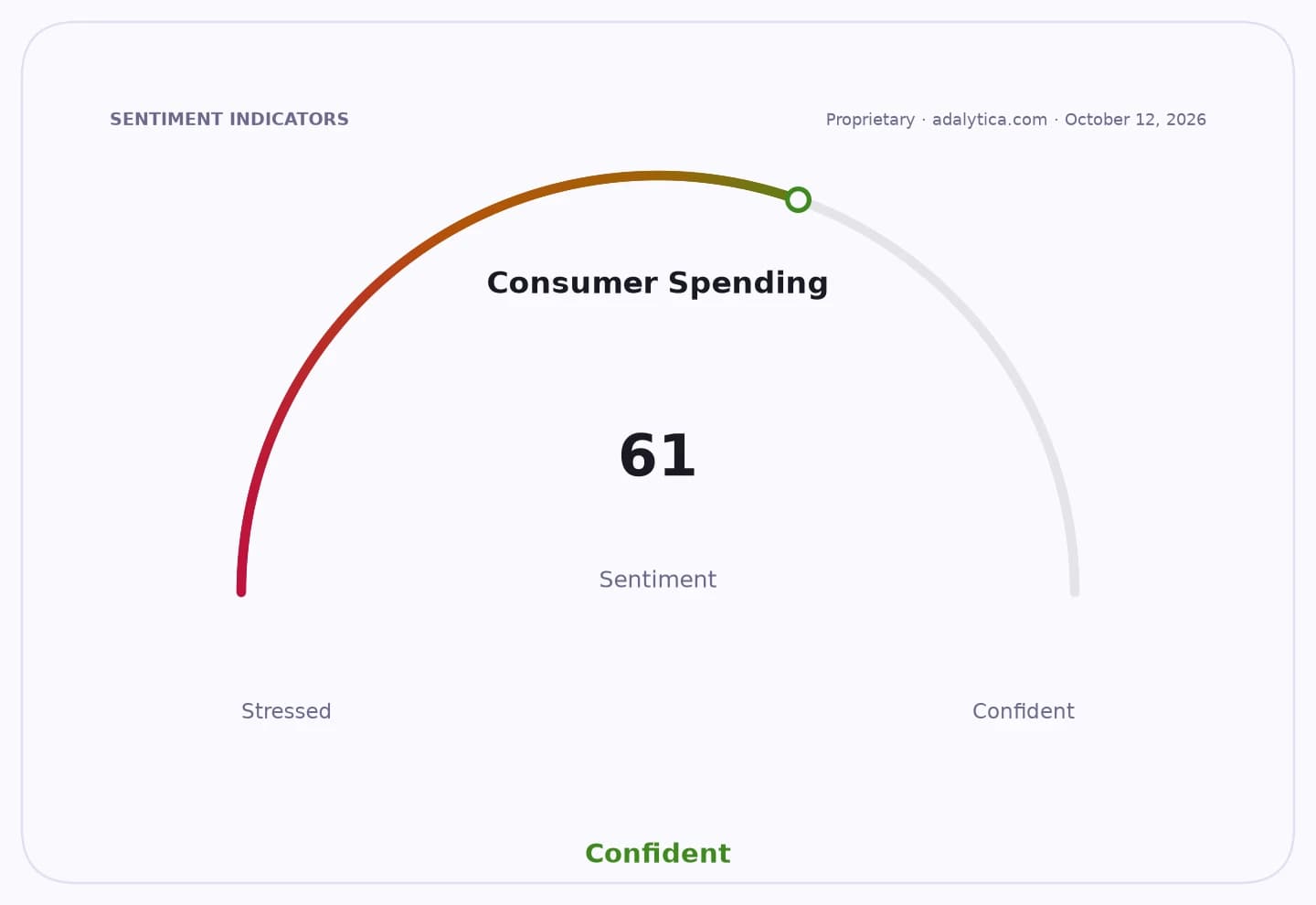
Sentiment IndicatorsⓘProprietary · adalytica.com · October 12, 2026
This is a snapshot — live sentiment, awareness and momentum for 130+ markets update continuously in the dashboard.Open AlphaPulse
A separate core measure, which strips out food and fuel, also pointed to persistent underlying price pressure. That combination is more worrying for policymakers than a one-off spike in volatile items because it suggests inflation is broadening rather than fading on its own.
Markets now have to weigh whether the central bank needs to do more if price momentum persists into the next policy meeting. For investors, that means higher odds of a prolonged hold on easing, a less friendly backdrop for rate-sensitive sectors and continued scrutiny of consumer demand, margins and sovereign borrowing costs.
The inflation backdrop also carries wider implications for India’s growth mix. With food and energy costs doing much of the damage, households face a squeeze on real purchasing power, while companies in transport, retail and consumer staples must decide how much of the increase they can pass on before volumes weaken.
The next catalyst is whether upcoming price data confirm that September’s rise was the start of another inflation leg higher, or just a temporary bump before the RBI can reassess its stance.
| Entity | Gains | Losses |
|---|---|---|
| RBI | ▲Policy room to stay restrictive | ▼Pressure to tighten further |
| Savers | ▲Higher returns on deposits | ▼Lower real income growth |
| Borrowers | ▲— | ▼Higher EMIs and loan costs |
| Consumer companies | ▲Pricing power if costs pass through | ▼Demand if households cut spending |