Tunisia’s inflation rate climbed to 5.6% in September, intensifying pressure on households already squeezed by higher food, clothing and service prices and underscoring the strain from a widening trade deficit and a weaker dinar.
Tunisia Inflation Rises to 5.6% in September
The increase from 5.4% in August keeps price growth on an upward path for a third straight month, according to the national statistics agency. For consumers, the rise matters less as a decimal-point move than as another layer of erosion in real incomes at a time when living costs are already elevated.
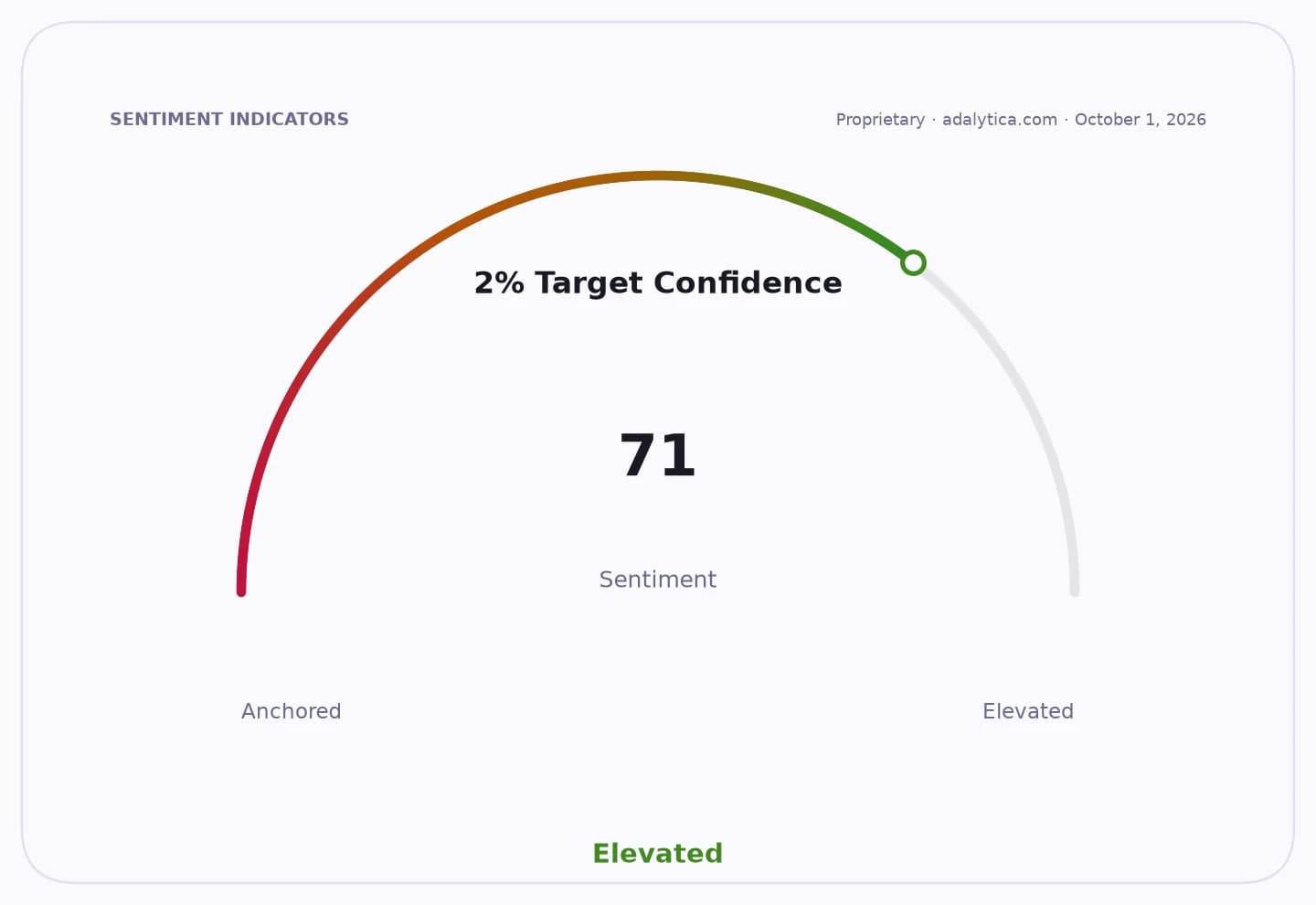
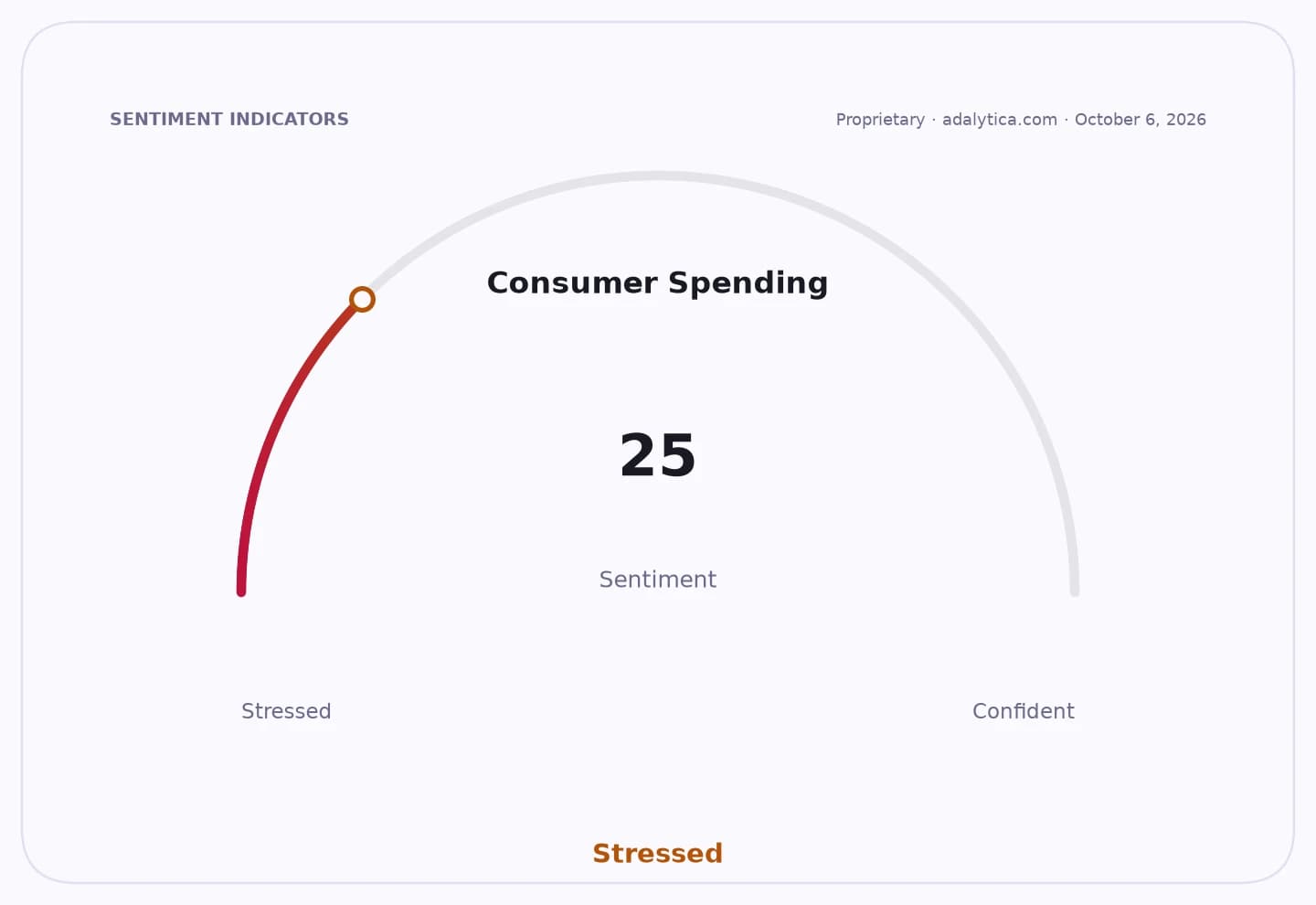
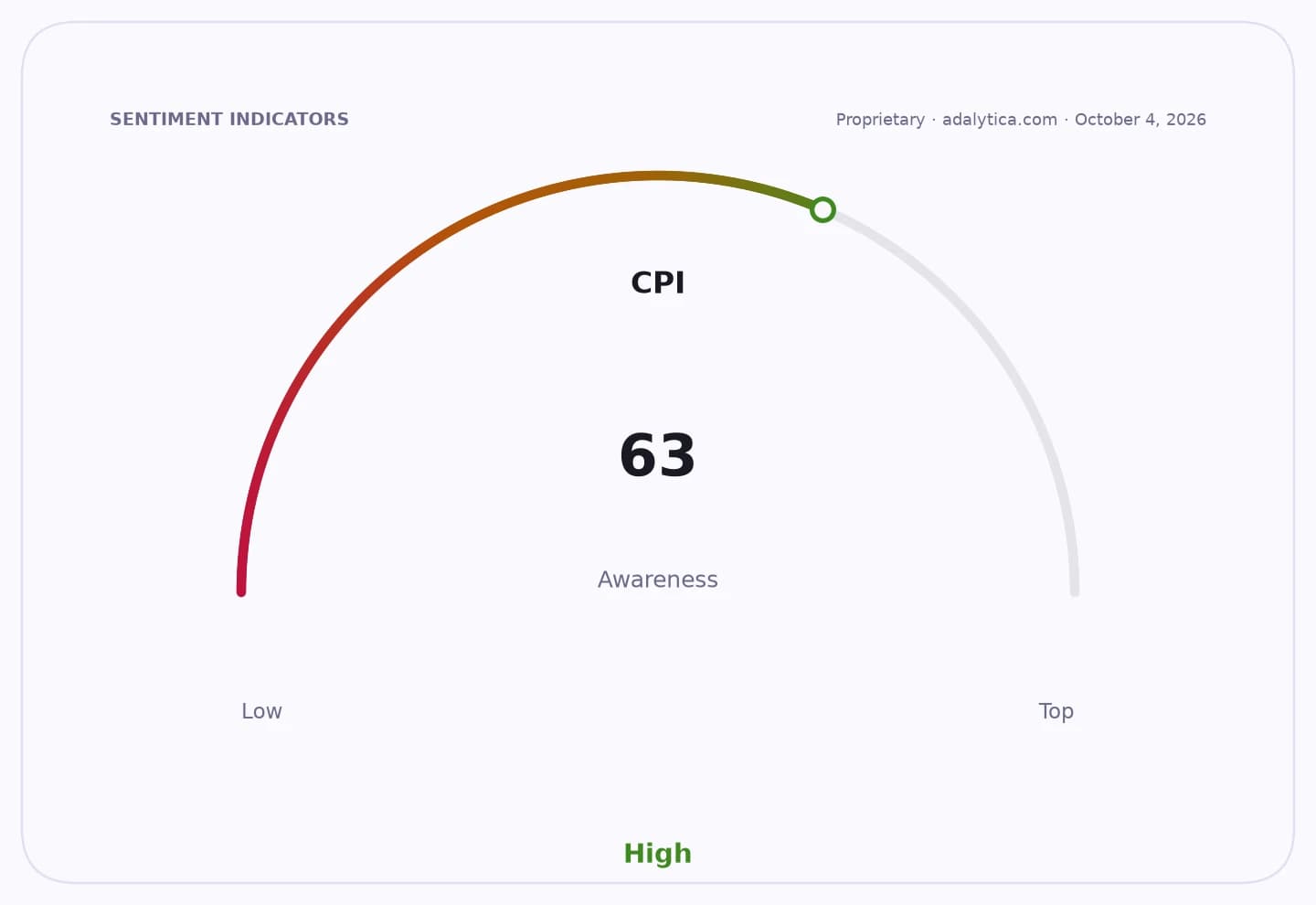
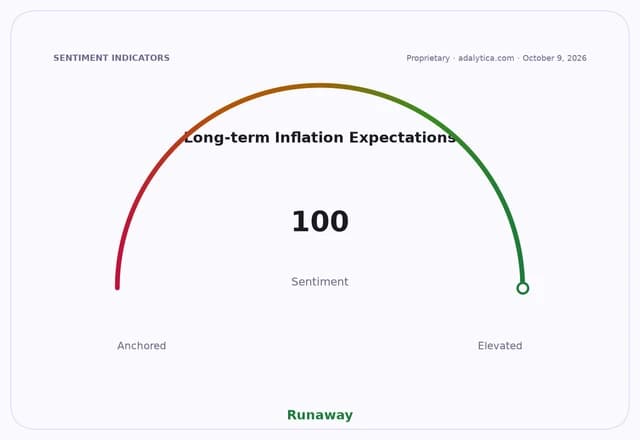
Sentiment IndicatorsⓘProprietary · adalytica.com · October 9, 2026
This is a snapshot — live sentiment, awareness and momentum for 130+ markets update continuously in the dashboard.Open AlphaPulse
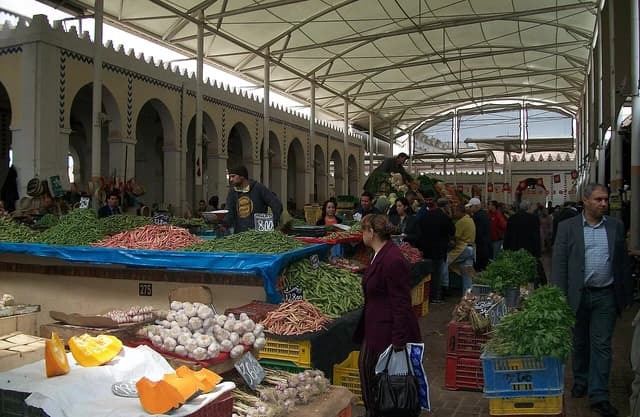
Food and beverages were the biggest driver, with prices rising 8.4% from 7.5% in August. Clothing and footwear climbed 9.2%, while education costs rose 5.5%, a particularly sensitive reading as families face back-to-school spending and higher tuition-related expenses.
Manufactured goods prices rose 4.8% on an annual basis, led by clothing and cleaning products, while services were up 4.2%, driven in part by a 14.7% jump in hotel services. That mix suggests inflation is no longer just a food story, but is broadening across essentials and discretionary spending.
The central bank kept its benchmark rate unchanged at 7% in late July, after reviewing inflation trends and broader financial risks. With price pressures now reaccelerating, policy makers may face renewed pressure to hold rates higher for longer, even as growth remains fragile.
The inflation pickup comes alongside a trade deficit of $6.8 billion in the first nine months of 2026, up about 22% from a year earlier, according to local commentary cited in the report. Higher energy imports and consumer goods purchases are worsening external imbalances, which can feed imported inflation through the dinar’s exchange rate and raise the cost of foreign-currency reserves.
Economists cited in the report said the problem is structural as much as cyclical, pointing to weak agricultural production, climate stress, shortages in basic goods and limited room for direct price controls. Wage increases planned under Tunisia’s 2026 budget, averaging 3.5% in 2026-2028, also lag inflation, leaving real incomes under pressure.
For investors, the message is that Tunisia’s macro backdrop is becoming less comfortable: persistent inflation, a wider external deficit and limited policy flexibility raise risks for domestic demand, sovereign financing and the currency outlook. The next catalyst is whether the central bank responds to the latest inflation data with a tighter stance or continues to prioritize growth support.
| Entity | Gains | Losses |
|---|---|---|
| Tunisian importers | ▲None | ▼Higher foreign-currency costs |
| Households | ▲None | ▼Purchasing power |
| Central bank | ▲Policy credibility if it acts | ▼Room to ease rates |
| Food and retailers | ▲Higher nominal sales | ▼Demand and margin pressure |