Zambia’s decision to withhold fresh Treasury funding from the Food Reserve Agency for next season is set to leave smallholder farmers without the country’s most reliable buyer of maize and soya beans, raising the risk of weaker farm incomes, slower rural activity and fresh pressure on an already stretched fiscal programme.
Zambia halts new Treasury funding for grain agency
Finance Minister Situmbeko Musokotwane said the government had overspent on this year’s strategic grain purchases after buying more maize than planned, lifting acquisitions beyond the original target of 500,000 metric tonnes. That spending helped build record food reserves after a harvest of about 4.9 million tonnes in the 2025/26 season, but it now means the FRA will enter the next marketing year without a new Treasury allocation.
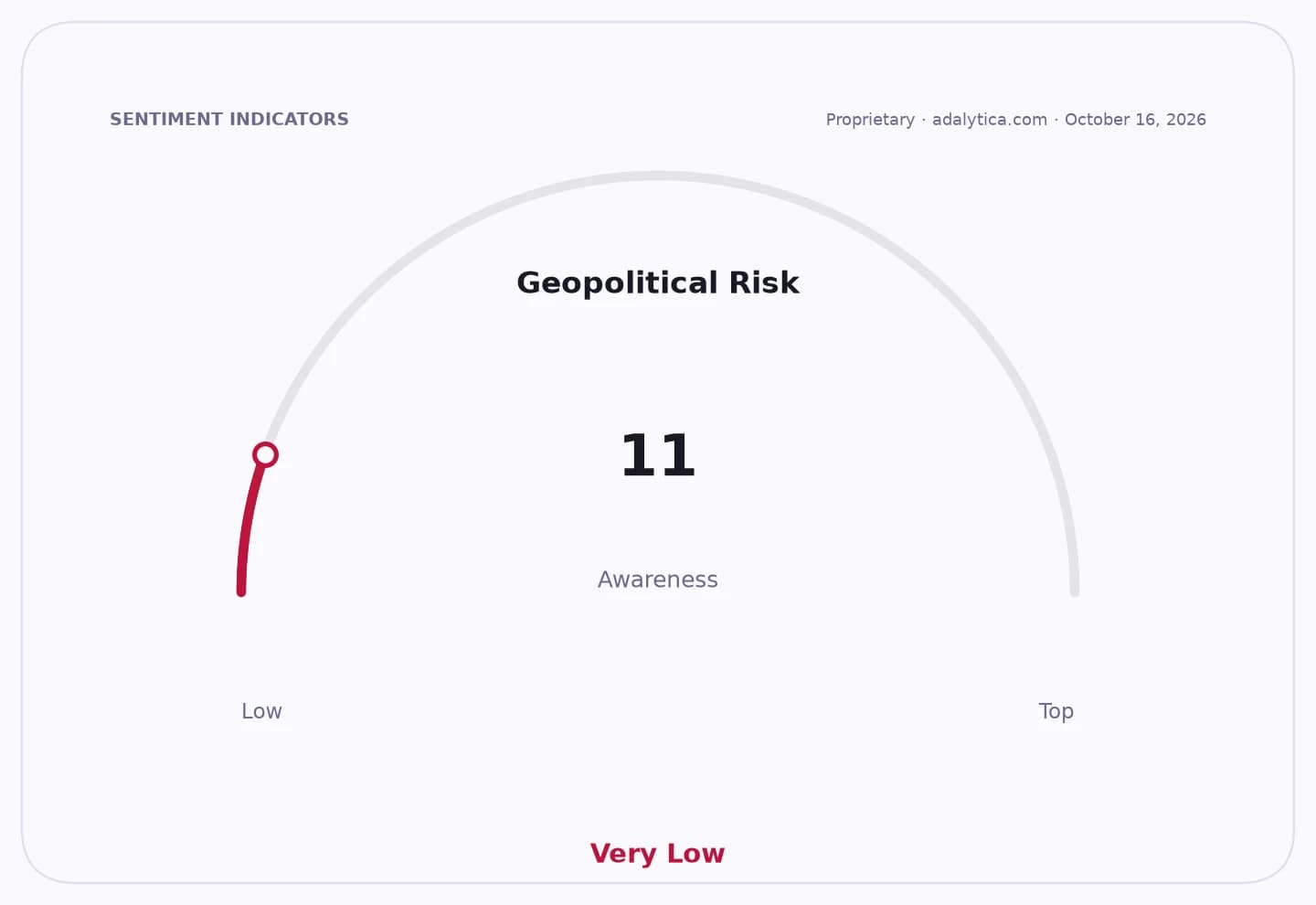
Sentiment IndicatorsⓘProprietary · adalytica.com · October 16, 2026
This is a snapshot — live sentiment, awareness and momentum for 130+ markets update continuously in the dashboard.Open AlphaPulse
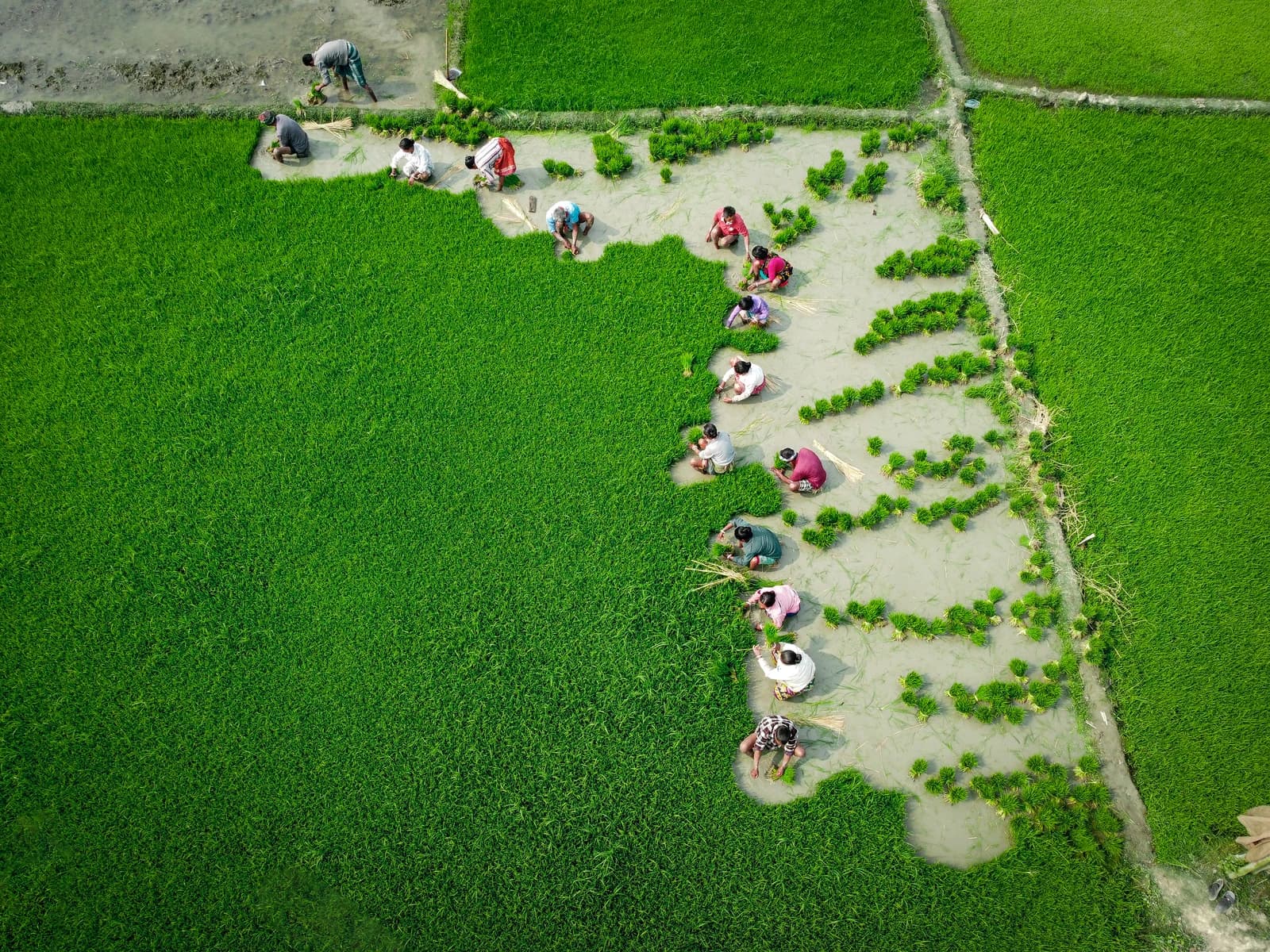
For farmers, the issue is not just budget arithmetic. The FRA has long acted as buyer of last resort, giving small-scale producers a predictable outlet at harvest time and helping support rural cash flow in a market where private off-takers are often thinner, slower or more selective. Removing that backstop could force more grain onto the open market, weaken farm-gate pricing and leave smaller growers with greater storage, transport and financing costs.
The macroeconomic trade-off is clearer. On one hand, the record reserve position should improve Zambia’s food security and reduce near-term vulnerability to weather shocks such as El Niño, which the Treasury has already flagged as a risk to growth projections for 2027 and 2028. On the other, the overspend underscores how politically and fiscally costly grain buying can become when the state tries to stabilise farm incomes and food stocks at the same time. The International Monetary Fund has already pointed to FRA purchases as a source of fiscal slippage, alongside weaker revenue collection, and is pressing for corrective action.
That makes the funding freeze relevant beyond agriculture. Zambia is finalising a new US$1.5 billion Extended Credit Facility with the IMF, due for executive board approval in December, and the FRA decision will be read in Washington as a signal that Lusaka is under pressure to tighten spending ahead of that vote. A cleaner fiscal stance may help the programme’s credibility, but it also risks exposing the political cost of stepping back from direct market support for farmers.
The announcement also cuts across President Hakainde Hichilema’s Grow Zambia agenda, which aims to double the size of the economy and push annual output to 10 million tonnes of maize, 3 million tonnes of soya beans and 1 million tonnes of wheat by 2031. Those targets depend on farmer confidence that there will be a buyer at harvest. Without that assurance, producers may cut planted area, scale back input purchases or shift toward crops with lower market risk.
Opposition parties have already seized on the move as evidence that the government is retreating from rural support just as input costs remain high. Fuel, power and fertiliser prices are still squeezing margins, and any break in the FRA’s role could hit the smallest farmers first, especially those far from commercial grain buyers or storage infrastructure.
For investors and creditors, the key question is whether Zambia can protect fiscal discipline without weakening agricultural supply chains. A more restrained FRA could ease budget pressure and improve the optics of IMF compliance. But if the policy reduces planting incentives, damages rural liquidity or forces the state to revisit ad hoc support later in the season, the fiscal benefit may prove temporary. The next test will come when farmers prepare for the rains and discover whether private buyers step in to fill the gap left by the state.
| Entity | Gains | Losses |
|---|---|---|
| Zambia Treasury | ▲Improves fiscal discipline | ▼Faces political backlash |
| IMF | ▲Stronger reform credibility | ▼Less room for spending slippage |
| Small-scale farmers | ▲None | ▼Lose guaranteed buyer |
| Private grain traders | ▲More market share | ▼Face higher supply risk |