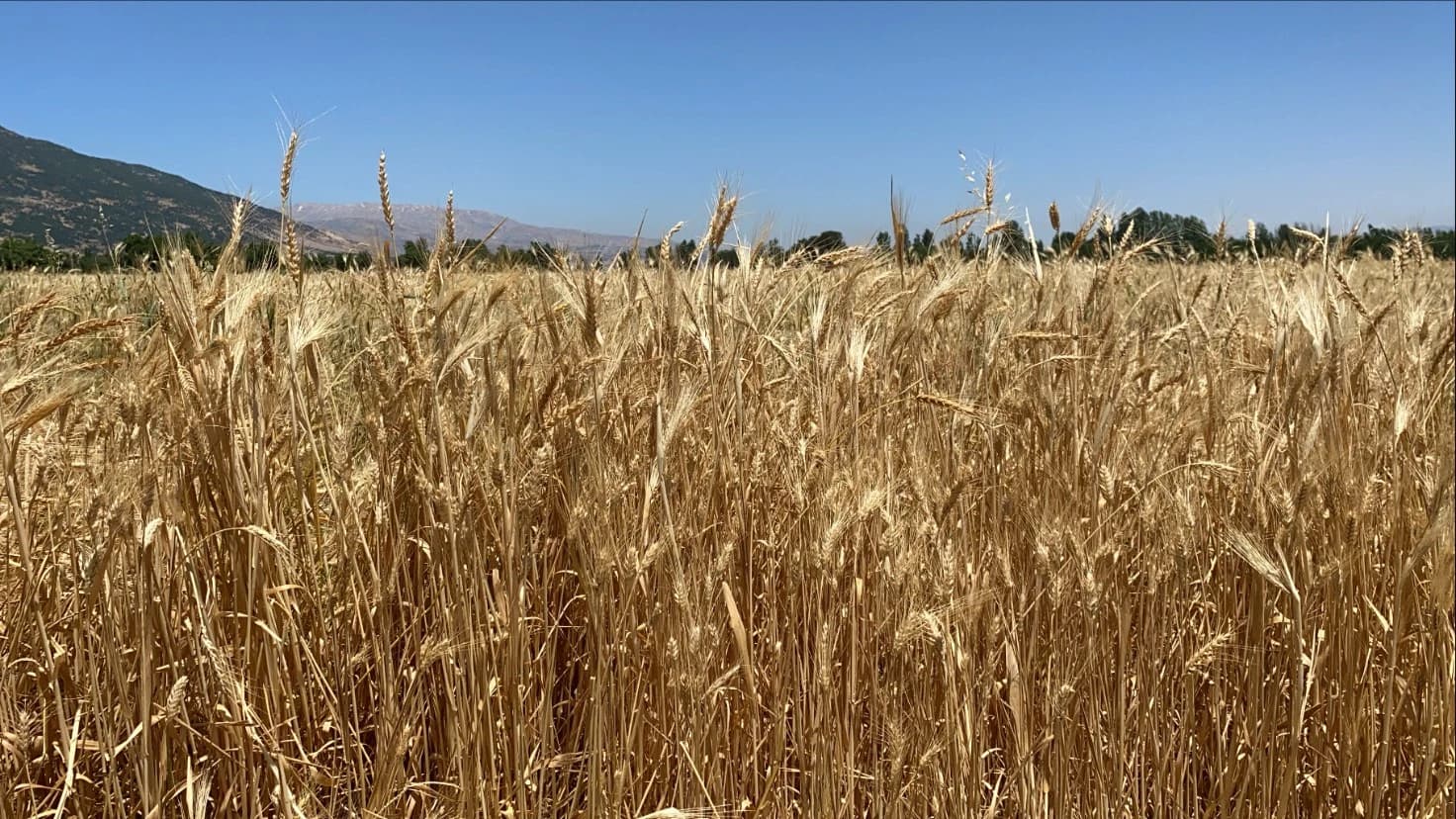
Cotton growers in the Central African Republic’s Ouham-Pendé and Lim-Pendé prefectures say delayed evacuation of harvests, unpaid arrears and a shortage of farm inputs are deepening a long-running collapse in one of the country’s key export crops.
Central African Republic cotton farmers face payment delays
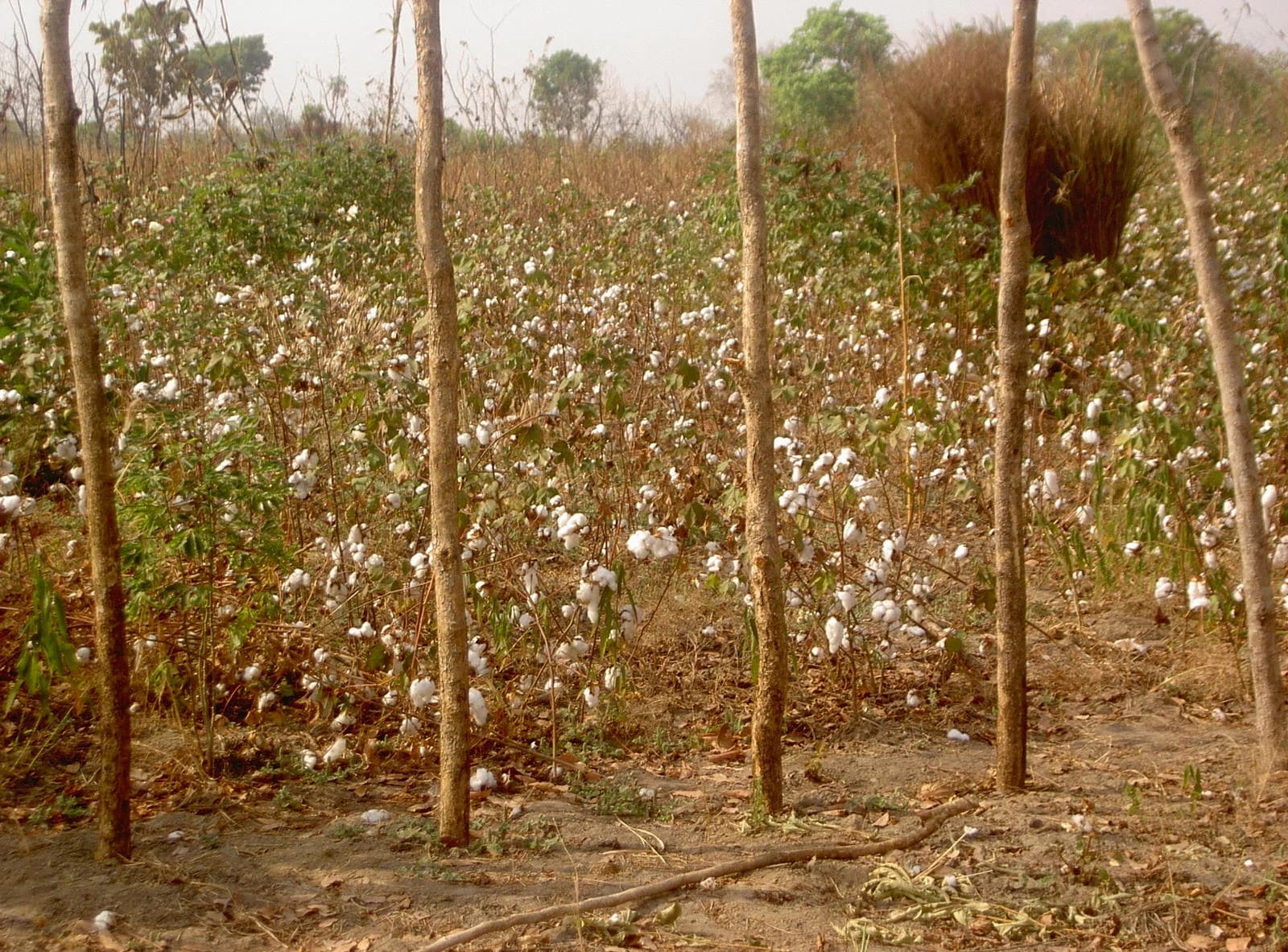
The problem matters because cotton remains one of the few cash crops capable of generating rural income and foreign exchange in a fragile economy that already leans heavily on aid and imports. When producers cannot move their crop or collect payment, the damage spreads beyond farms: households lose spending power, traders see less business and the state loses a channel of export revenue.
Sentiment IndicatorsⓘProprietary · adalytica.com · October 10, 2026
This is a snapshot — live sentiment, awareness and momentum for 130+ markets update continuously in the dashboard.Open AlphaPulse
Farmers in Kodi, Ngaoundaye and Ndim said about 50 metric tons of cotton from the 2024 and 2025 campaigns are still sitting in storage because it has not been evacuated. They also say they are owed more than 30 million CFA francs, or roughly $50,000, adding to cash-flow strain that has forced some to keep planting while falling behind on field maintenance.
Roger Blaise Kelian, a planter in Bozé 3 near Paoua, said farmers had not been paid for two consecutive harvests and were still expected to keep producing through 2026, while Louise Mbiou in Poulao 1 said the cotton income that once supported family needs was no longer arriving. Their complaints point to a familiar failure in commodity supply chains: production incentives evaporate when buyers cannot reliably collect, process and pay for output.
The local office of the national cotton agency, ONC, blamed producer demotivation and difficulties maintaining plots, saying some farmers are abandoning weeding and treatment after the first round of work. That raises the risk that yields will deteriorate further even if acreage is preserved, especially in a sector already weakened by more than two decades of decline.
For investors and policymakers, the immediate concern is not cotton prices but execution. A functioning cotton chain depends on fertilizer distribution, transport, ginning and prompt settlement. If any of those links breaks, farmgate output falls, rural incomes shrink and the economics of the crop worsen. The fact that growers are still waiting on old campaigns suggests the bottleneck is financial and logistical, not just agronomic.
The bearish case is that the sector continues to shrink, leaving the country with fewer export earnings and greater pressure on farmers to switch to subsistence crops. The more optimistic view is that a policy reset — better input support, arrears clearance and reliable evacuation — could stabilize production in the country’s northwestern cotton belt and preserve a strategic rural income source.
For now, the complaints from Ouham-Pendé and Lim-Pendé underline how fragile Central African Republic’s cotton revival remains, and how quickly one of its main cash crops can slide back into decline when state support falters.
| Entity | Gains | Losses |
|---|---|---|
| Cotton growers | ▲Better support, faster payments | ▼Delayed cash flow |
| ONC / authorities | ▲Sector stabilization | ▼Credibility if delays persist |
| Local traders and transporters | ▲More crop movement | ▼Idle logistics activity |
| Rural households | ▲Higher farm income | ▼Lower purchasing power |