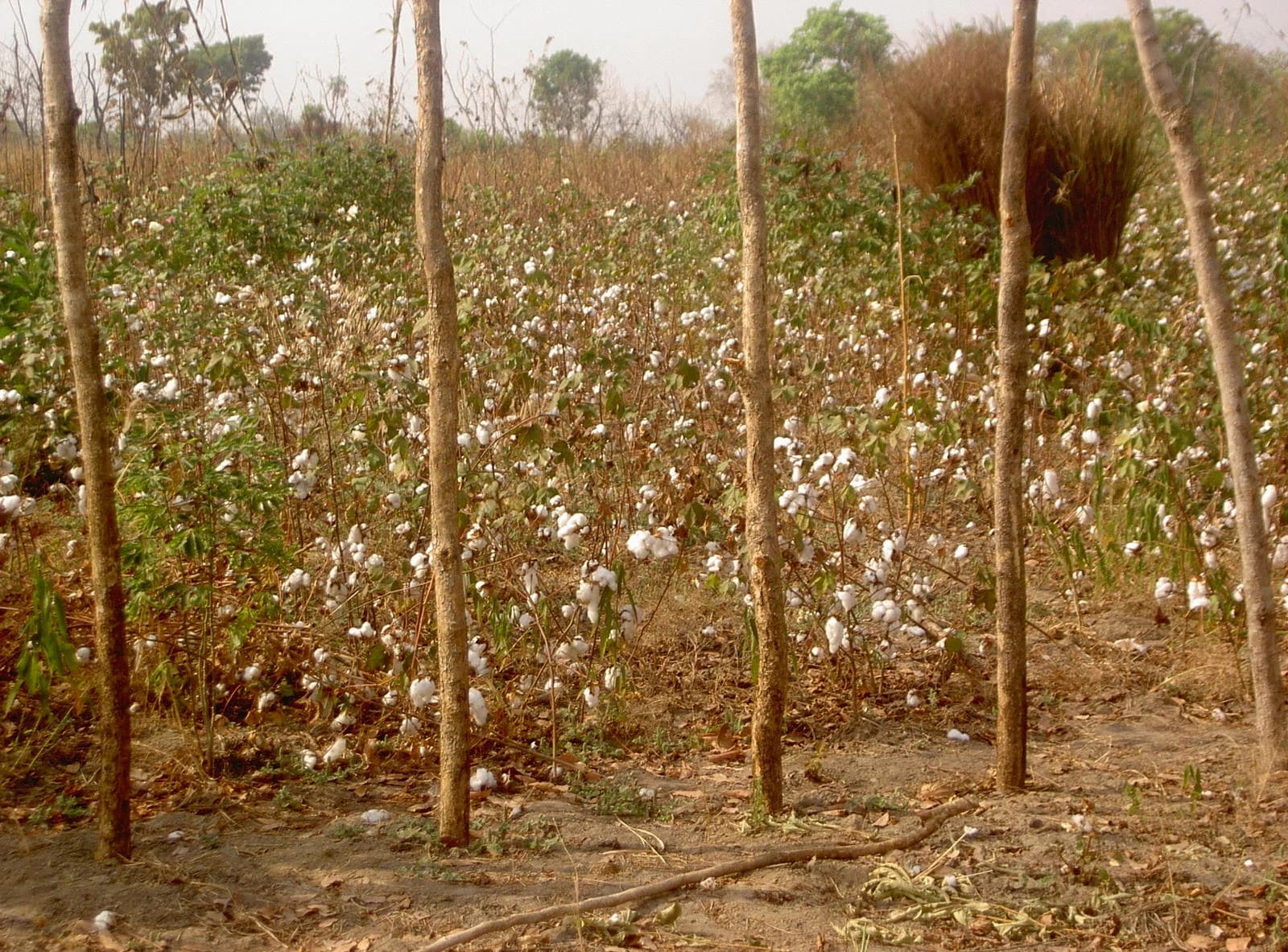
World Cotton Day is a reminder that Egypt’s real story is not just nostalgia for its famous long-staple fiber, but whether the country can turn a 202,000-acre planting base into a more profitable, export-ready cotton industry again.
Egypt cotton output rises on export push
That matters because cotton is still one of Egypt’s most recognizable agricultural brands, and one of the few crops where quality can command a premium if the rest of the chain works. The government’s push to improve seed varieties, raise yields, and modernize ginning, spinning and marketing is really a bid to capture more value at home instead of leaving the gains to foreign textile buyers.
Sentiment IndicatorsⓘProprietary · adalytica.com · October 8, 2026
This is a snapshot — live sentiment, awareness and momentum for 130+ markets update continuously in the dashboard.Open AlphaPulse
This season, Egypt says cotton is planted on about 202,000 feddans, with most acreage in the Nile Delta and an expected output of roughly 1.2 million kantars. Those are meaningful numbers for a crop that has long been tied to rural incomes, textile jobs and export receipts. But acreage alone will not restore the sector’s old shine. Investors should care about whether higher-quality output can translate into stronger processing margins, better export pricing and a more resilient domestic textile supply chain.
That is where the narrative gets important. Egyptian cotton still has a global brand advantage because of its long and extra-long staple fiber, which remains prized for premium fabrics. The challenge is that global cotton markets are unforgiving: climate pressure, pests, volatile prices and competition from cheaper growers can quickly erase that premium if productivity lags or supply chains stay fragmented. In other words, Egypt is not just trying to grow more cotton — it is trying to defend a niche where quality still matters enough to pay.
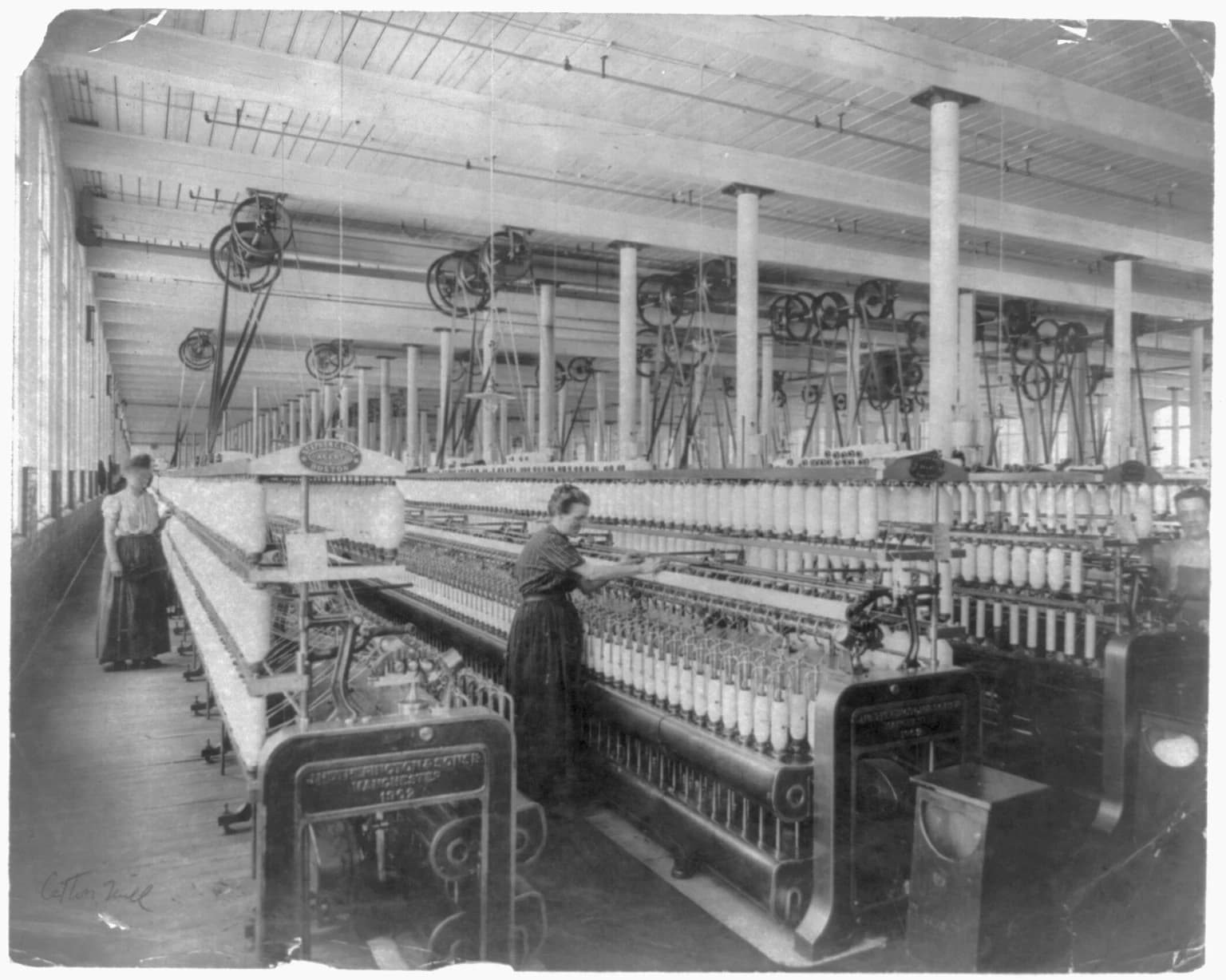
The wider economic payoff would go beyond farmers. A stronger cotton ecosystem supports ginning, spinning, weaving, apparel and export logistics, all of which can add jobs and foreign-currency earnings. That is especially relevant in a world where consumer demand is still uneven and the dollar remains important for commodity exporters. Adalytica’s U.S. dollar trade signal is sitting at a neutral 57 sentiment score with elevated awareness, while consumer spending sentiment is softer, suggesting buyers remain cautious even as market attention stays high. For Egyptian exporters, that makes premium positioning and reliable supply even more valuable.
For long-term investors, the real takeaway is simple: Egypt’s cotton revival will be judged less by ceremony than by execution. If the country can lift yields, deepen domestic processing and keep its premium fiber reputation intact, “white gold” can become a steadier contributor to growth and exports. If not, it risks remaining a celebrated brand with too little economic heft. Either way, this is a story worth watching for anyone interested in agribusiness, textiles and emerging-market trade.
| Entity | Gains | Losses |
|---|---|---|
| Egyptian farmers | ▲Higher income potential | ▼Weather and price risk |
| Textile processors | ▲Better local fiber supply | ▼Need capital investment |
| Exporters of premium cotton | ▲Stronger brand pricing | ▼Commodity competition |
| Low-cost cotton rivals | ▲— | ▼Egypt’s quality-led strategy |