Illegal herbicide-tolerant Bt cotton has spread to roughly a quarter to nearly a third of India’s cotton acreage, raising fresh questions about seed enforcement, farm economics and the outlook for legal GMO-dependent suppliers.
India illegal HTBt cotton spreads across acreage
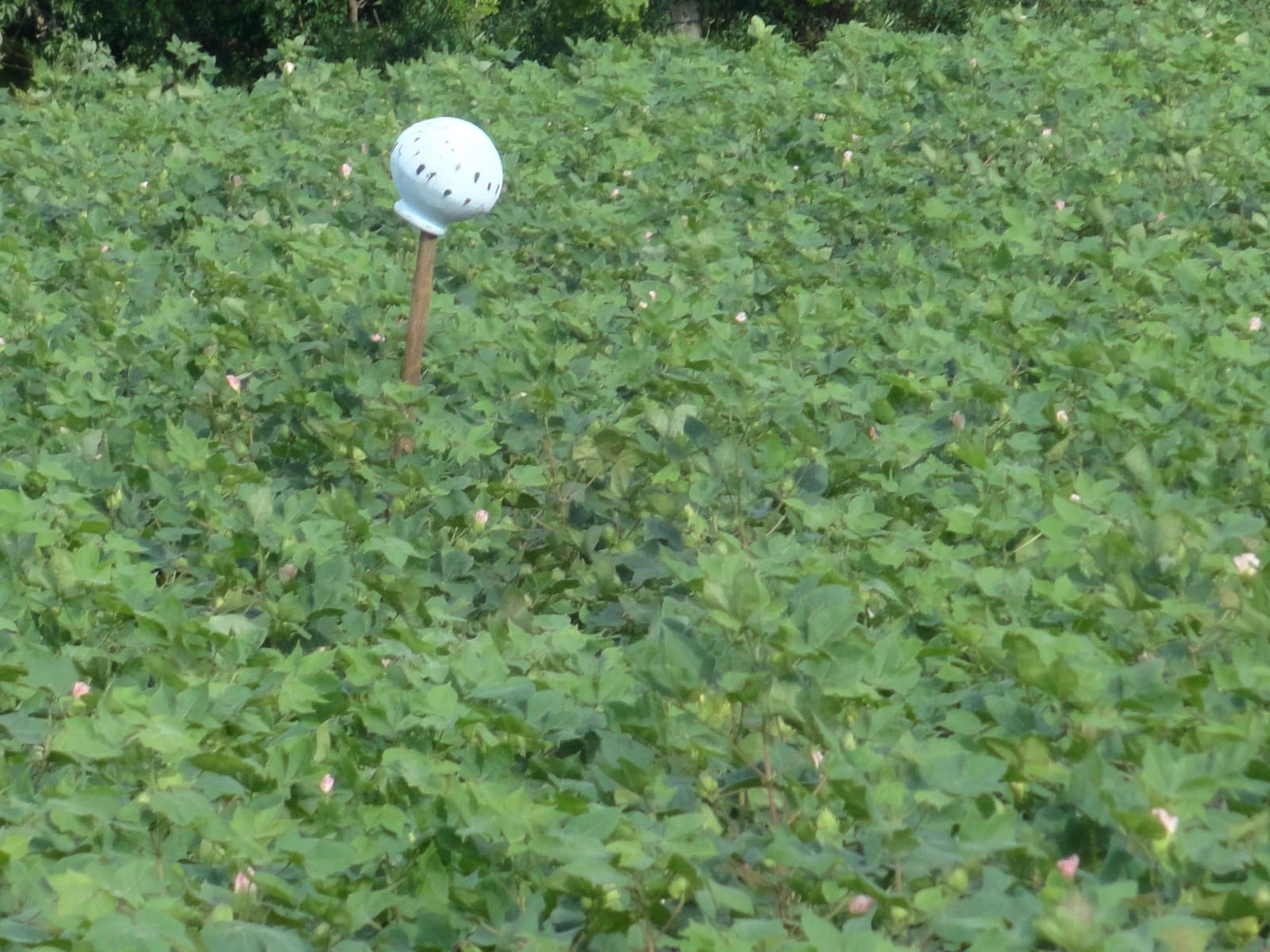
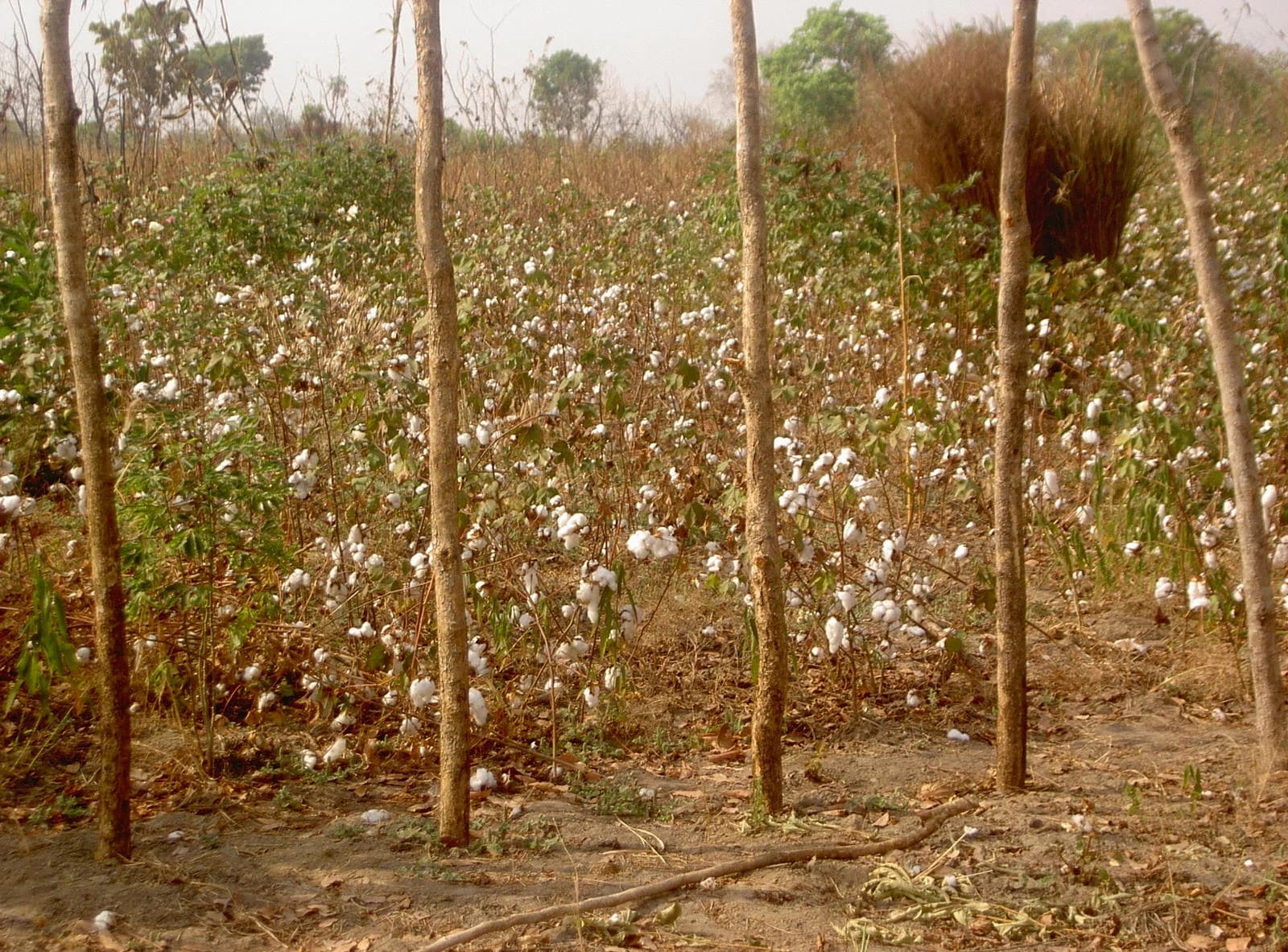
A study carried out across 16 cotton-growing districts in four states found unauthorized HTBt cotton was planted on about 24% to 30% of India’s total cotton area in the 2025-26 kharif season. That makes the illegal seed segment too large to dismiss as a fringe issue and suggests farmers are adopting the trait despite the regulatory ban because it lowers labor costs and simplifies weed control.
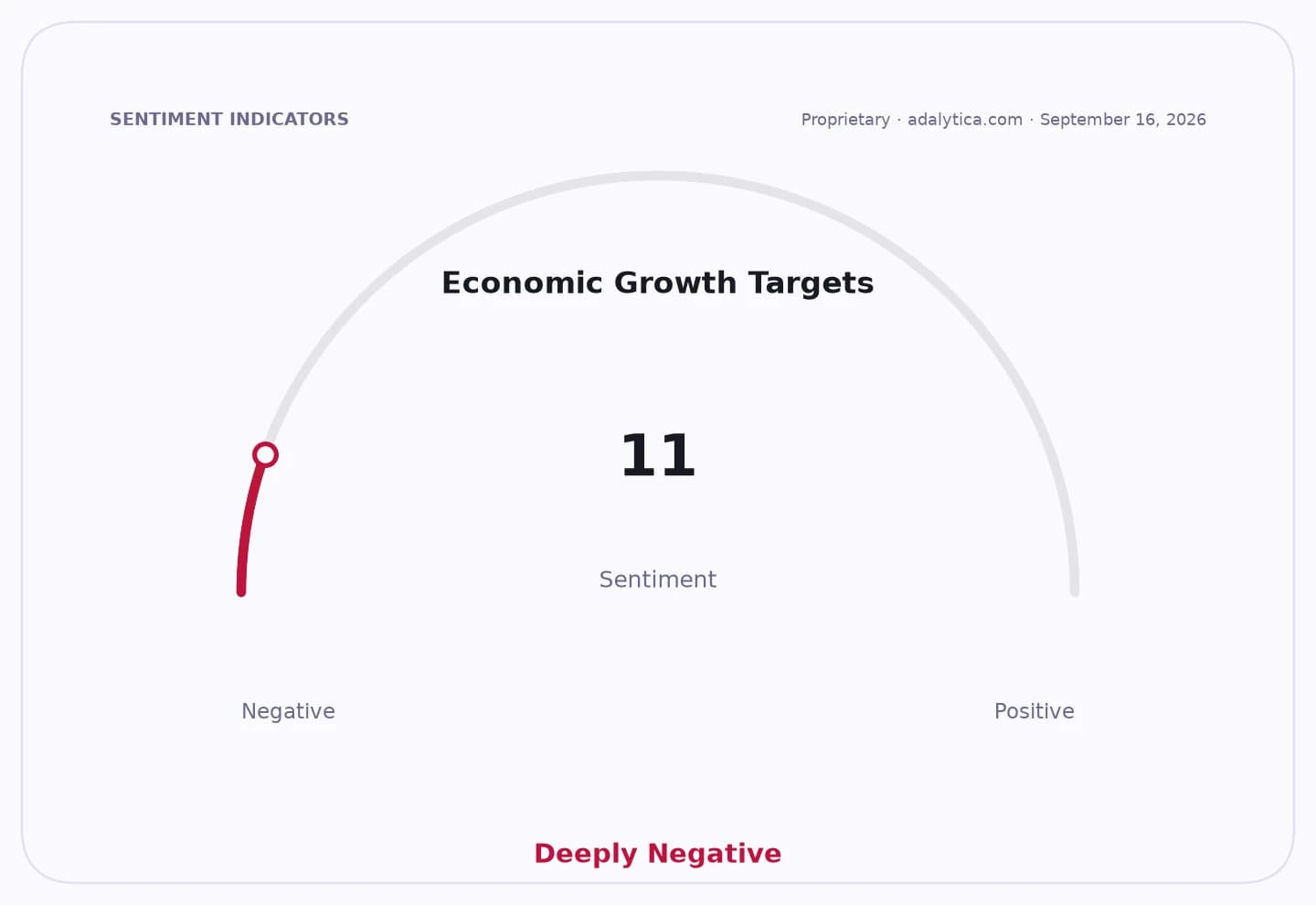
Sentiment IndicatorsⓘProprietary · adalytica.com · October 9, 2026
This is a snapshot — live sentiment, awareness and momentum for 130+ markets update continuously in the dashboard.Open AlphaPulse
For India’s cotton economy, the findings point to a widening gap between policy and field reality. Cotton growers are under pressure from labor shortages, rising weed-management costs and volatile farm incomes, all of which make herbicide-tolerant varieties attractive even when they are not approved. The result is a shadow market that can distort seed pricing, erode the value of compliant products and complicate government efforts to control genetically modified crops.
The development matters for investors because it speaks directly to the commercial environment around crop protection, cotton seed genetics and agricultural input enforcement in one of the world’s largest cotton markets. Illegal adoption can weaken the pricing power of legal seed providers while benefiting farmers in the short term through lower weeding costs. It also raises the risk of tougher scrutiny from Indian regulators and legal uncertainty for companies with exposure to cotton germplasm, trait licensing and crop protection.
The issue carries broader supply-chain implications as well. India is a major cotton producer and an important market for both domestic and multinational agricultural-input companies. If illegal HTBt cotton continues to spread, authorities may face pressure to tighten monitoring, which could trigger raids, seed seizures or sharper restrictions that would ripple through the sector.
Shares of agriculture-input names such as Corteva and Archer-Daniels-Midland were not directly tied to the study, but the report underscores how policy enforcement in India can affect the commercial prospects of seed and crop-protection businesses with global exposure. Corteva recently completed corporate restructuring steps that include separation agreements and supply arrangements, while ADM remains exposed to broader agricultural commodity and input trends.
The key question now is whether Indian authorities respond with stronger enforcement or accept that illegal HTBt cotton has become embedded in the market. Any move to crack down would be a risk for growers relying on the seed, while a weaker response could deepen the gray market and keep pressure on legal seed suppliers.
| Entity | Gains | Losses |
|---|---|---|
| Indian cotton farmers using HTBt seed | ▲Lower weed-control costs | ▼Exposure to enforcement risk |
| Illegal seed sellers | ▲Higher demand | ▼Regulatory crackdowns |
| Legal seed companies | ▲Potential long-term enforcement clarity | ▼Lost pricing power, market share |
| Regulators | ▲Stronger case for oversight | ▼Credibility if rules go unenforced |