A widening squeeze on agriculture in Lebanon’s Baalbek-Hermel region is turning a local hardship into a broader economic warning, as farmers say border closures are blocking exports, input costs are eroding margins and municipalities are too cash-strapped to fill the gap.
Lebanon Baalbek-Hermel agriculture under border strain
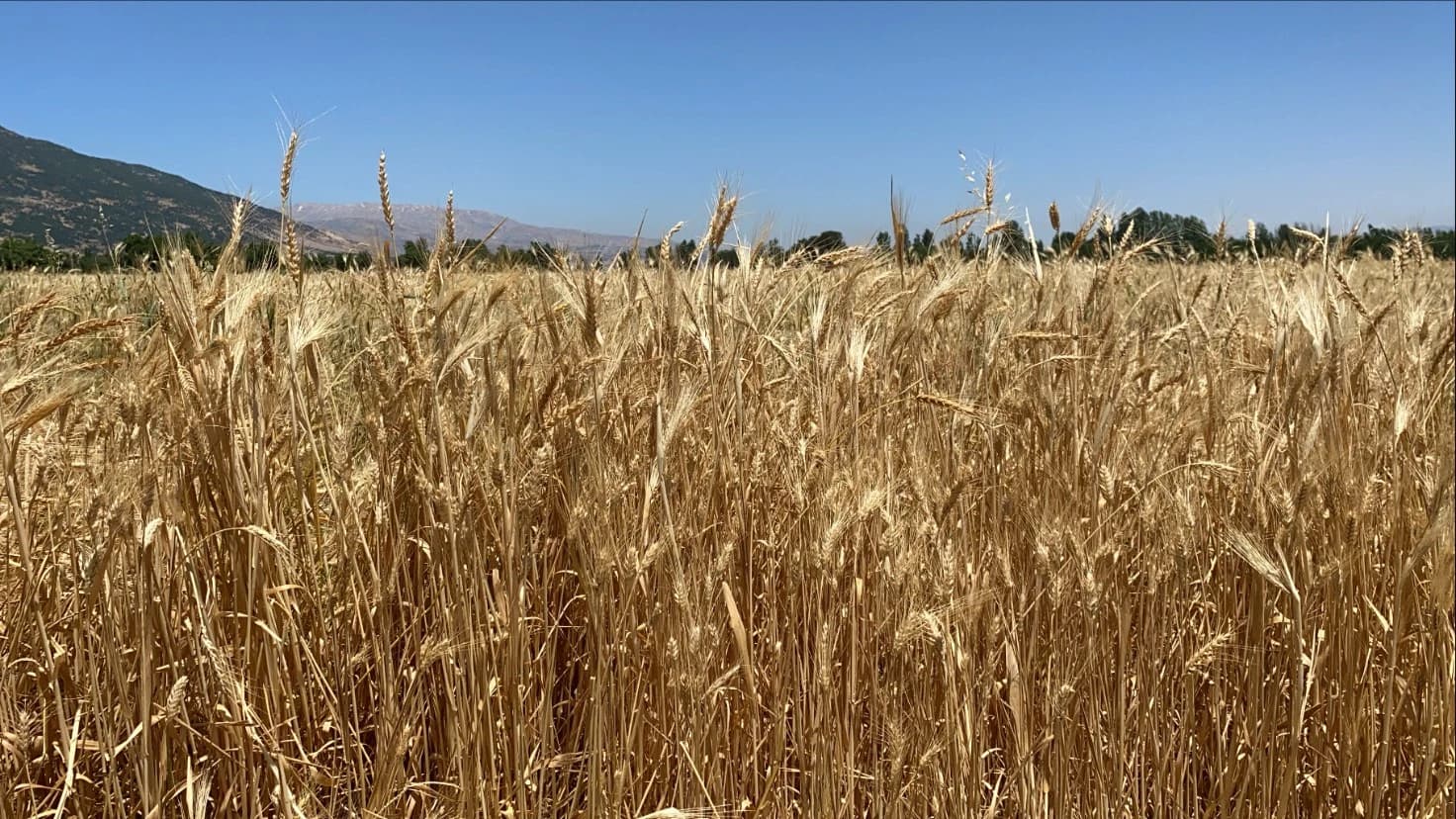
For one potato grower in Majdaloun, the damage is already visible in the field. Amin Mustafa says it now costs more than $1,000 to plant a dunam of potatoes, once fertilizer, diesel and irrigation are included, while local sale prices are below production cost. The result is a season in which more than half of his crop’s value has been wiped out. His complaint captures a deeper structural problem: an agricultural economy that depends on trade channels, energy and basic state support, all of which have deteriorated at once.
Sentiment IndicatorsⓘProprietary · adalytica.com · September 29, 2026
This is a snapshot — live sentiment, awareness and momentum for 130+ markets update continuously in the dashboard.Open AlphaPulse
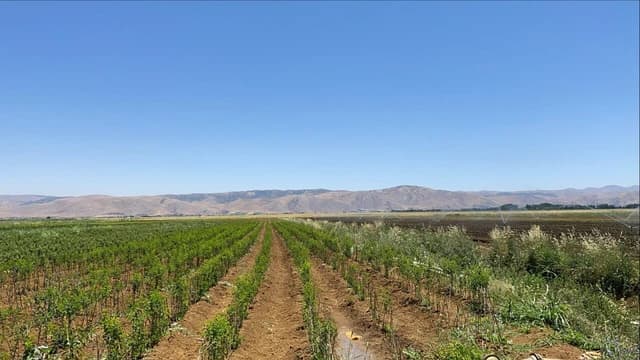
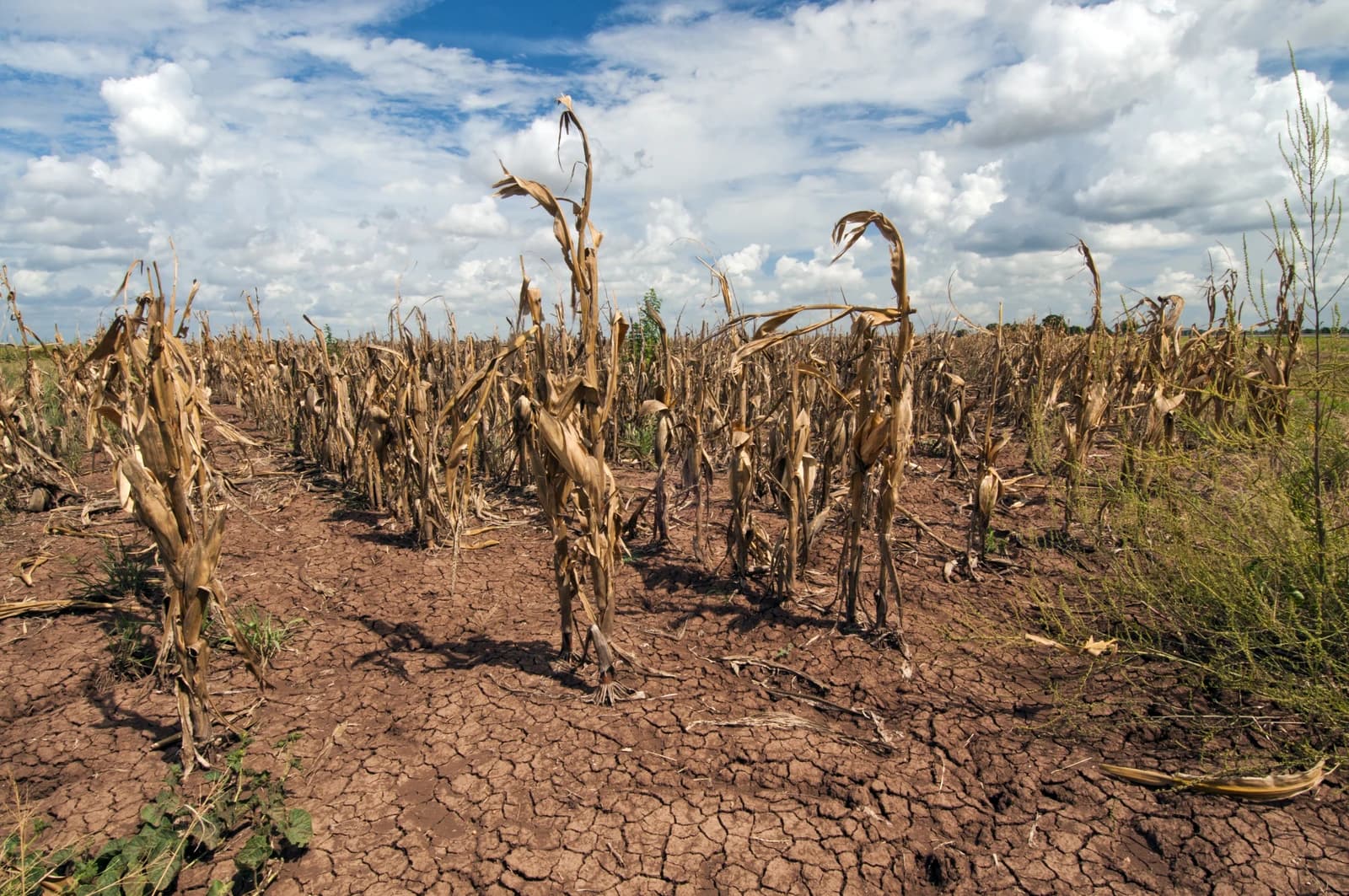
The stakes go well beyond individual farms. George Hanna Fakhry, secretary-general of Lebanon’s agricultural unions, says cultivated areas in the plain have fallen by more than 40% this year versus previous years, as higher energy prices and the absence of government support force growers either to leave land idle or take on more debt. He said the industry needs protection for domestic production and tighter control of smuggling routes that flood local markets with cheaper goods. In a region where agriculture supports more than 65% of households, a drop in planted area is not just an earnings problem; it is a jobs problem, a food-supply problem and, increasingly, a stability problem.
The pressure is spilling into municipal finances as well. Local officials say subsidies from the Independent Municipal Fund have lost more than 90% of their real value, leaving councils able to do little beyond garbage collection and pumping abandoned water wells. That matters economically because municipal governments are often the only public institutions left to keep rural infrastructure functioning. When their budgets no longer cover diesel, spare parts or basic maintenance, the effects are immediate: poorer water access, weaker local services and less support for productive activity. In a district already facing youth unemployment above 55%, according to local activist and researcher Zeinab Youssef, the result is a further push toward internal migration or risky emigration.
The story also carries a geopolitical edge. Security forces have increased their presence along the border to close illegal crossings, but local leaders argue that enforcement alone will not stabilize the area unless legal export routes are reopened and alternative livelihoods are created. That is the central narrative in Baalbek-Hermel: the border is being tightened in the name of order, but the economic cost is falling on farmers and municipalities that are already operating at the edge. If exports stay constrained and input costs remain elevated, the region’s agricultural base will keep shrinking, and with it the local tax base, labor market and social cohesion.
For investors and policy watchers, the lesson is that Lebanon’s rural economy is deteriorating not from one shock but from a combination of closed trade channels, inflation in energy-intensive inputs and public-sector paralysis. There is no obvious market trade here, but the broader implication is clear: the longer the blockade on formal commerce persists, the more economic activity shifts into informal channels, and the harder it becomes for lawful producers to survive.
The near-term catalyst is whether the state can deliver even limited relief — through export access, fuel availability, anti-smuggling enforcement that does not further choke trade, or emergency municipal funding. Without that, Baalbek-Hermel risks becoming a case study in how border pressure and fiscal collapse reinforce each other.
| Entity | Gains | Losses |
|---|---|---|
| Smugglers and informal traders | ▲Cheaper arbitrage | ▼Formal producers |
| Local farmers | ▲None | ▼Crop margins, planted land |
| Municipalities | ▲Limited authority | ▼Operating budgets |
| Border enforcement | ▲Tighter control | ▼Rural commerce |