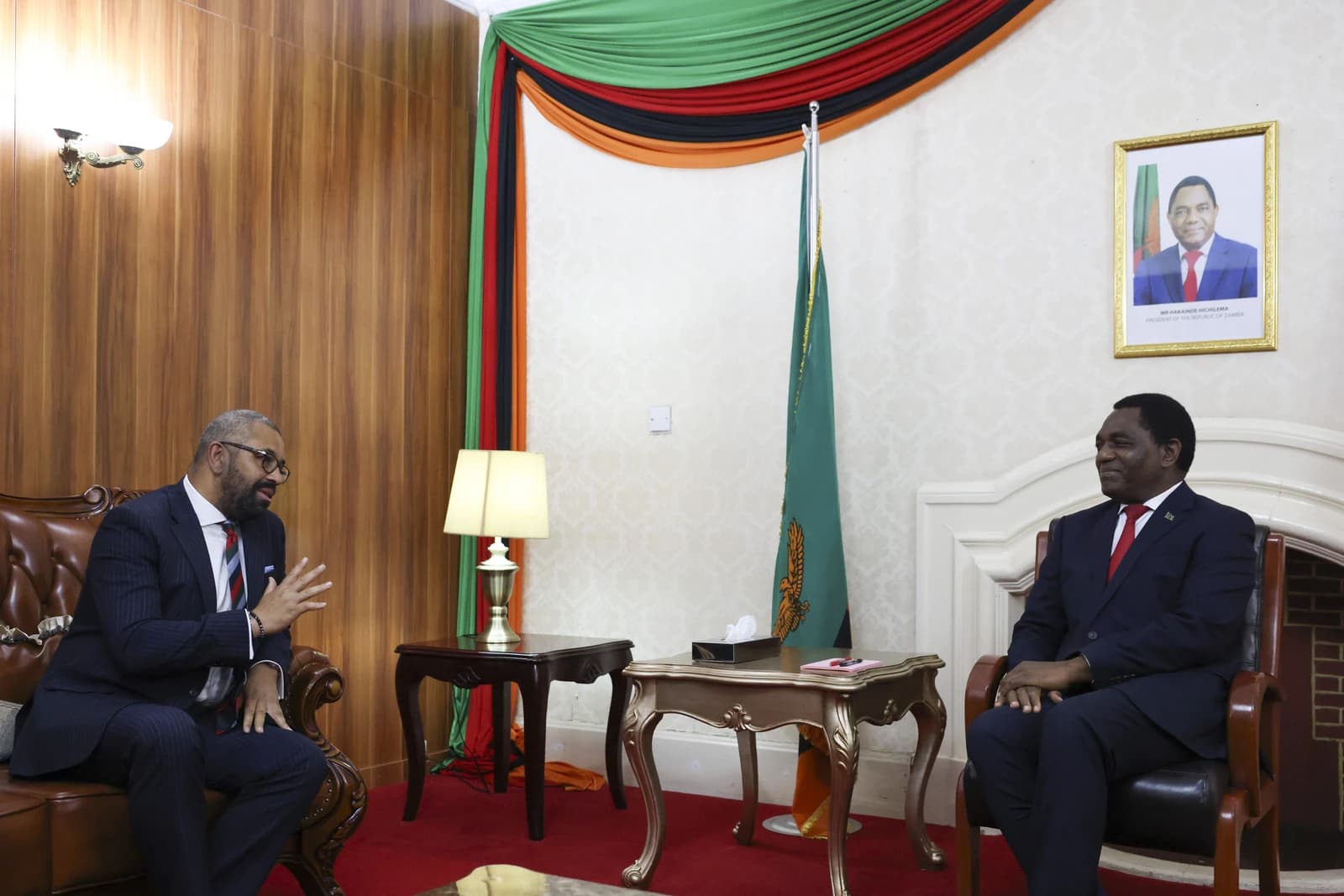
President Hakainde Hichilema said Zambia will raise treasury revenue to widen social protection coverage, a fiscal pivot that puts welfare spending, pension reform and public service delivery at the centre of his administration’s next phase.
Zambia to Raise Revenue for Social Protection Expansion
The pledge matters because social transfers have become a key pressure point in one of southern Africa’s most indebted and poverty-burdened economies. Expanding the Social Cash Transfer programme, broadening pension coverage and paying retirement benefits on time will require a steadier revenue base at a moment when governments across the region are struggling to balance election promises, debt servicing and fragile growth. For investors, the question is whether Lusaka can lift domestic collections enough to fund higher recurrent spending without widening deficits or undermining macro stability.
Hichilema said the plan would be delivered through the “Grow Zambia” agenda, linking welfare expansion to higher state revenue rather than more borrowing. That framing is important for creditors and rating-sensitive investors because it suggests the government is trying to make social spending more durable, not merely discretionary. If successful, it could support household consumption at the bottom of the income scale and reduce pressure from rising living costs. If not, it risks becoming another unfunded commitment in a budget already constrained by infrastructure needs, public-sector wages and debt obligations.
The president also said the government would improve the management of social-security schemes to boost efficiency, accountability and long-term sustainability. That points to an effort to fix chronic weaknesses in fund administration and payment reliability, especially in pensions, where delayed or inadequate disbursements can quickly become a political and social liability. Better governance of these schemes would help preserve trust in the system and could improve the flow of contributions if formal employment expands.
Beyond welfare, Hichilema cast the broader fiscal and administrative agenda as one of state capacity. He pointed to an enhanced K40 million Constituency Development Fund, more decentralisation, digitalisation and innovation, and additional services moving onto ZamPortal and the Government Service Bus. The government is also promising to cut administrative barriers, strengthen local authorities and improve the regulatory climate for business and investment. Taken together, the message is that social protection is being tied to a wider push for efficiency, transparency and growth.
The anti-corruption pledge is part of the same economic narrative. Hichilema said there would be “no sacred cows” in the fight against corruption, signalling that better revenue collection and tighter spending oversight are meant to go hand in hand. For investors, that is the crucial linkage: higher social spending is easier to sustain if leakages fall and the tax base broadens. The credibility of that effort will shape everything from sovereign financing costs to confidence in public-sector execution.
The near-term test will be whether Zambia can turn the political promise of broader protection into a budget that is both affordable and administratively credible. If treasury revenues rise meaningfully, the government may gain room to support vulnerable households without destabilising the fiscal outlook. If they do not, pressure will mount on Lusaka to choose between deeper welfare commitments and tighter spending discipline.
| Entity | Gains | Losses |
|---|---|---|
| Low-income households | ▲Bigger cash transfers | ▼Policy delays |
| Pensioners | ▲Better benefits, timely payments | ▼Bureaucratic inefficiency |
| Government | ▲Broader political support | ▼Fiscal strain |
| Taxpayers and investors | ▲More accountable spending if reforms work | ▼Higher deficit risk |