Nigeria’s next fiscal challenge is less about finding new revenue than proving that public money is being spent well enough to justify it.
Nigeria open books plan targets local government spending
That is the central argument behind a growing push to move the country away from allocation-driven budgeting toward outcome-based accountability, as heavy debt-service costs and persistently wide deficits leave every naira with more economic weight.
The IMF estimated that interest payments absorbed about 53% of federal revenue in 2025, with the consolidated government deficit at 4.4% of GDP, and sees the gap widening to about 4.7% in 2026. Against that backdrop, the issue is no longer whether the state spends, but whether it can show a return on that spending in schools, hospitals, roads and security.
The case for stricter discipline is economic as much as political. When borrowing funds productive assets such as power grids, transport links or irrigation systems, debt can expand future capacity and support growth. When it finances weak recurrent outlays, it crowds out investment and leaves fewer resources for development. That trade-off is becoming more severe as debt service consumes a larger share of revenue.
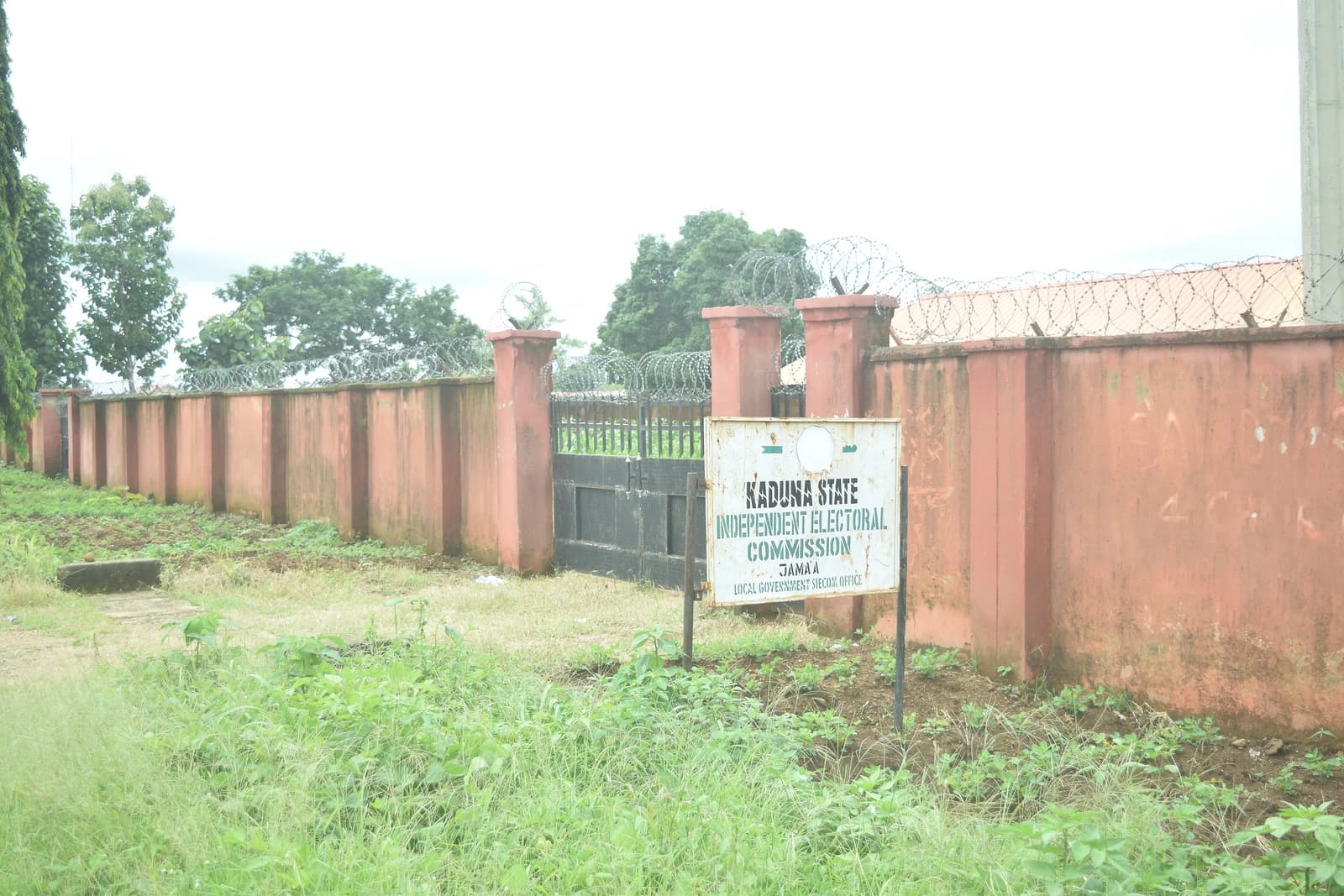
The policy response now being framed around Prince Adewole Adebayo’s “open books” proposal is built on that reality. His blueprint calls for Nigeria’s 774 local governments to publish quarterly data on revenues and expenditures — including statutory allocations, internally generated revenue, grants, contracts and capital spending — on a public digital platform. It also envisages citizen tools to track projects, file complaints and access performance information.
For investors and lenders, the significance is straightforward: greater transparency can lower policy uncertainty, improve governance signals and make it harder for funds to disappear between appropriation and implementation. For citizens, it could help answer the basic question that has long undercut trust in Nigerian public finance — what was promised, what was released, what was delivered and who benefited.
The bigger economic promise is that transparency becomes a form of fiscal policy when it improves expenditure efficiency. Nigeria does not only need more revenue mobilisation, as the IMF has argued. It needs a system that can protect social spending while cutting waste, sharpen procurement and make borrowing more credible by tying it to measurable outcomes.
That said, publication alone will not be enough. If local governments release unreadable spreadsheets or if complaints go nowhere, digital transparency risks becoming ceremony rather than accountability. The decisive issue is enforcement — whether published data leads to investigations, sanctions and better project delivery.
Adebayo’s broader governing model, with quarterly milestones and public dashboards, fits that logic, but it also raises the burden of proof. Targets can be gamed and dashboards can be decorative unless there is independent verification. For a country where trust in institutions is thin and fiscal space is tight, the political value of measurable government will depend on whether it can move accountability from speeches to evidence.
For markets, the immediate implication is not a sudden fiscal turn but a clearer contest over credibility. If Nigeria can pair tougher budget discipline with visible results, it strengthens the case for sustainable borrowing and more efficient public spending. If not, the debt burden, weak service delivery and public scepticism will continue to reinforce one another.
| Entity | Gains | Losses |
|---|---|---|
| Citizens | ▲clearer service delivery | ▼opaque spending |
| Investors | ▲better governance signals | ▼policy uncertainty |
| Government reformers | ▲stronger accountability tools | ▼room for waste |
| Wasteful contractors | ▲less discretion | ▼greater scrutiny |