Russia’s construction ministry and central bank are moving to make it easier for buyers to turn installment plans into mortgages, a small but economically meaningful fix for a housing market under pressure from high borrowing costs.
Russia eases installment-to-mortgage conversion
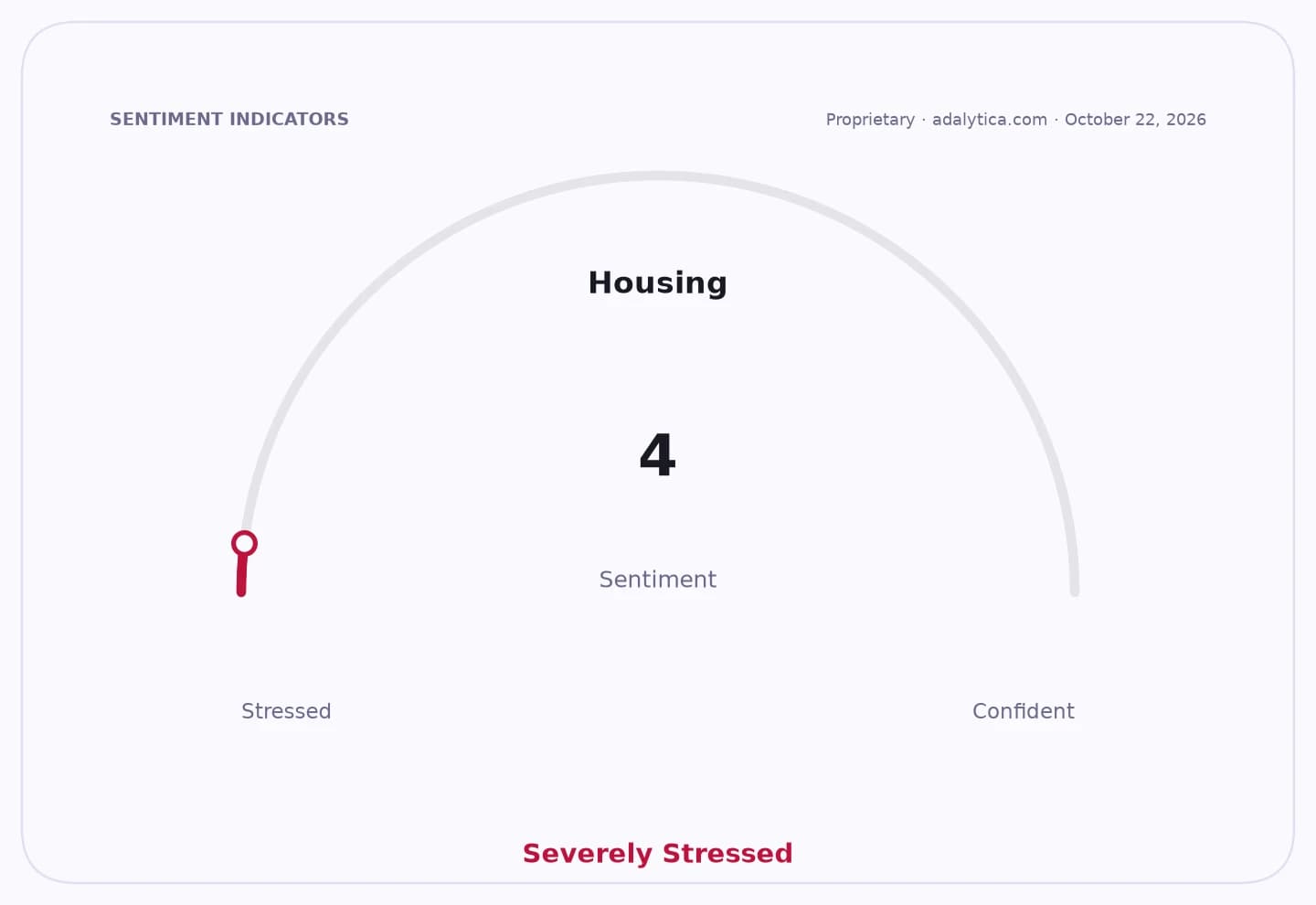
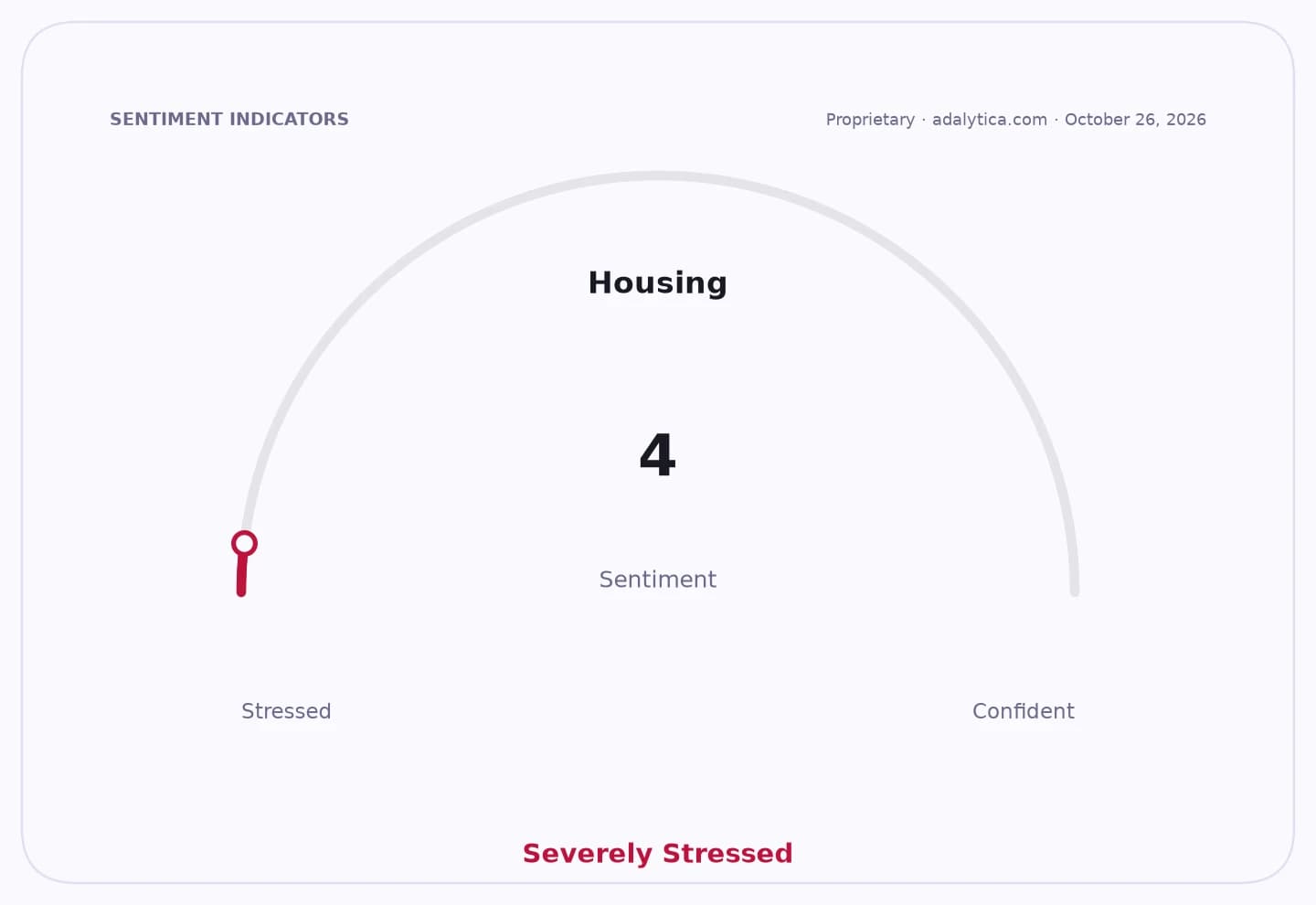
Housing
The change matters because it targets one of the most fragile links in the property market: the handoff from short-term developer financing to long-term mortgage debt. When rates are elevated, buyers are more likely to stall, developers face slower cash collection, and the housing sector loses momentum just when it is supposed to help support growth. Easing that transition could keep deals alive, stabilize demand for new homes and reduce stress on builders that have relied heavily on installment schemes to move inventory.
Sentiment Indicators
That is especially relevant with interest rates still punishingly high. Russia’s benchmark 10-year government yield has hovered around 5%, a level that keeps mortgage pricing tight and financing costs elevated across the economy. At the same time, broad money growth has continued, suggesting liquidity is not the main problem; affordability is. In that environment, any policy that smooths access to home loans can have an outsized effect on transaction volumes and on the health of the construction industry.
Investors should pay attention because housing is not just a consumer story — it is a credit story. Easier conversion from installment plans to mortgages can support lenders, developers and mortgage specialists by preserving sales pipelines and reducing default risk. Rocket Companies and United Wholesale Mortgage have shown how sensitive mortgage-related stocks can be to rate shifts and financing conditions, while mortgage REITs such as Annaly Capital Management tend to benefit when funding markets stabilize and borrowers remain active. If the policy translates into steadier home demand, those businesses could see less volatility in origination and cash flow.
The broader backdrop argues for caution, though not pessimism. Housing and rent inflation sentiment remains deeply depressed in the Adalytica HOURE gauge, which points to persistent strain on affordability and borrower confidence. That fits with reports of rising mortgage delinquencies in comparable markets, where households are already under pressure from interest costs. Policymakers are trying to avoid a situation where higher rates freeze the housing market entirely, leaving developers with unsold units and buyers locked out.
For long-term investors, the key question is not whether this one measure will transform the market overnight. It will not. But if it is part of a broader effort to keep housing transactions flowing and support credit quality, it could help the sector avoid a harder landing. That makes the policy worth watching, especially for investors exposed to builders, banks and mortgage finance.
| Entity | Gains | Losses |
|---|---|---|
| Homebuyers | ▲Easier path to financing | ▼Less room to delay payments |
| Developers | ▲Faster sales conversion | ▼Less dependence on installment financing |
| Mortgage lenders | ▲More loan volume | ▼Tighter pricing pressure |
| Existing borrowers | ▲More refinancing options | ▼Higher scrutiny from lenders |