Saving for an apartment without taking on a mortgage is becoming more of a regulated financial strategy than a household shortcut, as Russia prepares a dedicated housing deposit product that could reshape how buyers assemble a down payment.
Russia Plans Housing Deposits for Down Payments

The most important change is the planned launch of targeted housing deposits from Jan. 1, 2027, just as the state makes subsidized home loans harder to access. Under the new framework, families that want the benefit of a 6% mortgage for one or two children will need either a 50% down payment or to repay half the loan within the first year, while the wider 2026 tightening of family- mortgage rules has already shut off common “donor” schemes and narrowed eligibility to households with at least one child under seven.
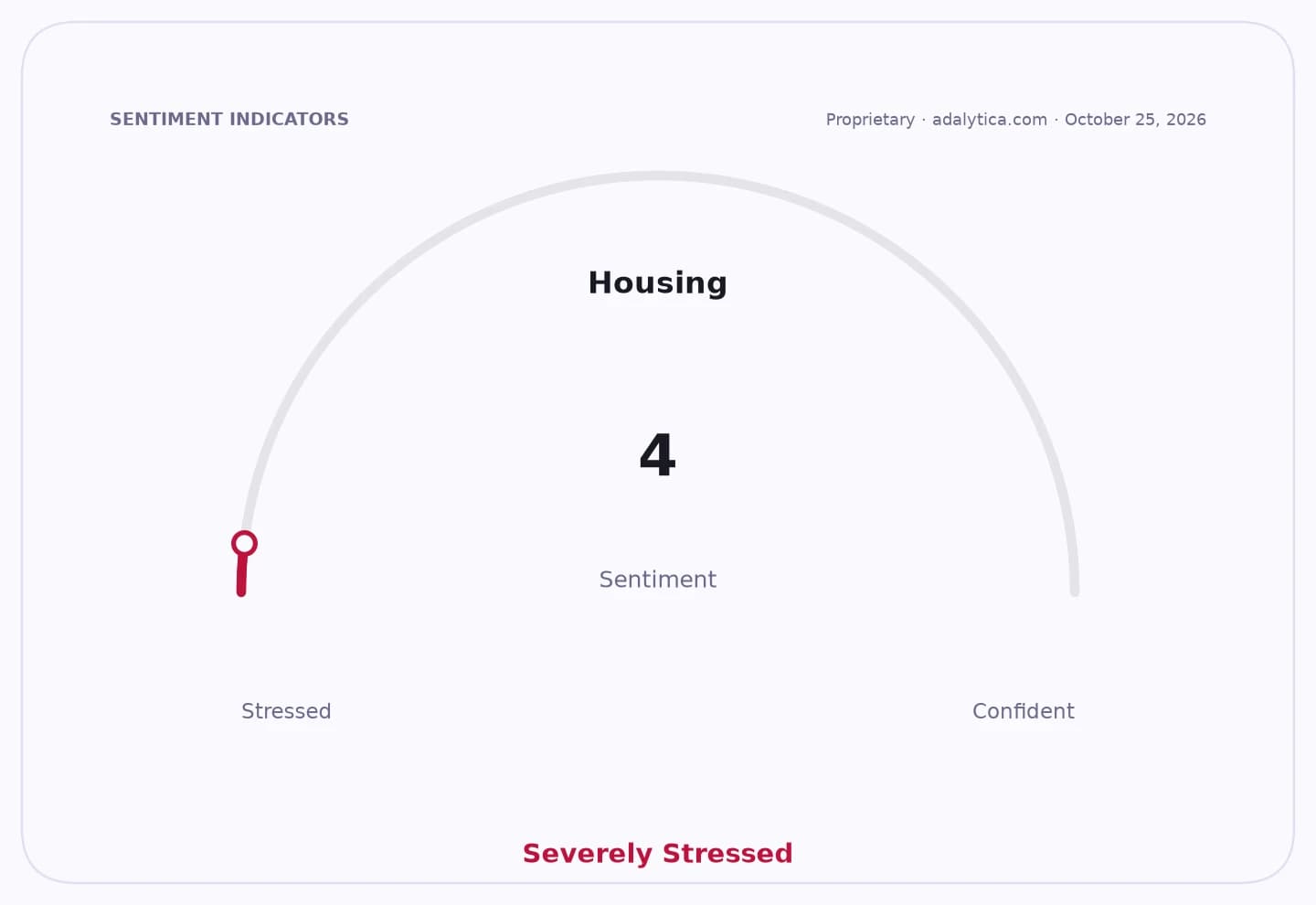
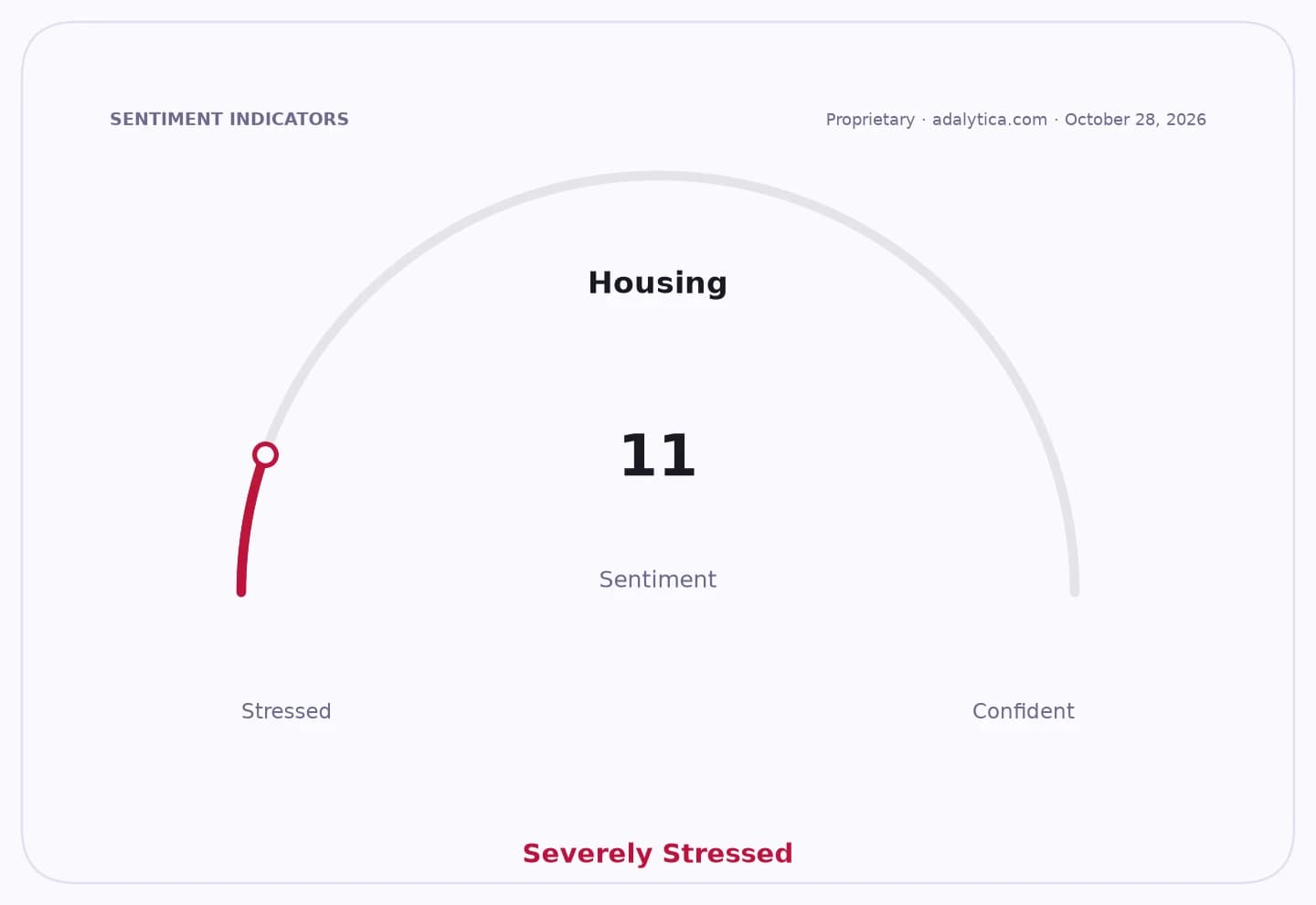
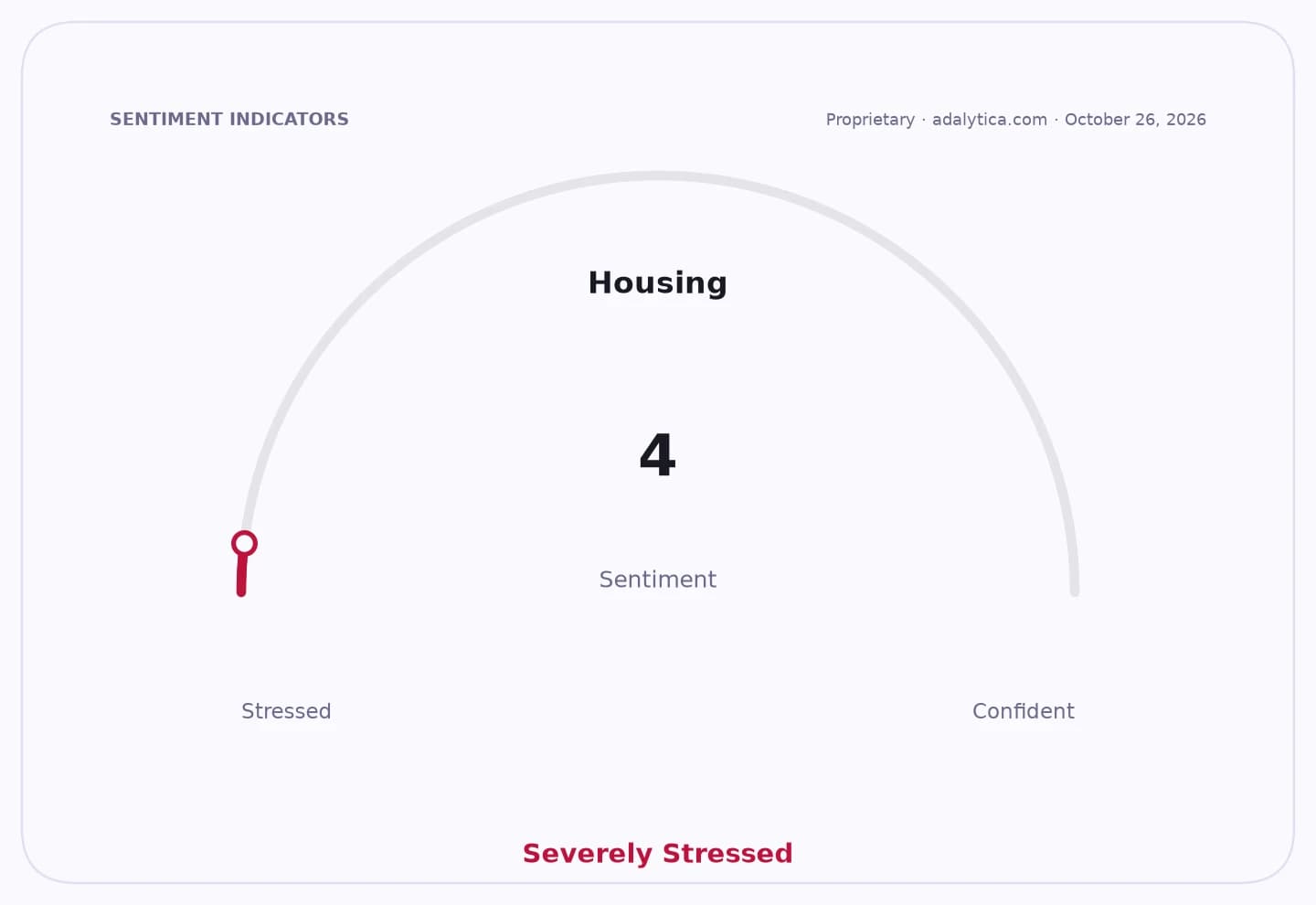
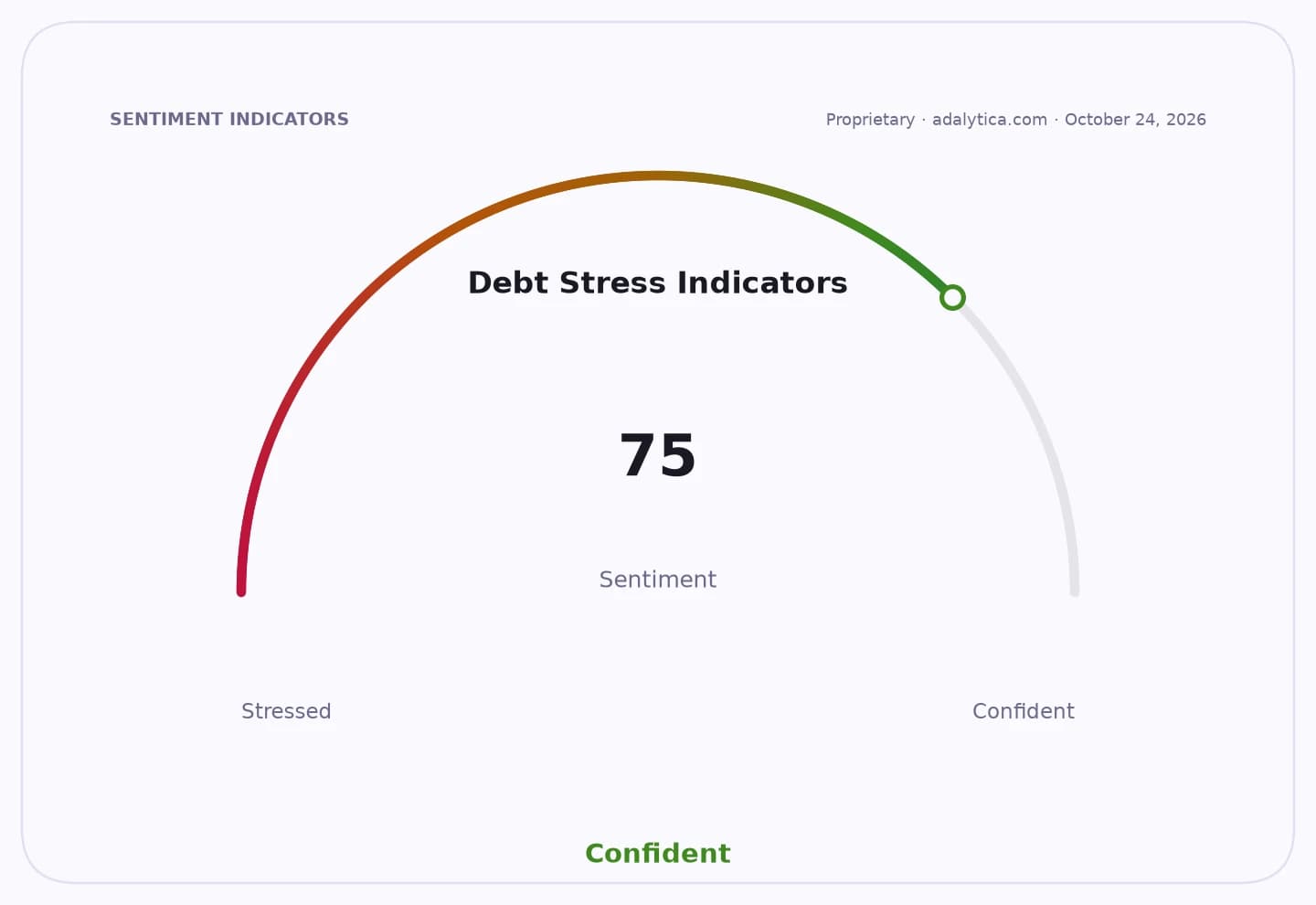
Sentiment Indicators
That shift matters because it moves the bottleneck in housing finance from the loan to the savings phase. For many households, the real obstacle is no longer finding a subsidized rate, but accumulating enough equity to qualify for one. In that context, the proposed housing deposit is designed to turn regular saving into a state-supported bridge to ownership, with money ring-fenced for housing purposes and insured up to 10 million rubles, far above the 1.4 million-ruble protection on standard deposits.
For banks, the product could create a more stable source of retail funding and a captive pool of future mortgage customers. For borrowers, it offers a way to keep earning interest while building a down payment, with the added feature that some interest can still be preserved even if the contract ends early, provided the funds are ultimately used for housing. But the economics are not straightforward: targeted deposits are likely to pay less than short-term time deposits, and the benefit only works for disciplined savers willing to commit for at least several years.
The broader policy backdrop is a housing market still struggling with affordability. Consumer prices remain elevated and the housing construction cycle is soft, while long-term affordability is being pushed not just by financing rules but by the underlying cost of homes. That is why policymakers are increasingly pairing tighter mortgage access with savings incentives and, in parallel, leaning more heavily on long-term rental solutions and denser urban development.
For investors, the message is that housing demand is not disappearing; it is being repriced and redirected. Mortgage lenders may face a smaller immediate pool of eligible borrowers, but banks with strong deposit franchises and housing-linked products could gain. Real estate investment trusts and rental landlords may also benefit if ownership becomes harder to reach and more households rent for longer. Homebuilders, by contrast, could face a more gradual conversion of demand into purchases, even as the policy intent remains to keep housing demand intact over time.
The key risk is execution. The new deposits will only matter if banks offer attractive rates, borrowers trust the fine print, and the product is simple enough to use. Even then, the scheme does not guarantee mortgage approval or substitute for credit quality. In practice, Russia’s housing policy is shifting from subsidizing the loan to subsidizing the savings discipline needed to get there.
| Entity | Gains | Losses |
|---|---|---|
| Households saving for down payments | ▲Higher insured savings; housing earmark | ▼Lower flexibility; longer lock-up |
| Banks | ▲Sticky deposits; future mortgage leads | ▼Higher product complexity; rate pressure |
| Homebuyers relying on easy subsidies | ▲Clearer savings route | ▼Harder mortgage access |
| Homebuilders and landlords | ▲More gradual, durable demand | ▼Faster homeownership conversion |